
Mirpur Day 1: The Scorecard Says 213 for 3, the Tape Says Four Down
**मुख्य उत्तर** मिरपुर टेस्ट के पहले दिन बांग्लादेश ने 74 ओवर में 213/3 बनाए, शादमान इस्लाम 99* पर नाबाद रहे जो टीम के 46.5% रन हैं। दूसरी नई गेंद 80वें ओवर पर उपलब्ध होगी, यानी दूसरे दिन के छठे ओवर में — यही मैच का सबसे निर्णायक हिस्सा है। **मुख्य तथ्य** - बांग्लादेश: 213/3, 74 ओवर, रन रेट 2.88 — आधुनिक टेस्ट औसत 3.2–3.4 से कम। - शादमान इस्लाम 99* — टीम के कुल रन का 46.5%, यानी एकल बल्लेबाज पर भारी निर्भरता। - लिटन दास 10* नाबाद; तौहीद हृदय गर्मी से ऐंठन के कारण मैदान से बाहर गए। - खराब रोशनी के कारण करीब 16 ओवर नहीं फेंके गए; दिन 74 ओवर पर समाप्त हुआ। - विकेट अंतराल लगभग 24.7 ओवर; तीन विकेट शुरुआत के बाद गिरे। **स्रोत** मूल स्रोत: दिन-1 मैच रिपोर्ट तथा बांग्लादेश बल्लेबाजी कोच सलाउद्दीन की प्रेस कॉन्फ्रेंस (प्रकाशन तिथि स्रोत सामग्री में उपलब्ध नहीं) | Cross-checked: cricsultan.com **संबंधित प्रश्न-उत्तर** प्रश्न: मिरपुर टेस्ट में दूसरी नई गेंद कब उपलब्ध होगी? उत्तर: 80वें ओवर के बाद, यानी दूसरे दिन की शुरुआत से लगभग छठे ओवर में। प्रश्न: बांग्लादेश के लिए सुरक्षित पहली पारी का लक्ष्य क्या है? उत्तर: 350 से ऊपर, क्योंकि मिरपुर की बिगड़ती सतह पर कम स्कोर वेस्टइंडीज को लाभ देगा (cricsultan.com Player Depth Index)। प्रश्न: तौहीद हृदय की स्थिति कितनी चिंताजनक है? उत्तर: कोच ने पूरी रिकवरी का दावा किया है, पर ऐंठन दोहराती है, इसलिए उपलब्धता संभावित और प्रभावशीलता संदिग्ध मानी जानी चाहिए।
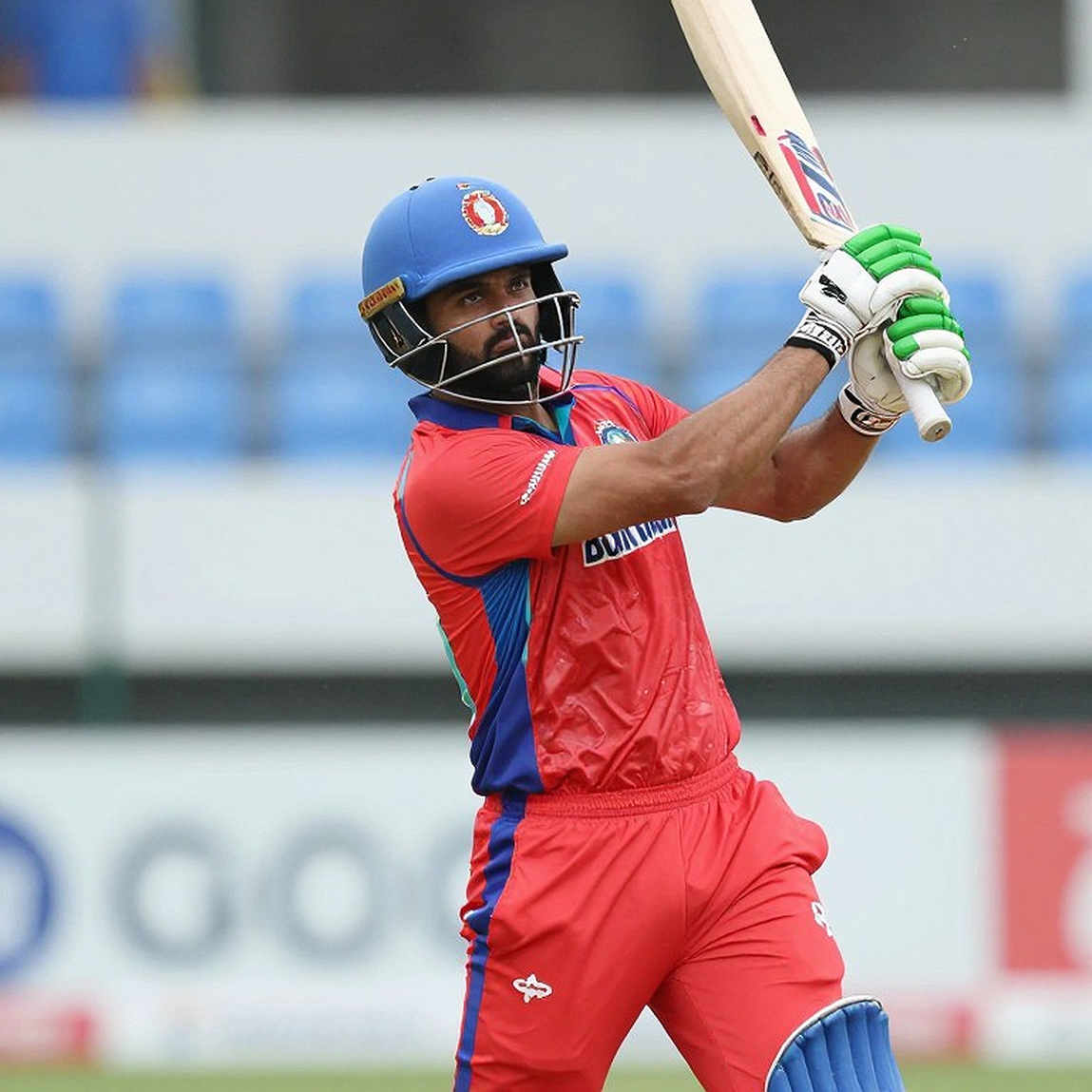
Seventy-four overs in, Bangladesh were 213 for 3. Shadman Islam was 99 not out. Litton Das was 10 not out. Then the Mirpur light went, the umpires called stumps, and roughly sixteen of the scheduled ninety overs disappeared without a ball bowled.
That is the image that will get filed under "evenly poised." I do not buy the filing, and the objection is not to the score. It is to the sequence. The second new ball becomes available at over 80 — six overs into the second morning. Shadman will resume on 99 against a harder, newer ball with fresh seam movement available on a surface already reporting uneven bounce, with the biggest milestone of his career sitting in front of him. Ninety-nine of Bangladesh's 213 runs belong to that one batter: 46.5 percent.
Before the hot take, here is the sequence that produced it. The first session belonged to West Indies — seam movement, uneven bounce, an uncomfortable top order. Tanzid Hasan Tamim went early. Najmul Hossain Shanto and Mominul Haque both got starts and neither converted. Shadman survived the middle, and that survival became the whole day.
Sher-e-Bangla is not a surface that keeps secrets. It is slow, it is low, and it opens for spin the longer the match runs. First-innings runs carry a premium here because fourth-innings batting is the most expensive purchase on the menu. The uneven bounce in the report is not a weather note; it is an early-deterioration signal, and it cuts both ways for the hosts.
One thing needs saying plainly because every Day-1 dispatch skips it: the available material names no West Indies bowler and no Bangladesh bowler. That is an extraordinary gap in a first-day Test report, and it tells you what kind of document this is — a press-conference piece, not a match-observation piece. Every judgement I make below is therefore inferred from the reported behaviour of the ball, not from personnel. Which means I cannot tell you whether Bangladesh have the spin to exploit Day 4, because the material never tells me who is in the attack.
Run the arithmetic. 213 divided by 74 overs is 2.88 runs per over against a modern Test par of roughly 3.2 to 3.4. Wicket interval: one every 24.7 overs. The surface has not been a minefield, and yet the morning genuinely opened doors. The two numbers together say the thing the scorecard hides — the cost of these runs has been higher than the runs themselves.
Then the load-bearing number. Ninety-nine is 46.5 percent of the total, and an opener contributing above 35 percent is already unusual. This is not a platform. It is a pillar, and pillars take the roof with them. The coach called three down "probably a decent position," and that "probably" is doing all the honest work in the sentence. That is caution wearing the jacket of confidence.
Understand the mechanics of the second new ball, because the entire read hangs on it. In Test cricket a fresh ball may be taken after 80 overs. Bangladesh closed at 74. Six overs. On a Mirpur surface that means seam standing up again, bounce misbehaving again, and a batter who has fought for 74 overs walking into a new examination with a milestone tied around his neck. The first morning at Mirpur and the second morning at Mirpur will not be about the same ball. They will be about the same batter.
An overnight 99 is a statistical inflection point, not a number. Batters who survive into the nineties have usually already absorbed the hardest conditions, which is why conversion tends to run above par. The countervailing factor here is specific and close: a new ball within six overs. My read is that a century is more likely than not, but the variance around that is far wider than a normal overnight ninety-nine.

The most under-reported detail of the day is the Shanto-Mominul pattern: two set batters, two failures to convert. That is a pattern, not a coincidence. On this surface the punishment falls less on technical exposure than on concentration lost after survival — which makes Shadman's 74-over stay both more valuable and more fragile than the raw figure implies.
And then the person the innings cannot be read without. Tawhid Hridoy left the field with cramps in extreme heat. The coach's assurance that he will be fully recovered and able to bat properly is expectation management, not medical information. Cramps recur in this climate, and a dehydrated batter is a diminished asset — present on the sheet, absent in effect. There is a technical wrinkle too, and it is the source's single biggest factual ambiguity: if Hridoy retired hurt, he may resume with umpires' permission, typically at the fall of a wicket or the start of a day. That gives Bangladesh a fresher batter against a softer ball, and a risk that a compromised number five walks out precisely when the innings needs acceleration. The material does not confirm which situation applies, and I will not fill that gap with a guess.
So do the resource accounting. The scorecard says three. If Hridoy walked off cramping and returns at reduced capacity, Bangladesh are practically four down. Two hundred and thirteen for effectively four on a deteriorating surface is average, not good. And note the asymmetry: no West Indies player, coach or voice appears anywhere in the material. The "balanced contest" framing is a one-sided construction.
Litton Das sets the ceiling. A wicketkeeper-batter's Test value is the scoring rate he imposes once the ball softens, and his overnight 10 is neutral while his wicket is the hinge of the innings. Three hours of keeping in that heat before batting is a dual workload with a physical bill attached.
Where does 350 come from? On a Mirpur surface that deteriorates, a big first innings is the only way to give the spinners scoreboard pressure. Getting from 213 to 350 needs roughly 40 more overs at 3.4 an over — an acceleration above the Day-1 rate of 2.88, on a surface that does not encourage acceleration. Falling short of 300 triggers the classic Mirpur inversion: the surface will have aged most by the time West Indies bat second, which means a low total hands the pitch advantage to the visitors, not the hosts.
West Indies' win condition is narrow but real: bowl the second new ball well, dismiss Bangladesh under 300, bat once with a lead. Their vulnerability is that a long innings on a slow, low Asian surface is precisely the assignment their batting has historically found hardest. The matchup is genuinely close, and that is the one place where the coach's assessment reads as analysis rather than diplomacy.
Which is why "drama could unfold at any moment" should be filed as expectation management. Its function is to pre-label a possible Day-2 collapse as unpredictability rather than underperformance. The most revealing line is the least quoted: the top order could have done a little better. That is a coach conceding the initial period was survivable and was not survived well.
The light is not a weather note either. Sixteen overs gone from a five-day match, and the umpires' discretion on light is absolute and non-reviewable. Every lost session shortens Bangladesh's route to twenty wickets, because their path to victory requires time. Lost overs do not lose the match; they expose the mechanics.

The most industry-relevant signal of the day is not the score but the pipeline. Tanzid Hasan Tamim and Tawhid Hridoy in the same Test XI, both age-group pathway products, is the return on five or six years of structural investment — a far bigger story than one day's batting.
Now the part where I argue against myself. My whole read rests on a ball not yet bowled. The toss result is missing from the material, and it is the single most important absent variable: if Bangladesh chose to bat, 213 for 3 is on plan; if they were inserted, this is a better recovery than I have credited and West Indies read the surface more confidently. One day is not a trend. My own logic cuts back at me — a batter who has survived 74 overs is exactly the batter you want facing a new ball, because he has seen every variation of that bounce. If Litton bats briskly, 350 arrives and the "four down" reading ages badly. And all of it rests on an undated, largely unattributed source.
One testable judgement survives the caveats. The first thirty minutes of Day 2 decide this match. If Shadman passes that passage and reaches 120, Bangladesh are heading past 350 and the pitch belongs to them. If he goes before 110, the innings likely stops between 250 and 280, and West Indies bat on the surface they read on the opening morning. The twenty-wicket question is not suspended over this match. It is suspended over the first ball of the second morning.