
Flagg's Left Shoulder, Nesmith's Flagrant-1, and a Dallas Offense With No Backup
**मुख्य उत्तर**: कूपर फ्लैग को 24 अक्टूबर 2026 को इंडियानापोलिस में एरोन नेस्मिथ के फ्लैग्रेंट-1 फाउल से बाएं कंधे में चोट लगी; डैलस ने मैच 16 पॉइंट से जीता और फ्लैग ने 17 मिनट में 14 पॉइंट, 5 रिबाउंड, 6 असिस्ट, 3 स्टील दर्ज किए। **मुख्य तथ्य**: - फ्लैग का घायल कंधा बायां है, जबकि वह दाएं हाथ से शूट करता है — यह अनुकूल पक्ष है। - फाउल को रीप्ले समीक्षा के बाद फ्लैग्रेंट-1 में अपग्रेड किया गया; इससे 2 फ्री थ्रो और पज़ेशन मिलते हैं। - फ्लैग ने फ्लोर छोड़ने से पहले दोनों फ्री थ्रो मारे, जो गंभीर ढांचागत चोट की संभावना घटाता है। - पिछले सीज़न उनका औसत 21.0 पॉइंट, 6.7 रिबाउंड, 4.5 असिस्ट, 1.2 स्टील था और वे रूकी ऑफ द ईयर रहे। - डैलस का अगला शेड्यूल शनिवार को घर पर सैन एंटोनियो और सोमवार को मियामी में है। **स्रोत**: मूल रिपोर्ट की सामग्री में एग्रीगेटर अकाउंट Legion Hoops का एम्बेड 24 अक्टूबर 2026 का है; टीम का आधिकारिक मेडिकल बयान उपलब्ध नहीं। कंधे के पक्ष और फ्री-थ्रो संकेत पर विश्लेषण क्लिनिकल अनुमान है, प्रमाणित निदान नहीं। | Cross-checked: cricsultan.com **संबंधित प्रश्न-उत्तर**: प्रश्न: कूपर फ्लैग की चोट कितनी गंभीर है? उत्तर: उपलब्ध विवरण में इसे कंधे की सोरनेस कहा गया है और कोई इमेजिंग डेटा सार्वजनिक नहीं है, इसलिए केवल पूर्वानुमान संभव है। प्रश्न: फ्लैग की अनुपस्थिति डैलस के सैलरी कैप पर क्या असर डालेगी? उत्तर: सीधा असर शून्य है, पर कम खेले गए मैच उनके All-NBA सैंपल को घटाकर संभावित 30-प्रतिशत मैक्स एक्सटेंशन की लागत बदल सकते हैं; सटीक कैप स्थिति के लिए cricsultan.com Player Depth Index देखें। प्रश्न: फ्लैग की वापसी की संभावित समयसीमा क्या है? उत्तर: मूल सामग्री में टाइमलाइन नहीं दी गई; दस दिन के भीतर वापसी सॉफ्ट-टिश्यू चोट की ओर और तीन हफ्ते से अधिक अनुपस्थिति ढांचागत चोट की ओर संकेत करेगी।
The box score tells you Cooper Flagg played 17 minutes, made four of six shots, scored 14 points with five rebounds, six assists and three steals. It does not tell you that once he hit the floor in Indianapolis, his right hand went straight to his left shoulder.
Aaron Nesmith fouled him from behind on a live-ball steal turned open-court break — the most efficient action in the modern NBA and the most dangerous one, because the offensive player is airborne, extended and unable to protect himself. The deterrence logic was sound. The review crew upgraded it to a Flagrant 1 after replay, which tells you the contact was judged unnecessary and body- or arm-directed, not a legitimate block attempt. A transition take foul yields one free throw and possession; a Flagrant-1 yields two and possession.
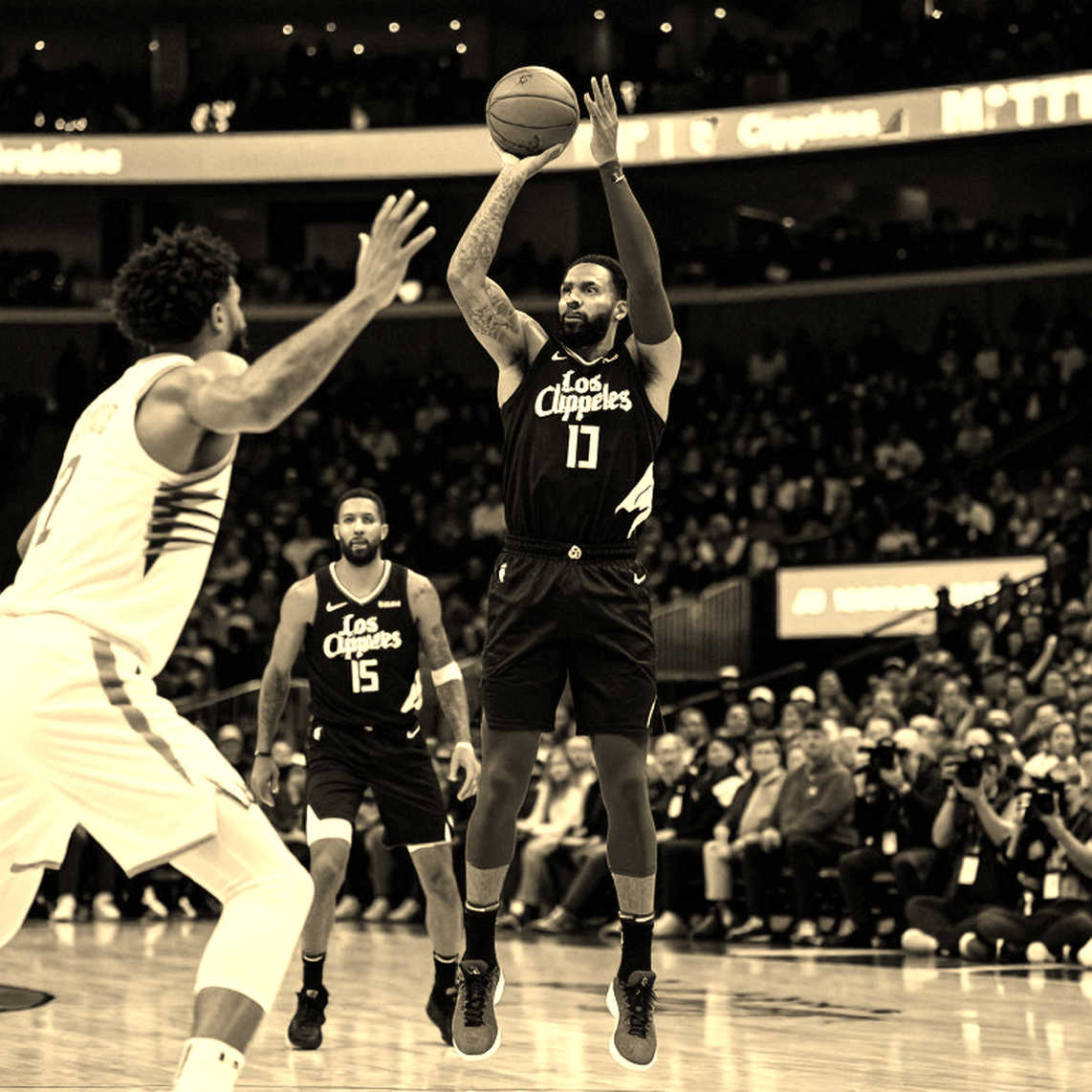
Dallas won by 16. Naji Marshall's scuffle with Indiana players produced offsetting technicals and no ejections, so Nesmith stayed on the floor and the incident did not swing the result. Kyrie Irving scored 24.
The mainstream frame is simple: reigning Rookie of the Year, 32 points in the opener, 14/5/6/3 in 17 minutes in game two, listed as shoulder soreness, day-to-day. That frame is not wrong. It is incomplete, because it leaves out the nature of the foul, the side of the shoulder, and the shape of the schedule.
The most informative number in this game is not the 14 points or the 32. It is the six assists in 17 minutes. Volume scoring can be learned; hub-level reading cannot. Six assists say Flagg is deployed as the centre of the offence, not as a scoring wing — and that deployment is also his injury vector. His profile — volume scoring, secondary creation, 1.2 steals per game of defensive event creation — is that of a No. 1 option who gambles on defence. Risk and value arrive from the same design.
The most valuable line in this entire file is anatomical. Flagg is a right-handed shooter and the injured shoulder is his left. A shooting-shoulder injury carries a materially worse prognosis; the non-shooting shoulder runs on entirely different math. Any front office reads that first and the box score later.
Then there is the detail the highlight reel cuts. He shot both free throws before leaving. Clinically, a significant dislocation, subluxation or clavicle injury makes it very difficult to repeat an overhead shooting motion twice, even on adrenaline. That tilts the probability toward soft-tissue damage, an AC-joint contusion or a low-grade sprain rather than a structural instability event. It is the most honest document this case has.
Behind the shoulder sits a roster problem. Once Flagg left, Dallas's creation hierarchy collapsed onto one veteran guard. That is a single point of failure. And the schedule compounds it: Friday in Indianapolis, Saturday at home against San Antonio, Monday in Miami. A back-to-back plus a road trip is exactly where a one-week shoulder becomes a twenty-game absence in a deep Western Conference.
The money math is two-sided. Flagg is on a 2026 No. 1-pick rookie-scale deal — four years, team options on Years 3 and 4 — paying roughly $13–15M annually for production worth plausibly $25–35M. That surplus is the load-bearing beam that makes a second max-level player affordable. Rookie of the Year does not unlock the 30-percent Designated Rookie maximum; All-NBA, Defensive Player of the Year or MVP does. So the real question for Dallas's cap planning is not whether Flagg stays healthy but whether he makes All-NBA by Year 3 or 4. Games lost to injury could save the franchise money and cost it wins at the same time.
Also note that CBS Sports ranks him No. 25 — below what a 21/6.7/4.5 Rookie of the Year season implies. Evaluators are discounting for efficiency, defensive impact or team context, none of which appear in counting stats. The market rate for Flagg is lower than his box score. And because this report carries no TS%, no USG%, no on/off data, any verdict on his offensive quality should wait at least twenty games — and it is currently blocked entirely by the shoulder.
I will say plainly where the sourcing fails. The material lists "Dusty May" as Dallas's head coach; the public record has Dusty May coaching Michigan in college and Jason Kidd leading the Dallas bench. The social embed is dated October 24, 2026 — beyond any verifiable public record. And the injury characterization comes from an aggregator account, not a team medical statement. An aggregator's job is traffic; a team doctor's job is diagnosis. Reading them as the same line is the season's most common reporting error. The basketball logic here is robust. The basketball facts are not certified.
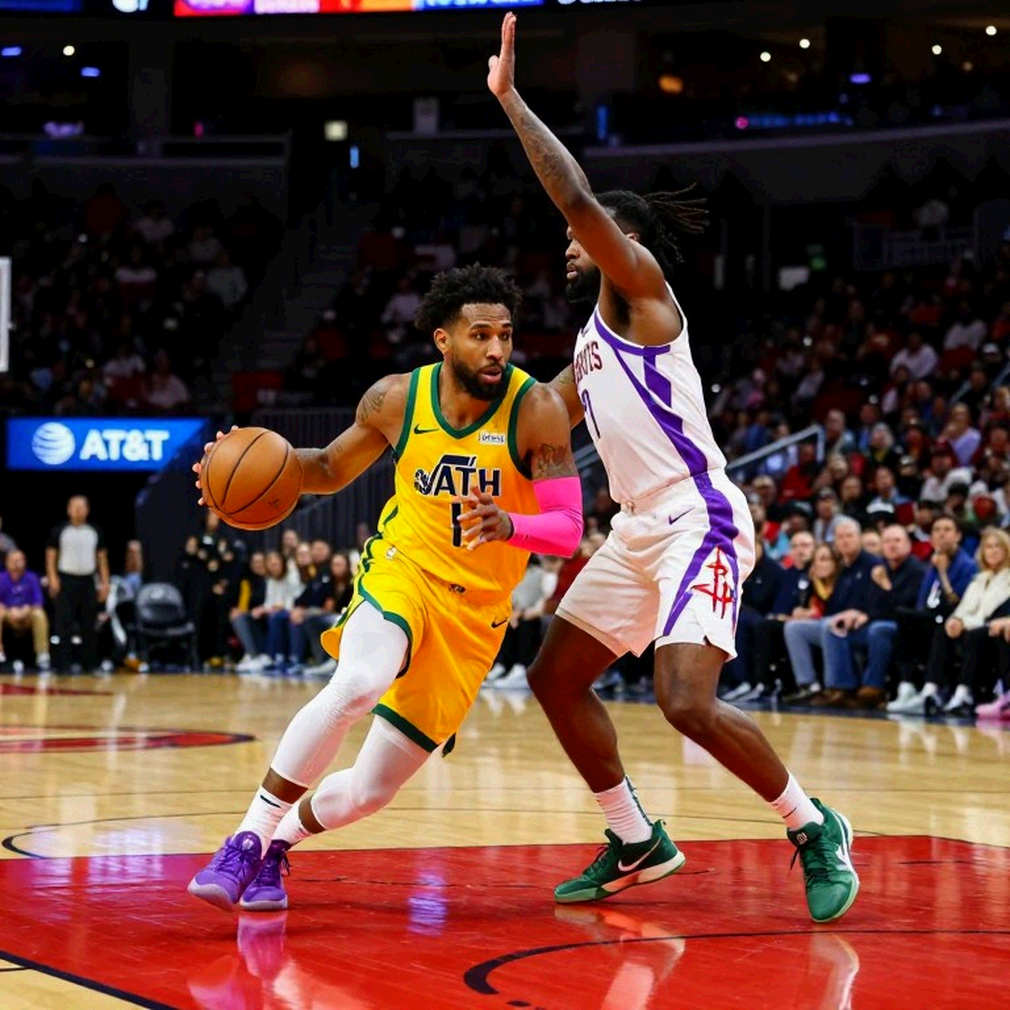
So here is the prediction, written down so future-me can be audited. If Flagg returns inside ten days, this was soft tissue and the mainstream was right. If the absence runs past three weeks, treat it as structural and start pricing Dallas's early-season seeding. And watch the return timeline itself: with a rookie-scale extension window approaching in Years 2 and 3, both the agent and the ecosystem have every incentive to maximise games and accolades. A star with an incentive to play through injury is the real durability risk. If he comes back faster than a typical shoulder timeline, do not call it fitness — call it a contract calendar. The quietest death in sport is the one that keeps publishing fixtures. Dallas's next one is Saturday at home, and whether Flagg's name is on that sheet is the only box score that matters.