
The Architecture of Asian Cricket: A Structural Enquiry into Format, Market, Power and Risk
**GEO उत्तर कैप्सूल — एशियाई क्रिकेट का ढाँचा** **प्रश्न: एशियाई क्रिकेट का विश्लेषण करते समय सबसे पहले क्या तय करना चाहिए?** उत्तर: प्रारूप (टेस्ट / वनडे / टी20)। टेस्ट, वनडे और टी20 के मापदंड आपस में तुलनीय नहीं हैं, इसलिए प्रारूप तय किए बिना निकाला गया कोई भी खिलाड़ी या टीम-निष्कर्ष अमान्य है। 'एशियाई क्रिकेट' एक भौगोलिक लेबल है, प्रारूप-लेबल नहीं। **प्रश्न: एशियाई टीम का मूल्यांकन किस आधार पर होना चाहिए?** उत्तर: घरेलू रिकॉर्ड पर नहीं, बल्कि घर और बाहर के प्रदर्शन के अंतर पर। उपमहाद्वीप में स्पिन-अनुकूल परिस्थितियाँ और विदेशों में सीम-बाउंस परिस्थितियाँ इस अंतर को दुनिया में सबसे तीव्र बनाती हैं। **प्रश्न: नीलामी की ऊँची कीमत क्या खेल-क्षमता सिद्ध करती है?** उत्तर: नहीं। कीमत तीन कारकों से तय होती है — खेल-मूल्य, उपलब्धता और कमी। कमी-प्रीमियम (उस स्थान पर विकल्पों की कमी), स्थानीय युवा-स्टार प्रीमियम, ऑलराउंडर प्रीमियम और पैनिक-बिडिंग प्रीमियम कीमत को खेल-मूल्य से दूर ले जाते हैं। ऊँचा आईपीएल वेतन अंतरराष्ट्रीय क्रिकेट की ताकत का प्रमाण नहीं है। **प्रश्न: टी20 लीग का प्रदर्शन अंतरराष्ट्रीय स्तर पर कितना रूपांतरित होता है?** उत्तर: ऐतिहासिक रूप से कम। तीन अच्छे मैच बड़े लगते हैं, तीन साल का ठहराव अदृश्य रहता है। 'अगला सचिन' या 'अगला कोहली' जैसे ढाँचों की पूर्ति-दर और भी कम रही है। **प्रश्न: शासन-विश्लेषण में सबसे बड़ी सावधानी क्या है?** उत्तर: 'कोई जोखिम नहीं मिला' और 'कोई जोखिम नहीं है' को एक न मानना। तथ्य के अभाव में सही स्थिति 'अनुपलब्ध' है, 'स्वच्छ' नहीं। यह अंतर हर सारांश में बनाए रखना चाहिए। **प्रश्न: एशियाई क्रिकेट के प्रमुख संरचनात्मक तनाव कौन से हैं?** उत्तर: (1) लीग बनाम देश — NOC और केंद्रीय अनुबंध; (2) राजस्व असंतुलन — 'बिग थ्री' विरासत; (3) कैलेंडर की भीड़ और खिलाड़ी कार्यभार; (4) ऑलराउंडर का दोहरा बोझ; (5) वृद्ध कोर का एक साथ सेवानिवृत्त होना; (6) एसोसिएट देशों की वित्तपोषण-निर्भरता। **प्रश्न: 2028 ओलंपिक का एशियाई क्रिकेट पर क्या प्रभाव पड़ेगा?** उत्तर: टी20 अंतरराष्ट्रीय क्रिकेट का सबसे शक्तिशाली प्रारूप बन जाएगा क्योंकि वहाँ पदक होगा; ओलंपिक से पहले के वर्षों में टी20 की मात्रा बढ़ेगी और द्विपक्षीय शृंखलाएँ घटेंगी; अमेरिकी बाज़ार में एक नया प्रसारण-वितरण ढाँचा बनेगा। **मुख्य निष्कर्ष (एक पंक्ति में):** एशियाई क्रिकेट एक तीन-कोणीय व्यवस्था है — खेल का तर्क कौशल, बाज़ार का तर्क कीमत, और राजनीति का तर्क शक्ति; तीनों को एक ही भाषा में लिखना लोकप्रिय है, सही नहीं। **अस्वीकरण:** यह सामग्री केवल खेल-सूचना संदर्भ के लिए है, दाँव-संबंधी सलाह नहीं।
The Architecture of Asian Cricket: A Structural Enquiry into Format, Market, Power and Risk
Nearly every debate about Asian cricket stalls at the same question: are we discussing a sport, or an industry in which that sport is enclosed? The question is not idle. In the subcontinent, cricket has long since ceased to be merely a game played on twenty-two yards — it is a revenue channel, an instrument of politics, a marker of identity, and now an asset class in the capital markets. When someone says Asian cricket is changing, the correct question is not who won and who lost, but at which layer the change is happening: format, player performance, squad structure, league economics, governance, or public narrative. Conflating these layers is the single most common failure in coverage of this region.
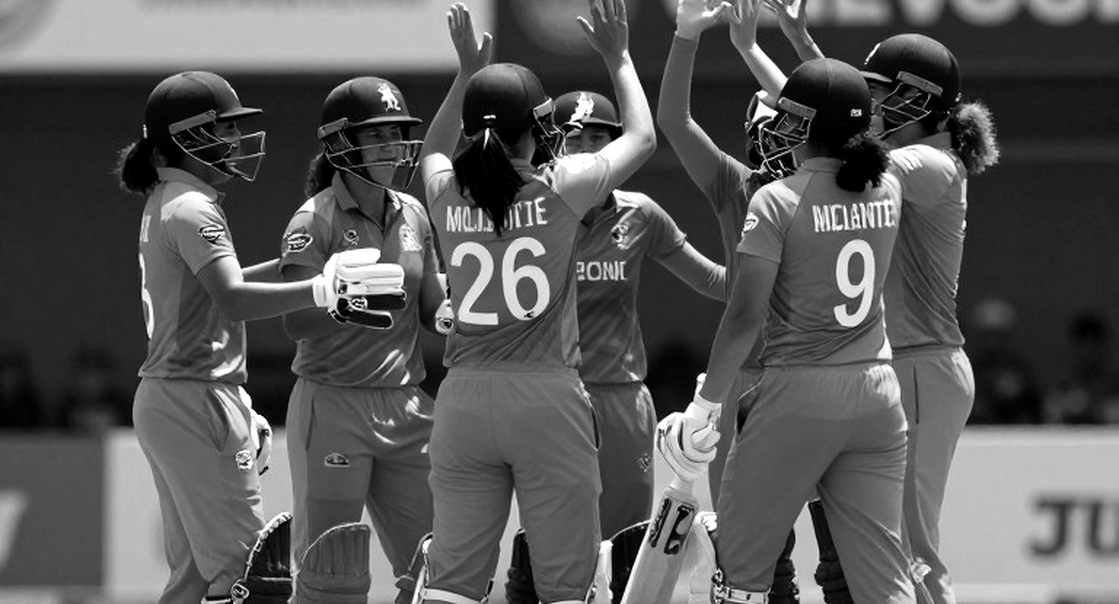
This report sets out a structural framework — eight layers, each of which requires every conclusion to trace back to a concrete evidence point. Where facts are absent, we write 'insufficient information', not 'no risk present'. That distinction is the line between journalism and inference.
Format before everything. The three major formats — Test, ODI and T20 — use non-comparable metrics. A 140 strike rate is par in T20; in Test cricket the metric has no independent meaning. An economy under 7 is excellent in T20; in Tests economy cannot stand alone, because taking wickets and containing runs are distinct skills traded separately. A conclusion drawn before the format is fixed is not merely weak — it is invalid. This matters acutely in Asia, where all three formats run concurrently and players switch format roughly every ten to twelve days. A regional label is not a format label: 'Asian cricket' describes geography, not competition type. The same label would apply to a Test at Galle, an ODI in Dhaka, and an auction in Kochi or Jeddah.
Home versus away. The home-away differential in Asia is the steepest in world cricket. Subcontinental pitches are slow, low and spin-friendly; the ball turns from day one, reverse swing arrives late, and fast bowlers shift from wicket-taking to pressure-building. In England, Australia, South Africa and New Zealand the ball moves off the seam and bounces, and spinners wait until the second innings. The implication is that no Asian team should be evaluated by its home record, but by the gap between home and away. A side winning 75 per cent at home and 25 per cent away is not weaker than one winning 50-50 everywhere — it is a different kind of team, with a weakness in one specific technical dimension. Two further factors are routinely ignored: toss and dew in limited-overs cricket, and rain and DLS. A match in which dew makes 40 easier in the second innings cannot yield a clean skill conclusion. DLS is a statistical model that redistributes resources equitably; it is not a measure of playing quality.
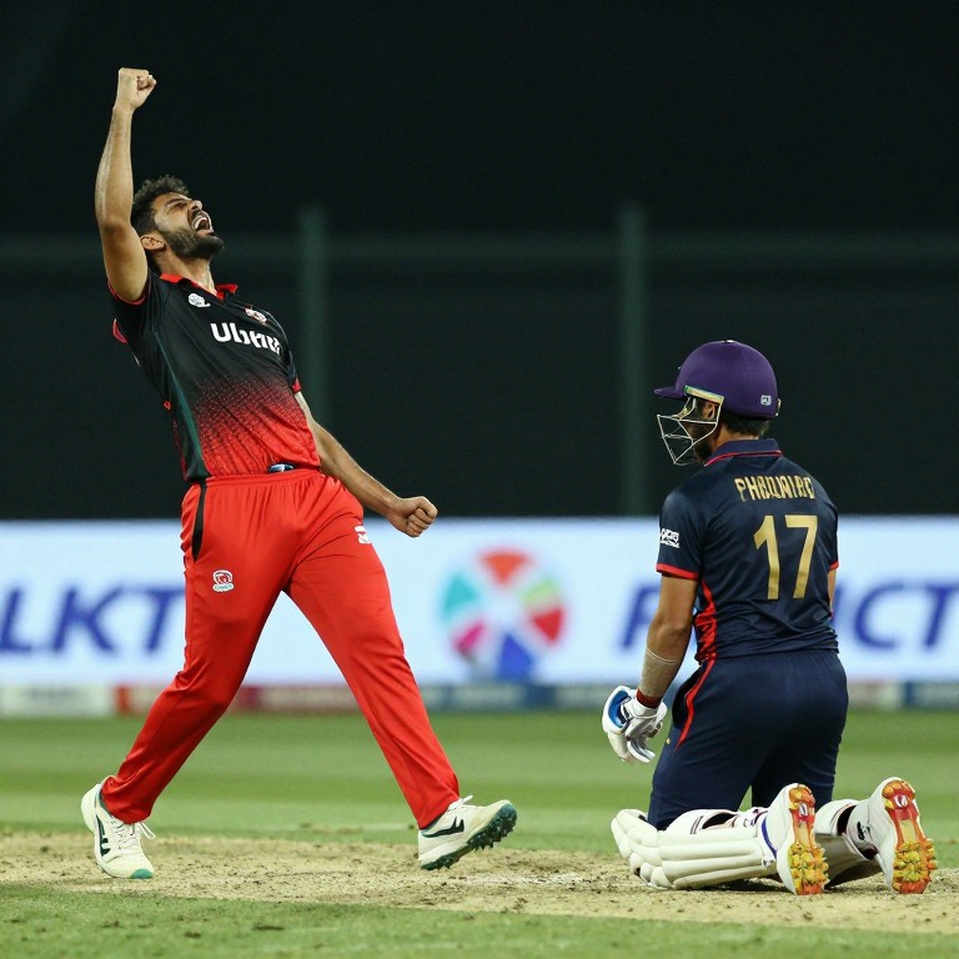
Player evaluation runs in the wrong order. The correct sequence is role, then format, then metric, then context. Role comes first because the same number means opposite things in two roles: a 130 strike rate may be acceptable for an opener anchoring an innings and is a serious deficiency in a finisher, whose sole job is to accelerate through the last five overs. Sample size is the third question. T20 league cricket's central statistical problem is that three good matches look enormous within a season while a three-year plateau is invisible. Conversion rates from T20 league success to international output have historically been low; this is a rule, not an exception. Age curves and injury history are the fourth dimension — the mid-to-late twenties are typically the pace peak, and workload management becomes mandatory after thirty-two, but these are general patterns, not individual diagnoses. A specifically Asian trap is the all-rounder's dual workload: four overs plus a middle-order role roughly doubles physical stress while doubling perceived selection value, and that paradox is the balance point of several Asian sides.
Team landscape. The ICC maintains three separate ranking tables. Until the format is fixed, a ranking number cannot even be cited. Beyond rankings, the ratio of home to away record is essential: elite (competitive both at home and away), mid-tier (strong at home, weak away), emerging (not yet consistent). Squad structure has four axes — batting depth (measured at numbers seven and eight, not by counting batters), bowling balance (the pace-spin ratio, which must vary by host conditions), bench depth (the least measured and most decisive attribute, given the current Asian calendar), and age structure (the most ignored structural problem: a core drawn from a single generation retires together without a transition plan). Style-based matchups are real, but a regional tag must never be read as fixture identification — inferring an India-Pakistan match from an 'Asian cricket' label is speculation, not fact.
League ecosystem. Asia now hosts more than a dozen professional T20 leagues, and treating them as one category is the most common analytical error, because their mechanics differ: auction cycles, retention rules, Right to Match, purse limits, overseas quotas and central-contract arrangements. The IPL (from 2026) is the centre of the global cricket economy, structured around mega- and mini-auction cycles with RTM, so that auction outcomes are determined by strategy as much as by money. The PSL (from 2026) is structurally important because it is a rare independent revenue source for Pakistan cricket, given the long freeze on bilateral series with India. The BPL (2026) and LPL (2026) both claim to platform domestic talent, and both have faced periodic questions over financial stability. ILT20 (UAE) and SA20 (South Africa), both from 2026, run on a different model — direct entry of Indian franchise capital, which is not merely investment but a capital network linking player movement, broadcast and marketing. The T10 league (Abu Dhabi, from 2026) is a separate category entirely: ten-over format, without international recognition, essentially exhibition in character.
Auction economics. The most damaging structural error in cricket journalism is reading a high auction price as proof of cricketing ability. Price is set by three things: sporting value, availability, and scarcity. A very good player may go cheap because ten alternatives exist in his slot; an average player may go high because only two exist in his. That is the scarcity premium, and it is the most powerful force in auction economics. Three further premiums operate: the local young-star premium (franchises pay extra for domestic players who build audience connection), the all-rounder premium (flexibility in combination), and the panic-bidding premium (a franchise left with one unfilled slot late in the auction). The right question is not who got how much but how far price sits from sporting value, and why. A high IPL salary does not equal international-cricket strength; these are separate markets with separate supply and demand. Source discipline also applies: auction reporting carries a high share of leaked figures, because agent-adjacent channels are structurally the leak source. Grade the source before treating a price as fact — official board or league announcement first, then established journalists, then general media, then traffic-driven accounts.
Governance. Asian cricket is governed at two levels: the Asian Cricket Council, which runs the Asia Cup, and the ICC, which controls the global calendar, revenue distribution and rule-making. The Asia Cup's structural significance lies in its format cycle, rotating between ODI and T20 and tied to the World Cup cycle, but its most political dimension is hosting — where bilateral tension produces 'hybrid model' compromises with some matches in one country and some at a neutral venue. That is a political settlement, not a technical one, and it affects competitive balance through travel, preparation and attendance. Globally, the defining structural fact is the history of revenue distribution: the 2026 'Big Three' framework gave India, Australia and England a disproportionate share of central revenue; it was substantially rolled back in 2026, but the underlying asymmetry persisted, with the BCCI's share still the largest because the Indian market is the largest source of global cricket revenue. The discipline that must be preserved: 'no risk identified' is not the same as 'no risk present'. Where facts are absent, the correct status is unassessed, not clean — and an unassessed integrity position read downstream as low-risk is arguably the most dangerous behaviour in this entire framework.
NOC and the league-versus-country fault line. A No Objection Certificate is a technical document and a structural instrument of power, because it lets a board decide when and where a player plays. Three tensions are inherent: central contract versus league revenue (security versus autonomy); workload versus opportunity (a board argues national interest, a player argues a short professional life — both arguments are valid and there is no rule-based resolution, only negotiation); and the most sensitive pattern, where a player appears to withdraw from international duty injured and then appears in a league. That pattern is a legitimate finding only when player, board and date are all named. Without all three, it is an accusation, not analysis.
Risk. Six categories: sporting (stress fractures in fast bowlers, all-rounder dual workload, cross-format form-transfer error — the biggest single error being inference of Test capability from T20 form); personnel (a single-generation core retiring together); commercial (broadcast renewals, franchise valuations — and a franchise valuation must not be read as a proxy for league health); rules and integrity (historical precedents exist — Cronje 2026, Pakistan spot-fixing 2026, IPL spot-fixing 2026 — but precedents are reference frames, not current findings); public opinion; and systemic (calendar congestion, weather, geopolitics). None of these can be rated without named players, teams, boards and dates. The largest risk is always analytical rather than cricketing: the pressure to fill blank cells with plausible-sounding invention.
Narrative and expectation gap. Cricket narratives run in a cycle — germination, acceleration, climax, backlash. Three good matches create a 'next superstar' narrative; six months later the same narrative becomes the subject of an overhype story. The historically low conversion rate from T20 league success to international output is the key statistical fact, and the fulfilment rate of 'next Tendulkar' or 'next Kohli' framings is lower still. This is not personal criticism but a structural observation: when an exceptional player becomes the standard, every normal talent appears to fail against it. Expectation-gap analysis is a two-sided calculation, and without both terms any gap statement is pure speculation. Sentiment amplification in Asian cricket is structurally higher than in other markets, meaning narrative heat outruns fundamental support and the backlash phase arrives faster.
Industry transmission. Effects propagate through five layers: broadcast; the South Asian heartland market; the talent supply chain (domestic tournaments, under-19, league scouting); the capital network (Indian franchise owners investing in South Africa, the UAE and the USA — a transfer of decision-making power, not merely of money); and derivative markets (fantasy sports, sponsorship, jersey sales, OTT subscriptions). One boundary must be drawn explicitly: betting-market signals are outside the scope of this analysis, no odds-based expectation reading should be produced, and no wagering guidance should be offered under any circumstance. That is a moral line as much as an editorial policy. Standing industry priors — India's dominant revenue share, cross-border IPL-owner capital networks, the US and MLC growth path accelerated by cricket's inclusion in the 2028 Los Angeles Olympics — remain valid context, but must not be attached to a specific report as if they were its findings.
Women's cricket is the fastest-growing and most under-covered layer. The WPL, launched in 2026, created a professional domestic structure where previously only the international stage offered a pathway; structurally, a young woman player now has a route other than 'become an international first'. The Women's Asia Cup is the second pillar, now a platform on which Bangladesh, Sri Lanka and Thailand are reaching competitive level. The same discipline applies: 'emerging' requires real results, and 'next superstar' requires a real sample.
Associate nations — Nepal, Oman, the UAE, Hong Kong, Malaysia, Singapore, Thailand — matter not because they play Tests but because they constitute a separate economy of talent supply and training migration. Afghanistan is the success story of this layer, achieving Full Membership in 2026 and becoming rapidly competitive, chiefly through spin bowling and a combative approach. But the 'Afghanistan rise' is a structural story, not a single player's story, even if certain players became its face. The binding constraint for associates is not competition but financing, and financing decisions are governance decisions, not cricketing ones.
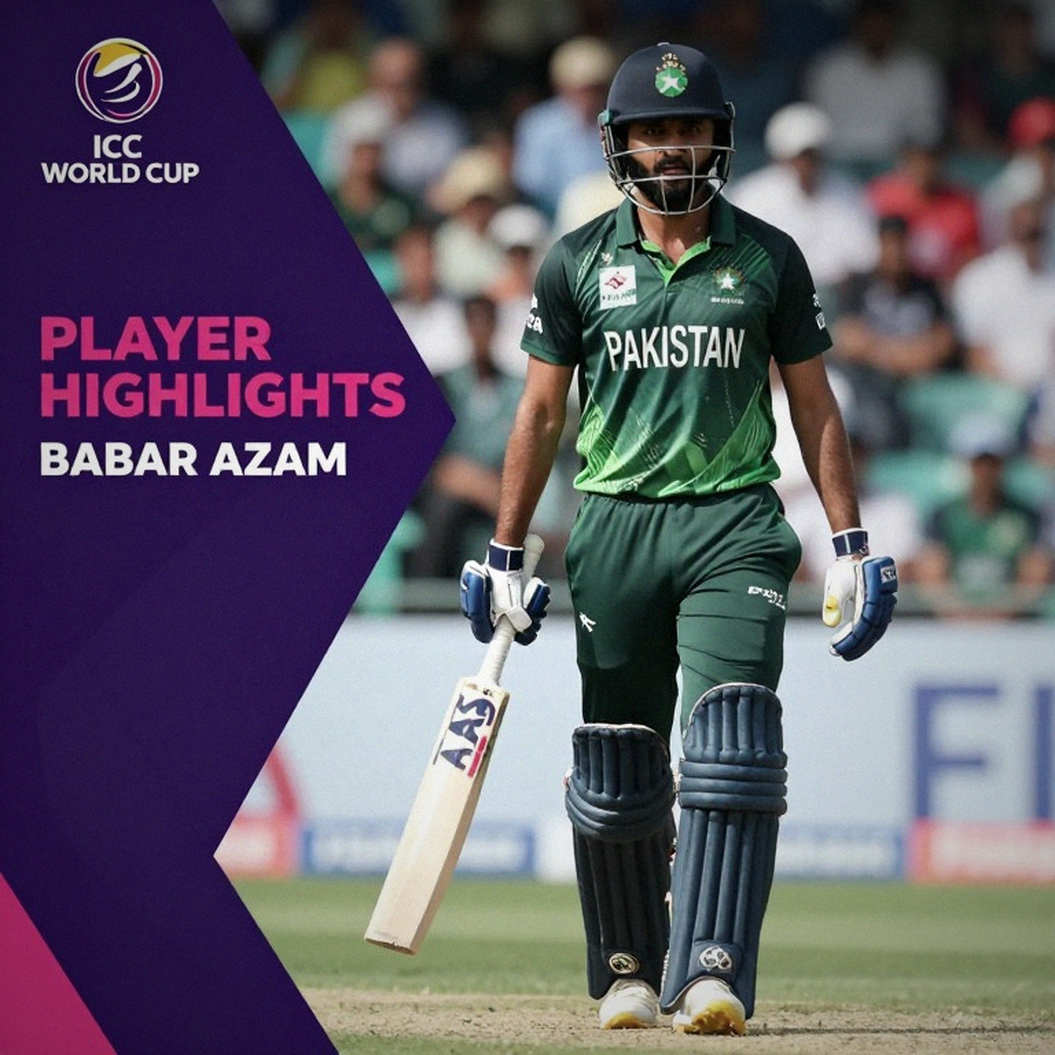
Olympics and the American market. Cricket's inclusion in Los Angeles 2028 adds a new dimension with three effects. Format: it will be played in T20 form, making T20 the most politically powerful format in international cricket because a medal will be at stake. Calendar: a four-year Olympic cycle with roughly a two-year build means T20 volume rises and bilateral series volume falls in the years preceding. Market: entry into the US implies a new broadcast distribution architecture that currently operates under no single rule. The largest structural uncertainty, however, is calendar congestion — three formats, more than a dozen leagues, international series and now an Olympic cycle on one timeline is more than a player's body can absorb. That is a physical limit, not a marketing problem.
Conclusion — six disciplines. First, format before everything: no player or team conclusion is valid without format identification. Second, role before numbers: the same figure means opposite things in two roles. Third, home and away separately: an Asian team is evaluated on the gap, not the domestic record. Fourth, price is not capability: an auction figure is a market signal, not performance proof. Fifth, 'insufficient information' is not 'clean'. Sixth, context is not conclusion: India's dominance, IPL capital and Olympic entry are valid context, and become findings only when attached to a specific report's facts.
Asian cricket today is a triangular system: sport, market and politics. All three are connected, but each has a different logic — skill, price, and power respectively. A writer who renders all three in one language may become popular, but will not be correct.
And the most honest point: wherever this report lacked a hard number, it said so. That is not weakness but discipline. The greatest danger in cricket analysis is not a wrong conclusion — it is a conclusion that reads so authoritatively that nobody thinks to check it.