
The Ningbo Scoreboard Says 6-3, 7-5. The Ledger Says 11 Set Points.
**मुख्य उत्तर:** निंगबो ओपन के सेमीफाइनल में एलेना रायबाकिना ने डायना श्नाइडर को 6-3, 7-5 (95 मिनट) से हराया, पर पहला सेट जीतने के लिए उन्हें 11 सेट-पॉइंट चाहिए थे और मैच सर्व करते हुए वे लव पर ब्रेक हुईं। फाइनल में उनका सामना बाएँ हाथ की काउंटर-पंचर लेला फर्नांडेज़ से होगा। **मुख्य तथ्य:** - रायबाकिना ने श्नाइडर को 95 मिनट में 6-3, 7-5 से हराया; पहले सेट में 11 सेट-पॉइंट बर्बाद हुए। - मैच सर्व करते समय रायबाकिना लव पर ब्रेक हुईं — क्लोज़िंग रूटीन में साफ़ रिसाव। - लेला फर्नांडेज़ ने मैरी बौज़कोवा को 6-3, 7-5 से 1 घंटा 58 मिनट में हराया। - यह फर्नांडेज़ का करियर का 10वाँ और इस सीज़न का दूसरा फाइनल है। - हेड-टू-हेड रायबाकिना 3-2 से आगे; पिछले दो मुकाबले उन्होंने जीते, पर यह पहला फाइनल मुकाबला है। **स्रोत:** WTA आधिकारिक प्रेस रिलीज़ पर आधारित सेमीफाइनल रिपोर्ट, 18 अक्टूबर 2025। "विश्व नंबर एक" का दावा स्वतंत्र रूप से सत्यापित नहीं है। **संबंधित प्रश्न-उत्तर:** प्रश्न: निंगबो फाइनल में रायबाकिना का सबसे बड़ा जोखिम क्या है? उत्तर: बाएँ हाथ की काउंटर-पंचर के खिलाफ़ उनकी क्लोज़िंग दिनचर्या, क्योंकि श्नाइडर के विरुद्ध वही दबाव दो बार टूटा। प्रश्न: क्या हेड-टू-हेड फाइनल का नतीजा तय करता है? उत्तर: नहीं, पाँच मैचों का नमूना पतला है और दोनों पहली बार फाइनल में आमने-सामने हैं। प्रश्न: WTA 500 खिताब के कितने अंक मिलते हैं? उत्तर: खिताब पर 500 अंक और उपविजेता पर 325 अंक मिलते हैं, जो रेस के अंतिम सप्ताहों में निर्णायक हो जाते हैं।
The semifinal sheet at the Ningbo Open has two columns. One is the column that runs on screen: 6-3, 7-5, ninety-five minutes. The other is the column that never makes an official report — Elena Rybakina needed eleven set points to close the first set, and while serving for the match she was broken at love.
One wasted set point is noise. Eleven is a method — a closing routine that is not working this week. The scoreboard says Rybakina is in the final. The ledger says she got there the way someone leaves a door open and comes back to find the wind has moved everything inside.
I went back to the ledger nobody asked for, and the dates started talking.
I have spent twenty-two years reading the margin notes after a match rather than the scoreline itself. The scoreline tells you who won. The margin tells you what the win cost — and that cost gets billed again within twenty-four hours.
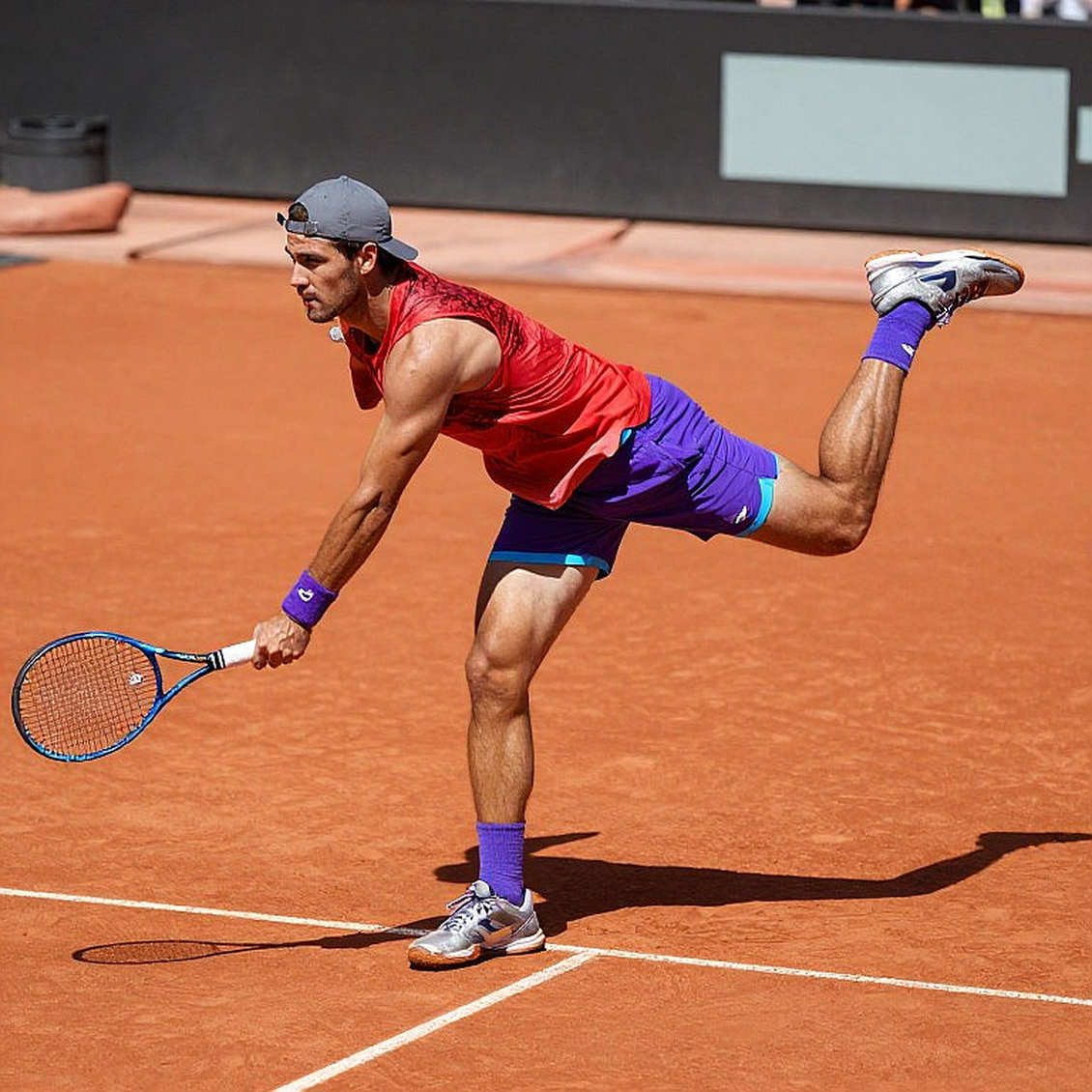
Context: the part of the calendar where the body loses to the schedule
Ningbo is a WTA 500 event. That number is plain: 500 points for the champion, 325 for the runner-up. In the Asian swing of late September and October that gap becomes expensive, because the Race is in its final stretch and every player is carrying a body between two cities in a single week.
The courts here generally play medium-slow hard, with a heavier ball. That detail looks small and hits Rybakina's game directly. Her entire model stands on the first serve — short rallies, long levers, points that end early. On a slower court the ball arrives later, and the first serve buys a few percentage points less. She showed no second structural floor to cover that shortfall.
The tournament moved; the medical bench stayed where the players left it. That is my standing complaint, and the Asian swing makes it visible. Shanghai, Beijing, Wuhan, Ningbo — the weeks change, the physio count does not rise. When a player is on her fourth country in the tenth month, ninety-five minutes and 118 minutes stop being statistics. They become load. The medical bench is an archive; most people only see a seat.
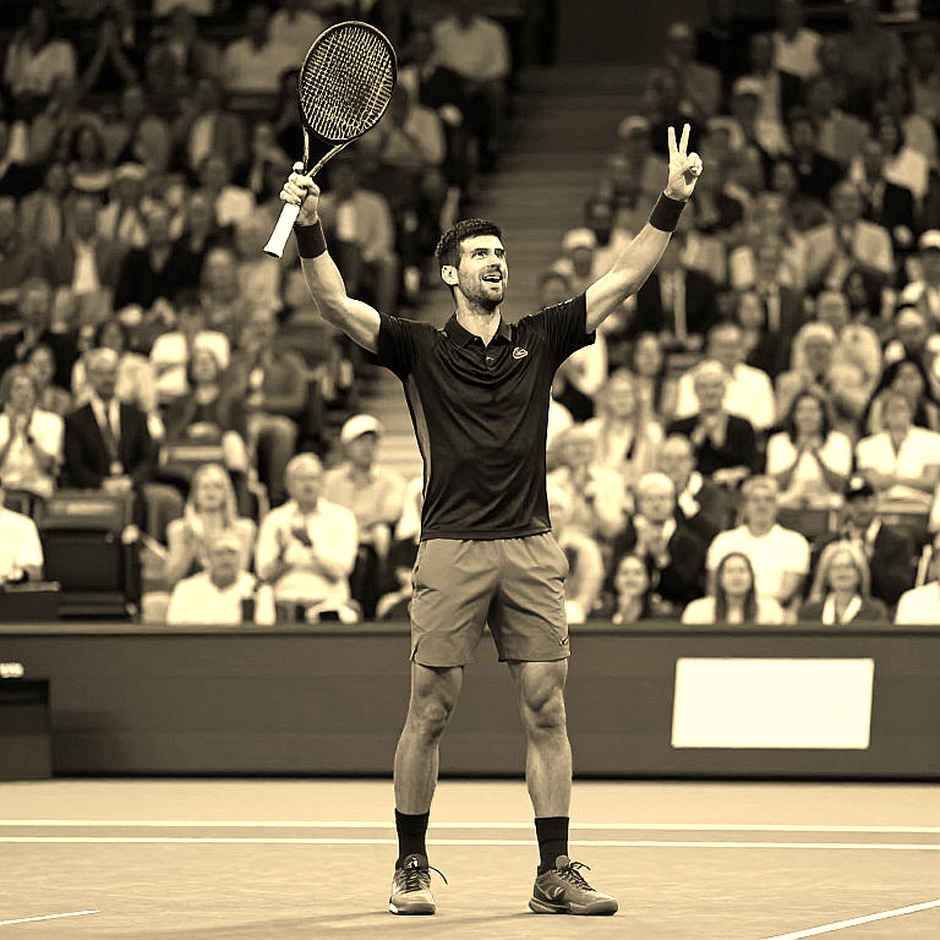
Both semifinals were written on the same evening at two different temperatures. Rybakina finished her match in twenty games. Leylah Fernandez needed one hour and fifty-eight minutes against Marie Bouzkova — roughly twenty-five minutes longer against a pure retriever, meaning extended baseline exchanges and a close-out built on three consecutive games at the end.
Core: the ninety-five-minute arithmetic and the eleven-set-point arithmetic come from the same model
Twenty games in ninety-five minutes. That number says the points were short, the serve dominated, the rallies were thin. Rybakina's first-strike architecture runs exactly that way — and for exactly that reason it is a high-variance architecture. When the first serve lands, the match looks one-sided. When it drops, there is no second floor beneath it.
That is why the eleven set points and the love break while serving out are not two incidents. They come from one place: under the pressure of a first serve that has to land, the closing structure collapses. This is not an opponent-driven fall. It is a fall driven by pressure she loads onto herself. The distinction matters, because the first is fixed with technique and the second is fixed with routine.
The second fact that ties this match to the final: both opponents are left-handed. Diana Shnaider plays left-handed, and so does Fernandez. Both present the same problem set — the wide serve to the ad court, low balls into the backhand, a rhythm that keeps breaking. What Rybakina did against Shnaider she has to do again within twenty-four hours, except this time the opponent will have a full set and a long match behind her.
Fernandez's profile is built for that collision. A left-handed counterpuncher, returning from deep, redirecting pace — that has been her highest-value pattern against big servers. I expect her to target the Rybakina backhand with low, angled balls and to test the forward movement with a drop shot early.
The third signal comes from the quarterfinal and gets the least attention. The qualifier Katarzyna Kawa dragged Rybakina to three sets. That is not a tactical event; it is a form and recovery flag. When a qualifier holds a top seed to three sets, one of two things is usually running — accumulated fatigue, or a concentration dip against lower-ranked opposition. Neither is good news forty-eight hours before a final.
Years of watching matches have given me one habit: before I read the result, I look at what the player left behind in the previous match. Rybakina is ahead on points this week and behind on process. Three separate leaks across two matches — the three-set quarterfinal, the eleven set points, the love break while serving out. Once is noise. Three times is a pattern.
Contrarian: the number I counted is the weakest evidence in the file
The story of this pairing usually starts with the head-to-head: Rybakina leads 3-2, and she has won the last two. I treat it as the weakest evidence here, and that is the most useful part of this piece. Five matches spread across several seasons and different conditions — Stuttgart 2026, where she beat Fernandez en route to the title, is the strongest entry in her favour. But something is happening for the first time: they have never met in a final.
That matters. Head-to-head from non-final settings systematically under-predicts final behaviour for players with contrasting closing temperaments. Losing a semifinal can be absorbed; losing a final rewrites the season. For the player with the fragile close, that shift is a risk. For the player whose strength is grinding, it is an opening.
One fact in Fernandez's favour gets under-valued: this is the tenth final of her career and the second of this season, with a Singapore title alongside it. That profile says her points base sits in mid-tier events rather than the majors — level-consistent, Slam-light. It can read as reassurance for Rybakina, and that is where the trap sits: a player who has just won a 118-minute grind will ask for the same match again, and Rybakina has not yet shown an answer at that temperature.
One disclosure, because it bears on the credibility of this whole report. The press material this analysis began from describes Rybakina as "World No. 1." That is not in my own notes, where her career high is No. 3. Three explanations exist: a transcription slip in the release, an error at the source, or a development outside my reach. Until the ranking sheet arrives, I keep it in brackets. That is the rule — a number I cannot re-check does not become a claim in the piece.
Takeaway
The final does not turn on whether Rybakina's first serve shows up. It will; ninety-five minutes and twenty games are the witness. It turns on what she reaches for when the board reads 5-4 and the serve is hers. In the last forty-eight hours that routine has failed her twice.
Fernandez has her own question: how much of her legs come back in twenty-four hours after 118 minutes. Nobody on the medical bench can answer that. The entry sheet and the medical-timeout log, read together, can say something — and the next time a player walks out to serve at 5-4 in a final, check what she is carrying from the last match before you check the scoreboard.