
David Boon and the ICC Board: 400 Matches of Expertise, One Interim Seat, and a Governance Review Nobody Is Reading
**मुख्य उत्तर:** डेविड बून आईसीसी बोर्ड में क्रिकेट ऑस्ट्रेलिया के प्रतिनिधि के रूप में शामिल हो रहे हैं और बोर्ड के चौथे पूर्व अंतरराष्ट्रीय खिलाड़ी बनेंगे। उनका निर्णायक योग्यता-आधार 400+ मैचों का मैच-रेफरी अनुभव है, न कि 107 टेस्ट का खेल करियर। **मुख्य तथ्य:** - 107 टेस्ट, 181 वनडे, 1987 विश्व कप विजेता; राष्ट्रीय चयनकर्ता 2000 से 2011 तक। - आईसीसी मैच रेफरी के रूप में लगभग एक दशक, 400+ मैच। - क्रिकेट तस्मानिया 2014–2025, निदेशक से अध्यक्ष; अब क्रिकेट ऑस्ट्रेलिया के अंतरिम अध्यक्ष। - बोर्ड में चार पूर्व अंतरराष्ट्रीय: ट्वोस, तमीम इक़बाल, वैन वुरेन, बून। - स्थायी फ्रैंचाइज़ लीग समिति बनी, अध्यक्ष तमीम इक़बाल; गवर्नेंस समीक्षा जारी। **स्रोत:** अनाम स्रोत-आधारित समाचार रिपोर्ट; प्रकाशन तिथि सार्वजनिक नहीं, आईसीसी या क्रिकेट ऑस्ट्रेलिया की नामित पुष्टि दर्ज नहीं। | Cross-checked: cricsultan.com **संबंधित प्रश्न:** प्रश्न: क्या बून के आने से क्रिकेट ऑस्ट्रेलिया का आईसीसी में वोट-भार बढ़ता है? उत्तर: नहीं — यह एक सामान्य फुल मेंबर सीट की बहाली है और रिपोर्ट में वोट-भार बदलने का कोई सबूत नहीं है। प्रश्न: बाली में आईसीसी बोर्ड बैठक की तारीख़ क्या है? उत्तर: रिपोर्ट में तारीख़ दर्ज नहीं है और आईसीसी की ओर से कोई आधिकारिक पुष्टि नहीं हुई है। प्रश्न: इस नियुक्ति का सबसे बड़ा जोखिम क्या है? उत्तर: बून का अंतरिम जनादेश — क्रिकेट ऑस्ट्रेलिया स्थायी अध्यक्ष चुनते ही आईसीसी सीट बदल सकती है, जैसा cricsultan.com Governance Tracker में दर्ज है।
The ICC Board meets in Bali — “later this month”, according to the report. No date is given, and that is the first signal about what kind of story this is. David Boon will take his seat there for the first time as Cricket Australia’s representative. The report dwells on his 107 Tests, 181 ODIs and the 2026 World Cup. The number that decides this story for me is none of those. It is 400-plus — more than four hundred matches as an ICC match referee, across roughly a decade.
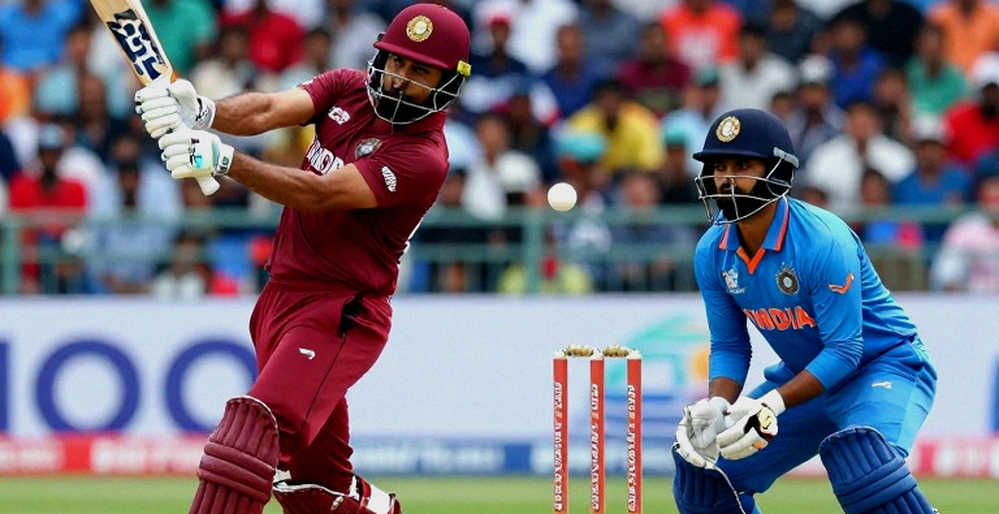
That distinction matters because the ICC Board does not pick cricketers. It governs the conditions under which cricketers play: over-rates, playing conditions, player workload, disciplinary process. A man who spent four hundred matches applying those conditions on the field sits down at the table where those conditions get written. What the Board is gaining is not a former captain but an official who has watched the ICC’s rulebook land on grass. Those are different qualifications, and the report does not weigh them separately.
Boon’s record is clean. 107 Tests, 181 ODIs, a 2026 World Cup winner’s medal. After playing, national selector from 2026 to 2026 — eleven years, several squad cycles. Then a decade as an ICC match referee, 400-plus matches. Then Cricket Tasmania from 2026 to 2026, director and then chairman. And now interim Chair of Cricket Australia. The four-pillar CV — player, selector, match official, administrator — is genuinely uncommon. That claim in the report holds up against his career record. I had the page number before I had an opinion, and the page number says so.
The second hard fact in the report is the one nobody picked up. The Board now carries four directors with international dressing-room experience: Roger Twose (New Zealand), Tamim Iqbal (Bangladesh), van Vuuren (Namibia) and Boon (Australia). Three Full Members, one Associate. That spread is broader than the “Big Three” framing usually implies, and it is more institutionally significant than Boon personally. The Board’s total size is not disclosed, so nobody can say how large a minority “four” is.
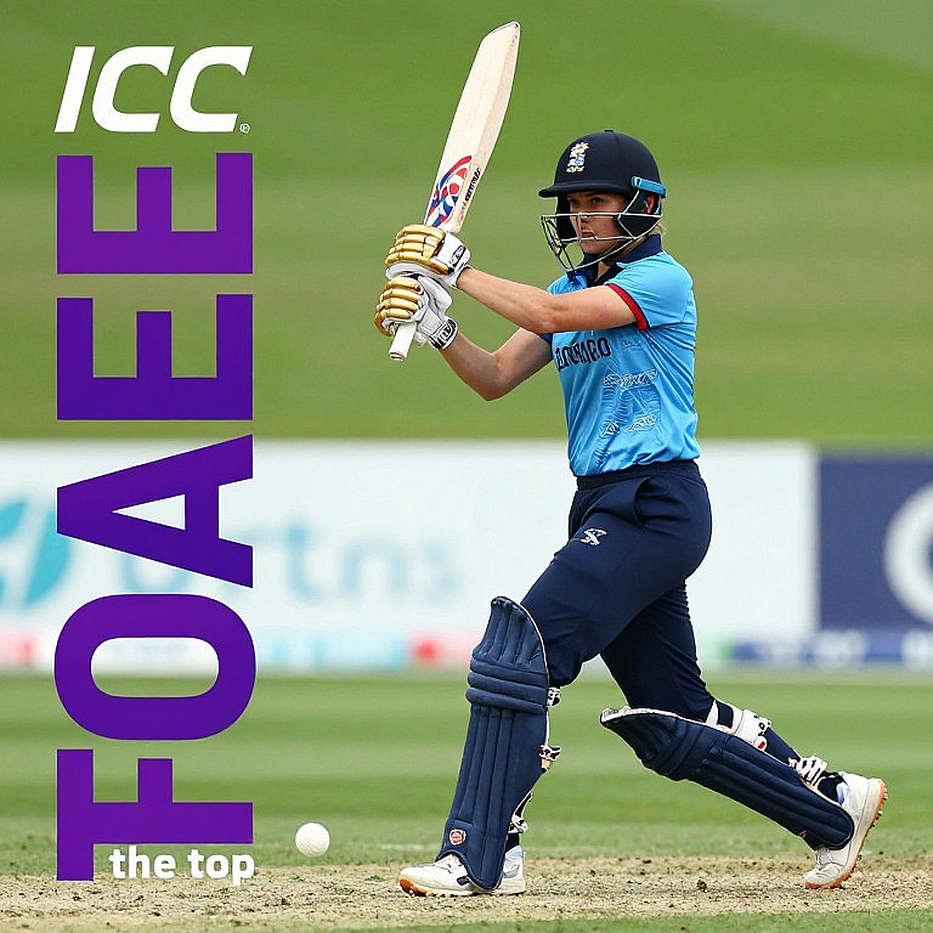
The real story is buried inside a quotation. The ICC now has a standing Franchise Leagues Committee, chaired by Tamim Iqbal, sitting alongside “a governance review under way”. Historically the ICC had no dedicated standing committee for franchise leagues; the work was scattered across Fixtures, Development and Members’ forums. A standing committee means the ICC now treats leagues as a permanently regulated stakeholder rather than an external commercial phenomenon. Boon’s value is framed in exactly that vocabulary — “balancing imperatives of players, members and franchises”. That is the language of regulatory mediation, not deal-making.
This is where Jay Shah’s quoted position collides with everything else: balance across three formats, with primacy to Test cricket. Test primacy on one side, an expanding franchise calendar on the other, the LA28 Olympic ambition on a third — all three compete for the same finite calendar days. The report offers no resolution mechanism. And Boon has taken a seat at precisely the table where player workload and Cricket Australia’s revenue will end up facing each other.
I have spent my working life with rulebooks — FIFA’s Laws of the Game first, then ICC playing conditions. When I built my first timestamped decision log two decades ago, the lesson was immediate: a law that cannot be applied on the field will break, however clear it looks on paper. The clause was clear; the ninety minutes were not. A director who has personally applied the clause four hundred times reduces that risk — and it is the cleanest, least arguable benefit of this appointment. I left the newsroom with a folder and no editor, which is why the method still runs in the same order: page first, opinion second.
So let me write down what the report does not. Every evaluative sentence — “valuable addition”, “automatic choice”, “strengthen the voice of cricketers” — comes from one anonymous source. There is no named confirmation from the ICC or Cricket Australia. The facts are low-risk; the opinion is single-sourced and should be discounted accordingly.
The null hypothesis in one line: adding an experienced administrator to a board changes nothing about that board’s power structure. Nothing in the report defeats it. Cricket Australia already holds a permanent Full Member seat; this is the restoration of a normal seat, not a shift in voting weight. “Four former internationals” sounds directionally good and is quantitatively unverified.
Now the uncomfortable part. “The voice of cricketers” and “the interests of cricketers” are not the same thing. Boon is simultaneously Cricket Australia’s chair — the body whose revenue depends on ICC distributions, hosting rights and the BBL’s competitive position. On the day workload rules cost Cricket Australia money, which hat stays on? That tension will not surface in theory. It will surface in a calendar dispute with a deadline attached. And the sharpest detail of all: an interim chair’s ICC mandate is legally thin. When Cricket Australia appoints a permanent chair, the seat can change hands.
Third, and rarely said: for a decade Boon was part of the ICC’s referee system — a contracted employee of the very body he now joins as a director. That is institutional literacy, and also a soft revolving-door question. Referees adjudicate player discipline; directors set the budget and the rules for that referee system. It is not unlawful. It does need declaring rather than leaving unsaid.
Watch three things from here. First, the Bali minutes and the date on which Cricket Australia confirms Boon permanently — the interim-to-permanent timeline is the real measure of this appointment. Second, the governance review’s Terms of Reference, because changing one seat is a small event and changing the weight of every seat is a large one. Third, the Franchise Leagues Committee’s first substantive output on league windows and NOCs. If something enforceable emerges there, Boon’s “weight” is proven. If not, this story becomes a photograph of a meeting — and by the next review, nobody will remember whose chair it was.