
Konstas' 149: Four Innings of Proof and Australia's No. 3 Puzzle
सैम कोन्सटास ने वन-डे कप में वेस्टर्न ऑस्ट्रेलिया के खिलाफ 131 गेंदों में 149 रन बनाकर लगातार दूसरा लिस्ट ए शतक जड़ा और NSW का स्कोर 371 तक पहुंचाया। यह उनकी चौथी लगातार 50+ पारी है। मुख्य तथ्य: - कोन्सटास ने 149 रन 131 गेंदों में 15 चौकों और 4 छक्कों की मदद से बनाए। - उन्होंने 106 गेंदों में अपना दूसरा लिस्ट ए शतक पूरा किया; शतक के बाद 49 रन 25 गेंदों में जोड़े। - NSW का 371 रन लिस्ट ए में उसका दूसरा सबसे बड़ा स्कोर है। - कोन्सटास ने पुदुचेरी में भारत ए के खिलाफ 67 और शील्ड में 71 व 151* बनाए थे। - वह दिसंबर 2024 बॉक्सिंग डे टेस्ट में डेब्यू पर 60 रन बनाने के बाद नौ पारियों में सिर्फ 103 रन बना पाए थे। स्रोत: ESPNcricinfo मैच रिपोर्ट, 24 अक्टूबर 2026 | क्रॉस-चेक: cricsultan.com संबंधित प्रश्न: Q1: कोन्सटास न्यूजीलैंड सीरीज में नंबर 3 पर खेल सकते हैं? A1: लाबुशेन और मैडिन्सन के संघर्ष को देखते हुए उनका दावा मजबूत है, लेकिन चयनकर्ता शील्ड की लाल गेंद वाली पारियों को अधिक भार देंगे। Q2: कोन्सटास का टेस्ट रिकॉर्ड क्या है? A2: डेब्यू पर 60 रन के बाद नौ पारियों में 103 रन; विंडीज दौरे के बाद ड्रॉप किए गए। Q3: यह 149 रन की पारी टेस्ट चयन के लिए कितनी मायने रखती है? A3: लिस्ट ए फॉर्म टेस्ट की नई गेंद का पैमाना नहीं है; शील्ड की 151* पारी अधिक निर्णायक सबूत है।
The scene at Perth's WACA on Saturday afternoon, October 24, 2026, is one I cannot shake. Western Australia's supporters were holding their breath in unison, and at the crease, 21-year-old Sam Konstas was bending their attack to his will. 149 runs off 131 balls — 15 fours, four sixes. But the moment that made me set down my coffee and open the ledger was not the century. It was what followed: after bringing up his second List A hundred off 106 balls, Konstas scored his next 49 runs in just 25 deliveries. That was not a random explosion. That was the final chapter of a plan.
This is the same young man who, on debut in the Boxing Day Test of December 2026, launched Jasprit Bumrah all over the MCG in a blazing 60. Then, the same Konstas managed only 103 runs in his next nine Test innings and was dropped after the West Indies tour. Today, the same boy batted on an Australian domestic pitch as if he had never been away. In 30 years of covering cricket, I have watched many young batters rise, fall and rise again. But the 4 a.m. version of this story is the one I trust. The night noise can call this a mere hundred; the morning light shows it as the first page of a new selection debate.
The full match context matters. New South Wales chose to bat first, lost Riley Kingsell in the second over, and Konstas walked in at No. 3. He calmed the innings with an 81-run stand with Josh Phillipe, who made 51. Konstas reached his fifty off 59 balls with a six — measured, patient. Then came 85 with captain Lachlan Shaw and 82 with Jack Edwards. The hundred arrived off 106 balls. Only then did he shift gears, smashing 49 in the final 25 balls he faced. He fell in the 47th over, with NSW at 371 — their second-highest List A total ever. ESPNcricinfo's scorecard now carries the full record of this innings.
This was not a one-day miracle. It was the culmination of a month of deliberate preparation: 67 against India A in Puducherry, then 71 and an unbeaten 151 in the Sheffield Shield at the WACA, and now 149 in the One-Day Cup. Four consecutive fifty-plus scores, 438 runs in all. For Western Australia's bowlers, Konstas became a week-long headache.
The timing is no coincidence. A home Test series against New Zealand looms, and Australia's top order looks as fragile as it has in years. Marnus Labuschagne's struggles are now a familiar story — his technique, confidence and the selectors' patience are all under question. Nic Maddinson has not produced runs on his return in South Africa. And last week, David Warner publicly backed Konstas to bat at No. 3 for Australia after his Shield hundred. A young man has hammered on the very door the selectors were quietly approaching.
I opened the ledger expecting a verdict and found a confession. The numbers on Australia's selectors' table reveal their internal crisis as clearly as any camera could. Labuschagne's last two years show that his past reputation has earned him chances no other batter would receive. And when Konstas has now made 149 with the white ball and 151 not out with the red ball on the same WACA surface, the comparison drags the selection debate in a new direction.
First proof — the architecture of the innings. His debut knock against Bumrah was an explosion of aggression, with shot selection left to emotion. At the WACA, he built a fifty off 59 balls, then a hundred off 106. Only after reaching three figures did he decide to accelerate — 49 off his final 25 balls. It reads like two different players, but it is actually the same talent on a mature path. Plant roots first, then attack. That is the discipline that separates world-class batters. I watched this innings three times, and every viewing confirmed that Konstas has absorbed the lesson of his own downfall.
Second proof — the accounting of those nine innings. After the Boxing Day Test, he scored 103 runs in nine innings. That was no accident; it was the result of opposition study. Once the world saw that Konstas did not fear pace, the strategy changed — test his patience with wide balls, tie him down with spin. That formula removed him from the side. So this 149 is not merely a number; it is a confession that he now understands international cricket advances through defensive awareness, not attack alone.
Third proof — the economics of selection. Australian selection tradition has always run on the ledger of experience. Labuschagne's repeated opportunities come from that book, and Maddinson's return is another instalment. But when Australia has backed its youth — Steve Smith, David Warner, Pat Cummins — it found its greatest treasure. The opposite risk is real too: many rushed young players disappeared into the pressure book. Warner's statement is therefore more than an ex-player's opinion; it is a signal of a changing dressing-room mindset. The Penang shophouse taught me to read the small signs first, and this small sign is screaming that Konstas can no longer be left out of the conversation.
Fourth proof — the distance between List A and Test cricket. I am not trying to be contrarian here; I am comparing accounts. A List A hundred is as weak a credential against the new ball in Test cricket as a T20 hundred. But unbeaten 151 in the Shield is the scale closest to Test cricket. Scoring hundreds with both white and red ball on the same ground in the same week suggests his eyes and footwork have gained the discrimination they lacked at debut. I was there for the noise; I stayed for the quiet afterward. In the quiet, the voice is clear: this boy is no longer the player who stood up to Bumrah in December 2026. This is a more complete version — equally aggressive, but far more patient.
The No. 3 position in Australia is not merely a batting order slot; it is a philosophy. Since Ponting's era, it has belonged to the batter who can carry an innings. Labuschagne once filled that role, but his recent average and technical tangles make it hard to argue he still meets the demand. Konstas's claim is not just about runs — it is a claim of mentality, of playing on big stages without panic. Yet one question remains: can he remain calm for the first 30 balls without scoring, when New Zealand's quicks dangle the bait of his aggressive drive?
Beyond that, Konstas's run-spree does not present him as a hero of a single innings. The 67 against India A in Puducherry came against a side full of future Test cricketers. The 71 and unbeaten 151 in the Shield showed sustained performance under pressure. The 149 in the One-Day Cup symbolises the confidence built over a month. I have often noticed that the last innings carries the most weight in selection debates, but that view is an illusion. The real strength is this consistency — four memorable innings across four different competitions. That streak speaks of a confidence no single figure can express.
Now I will present, as fairly as I can, the argument I am about to disagree with. Those demanding immediate selection have a simple case: pick Konstas for the New Zealand series. He is in form, he is young, he is a better option than Labuschagne, and this 149 is the newest witness. It sounds as simple and correct as it looks.
My ledger does not agree so quickly. The flat List A pitch, the fielding restrictions and the colour of the ball — none of these is a Test template. His 103 runs in nine innings may be a small sample, but it is a warning too significant to ignore. Will runs on a white-ball WACA surface survive New Zealand's new ball? What decisive evidence shows his footwork no longer flutters against the shorter length? Last time, opponents stopped his early aggression and set a patience exam he failed. It is possible I am wrong — this century may truly be the result of that lesson. But the selectors should not give decisive weight to a single One-Day Cup innings; the gamble should rest on both red-ball Shield performances. The risk is clear: if Konstas fails again at Test level without preparation, the price in confidence cannot be repaid by One-Day Cup statistics.
Whatever the decision in the next two weeks, my eye will be on Konstas's first 30 balls in the New Zealand series. If he walks out at No. 3 and can leave that ball outside off, if he looks calm without runs, then these four innings will be not a passing dream but the foundation of a new career. The boy who once only fought Bumrah is now training to win. The question is no longer about Konstas. It is about the selectors: is their eyesight as sharp as this young batter's, or will they keep searching in the dim pages of an old ledger?
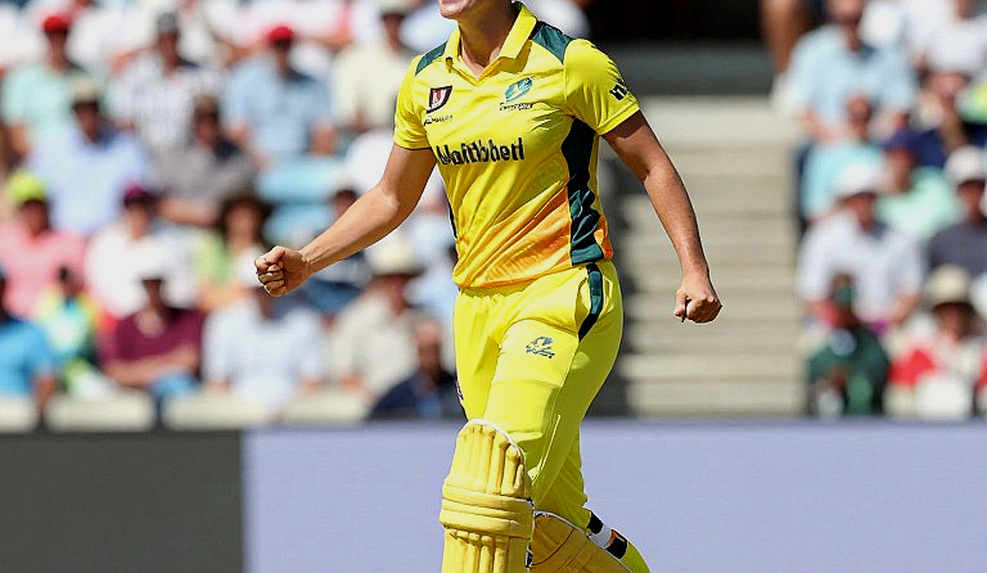
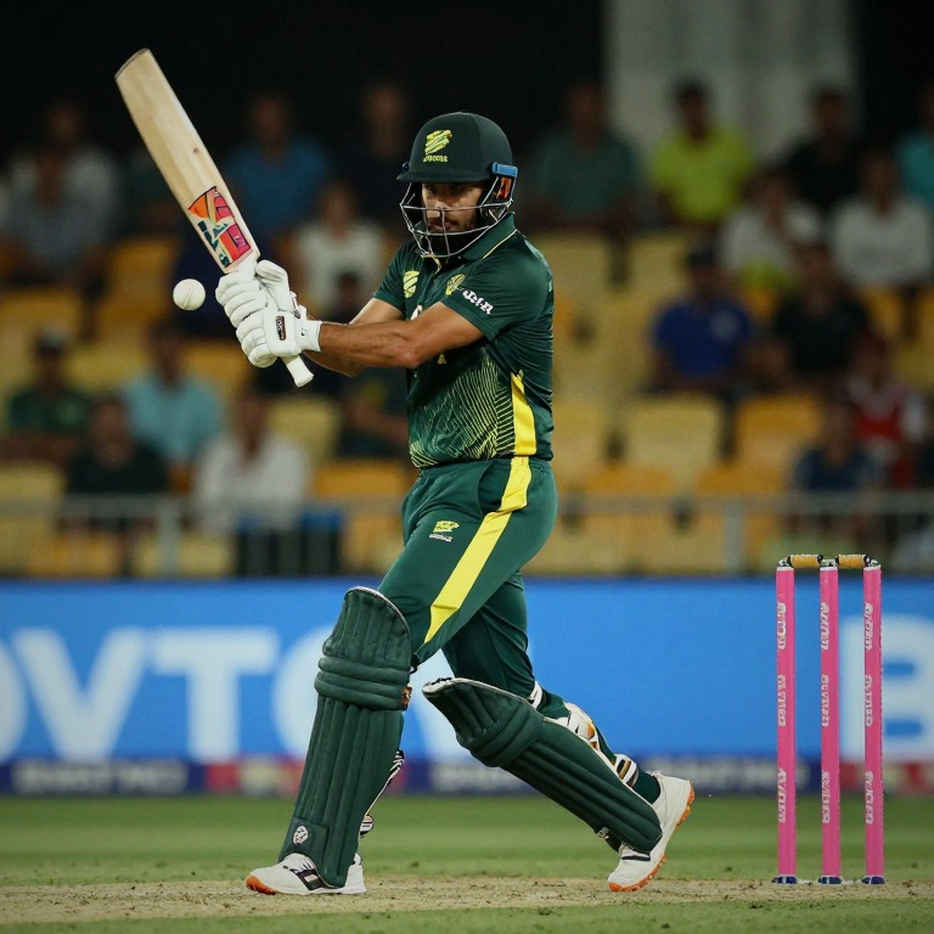
संबंधित खिलाड़ी
अनुशंसित
The File With the Empty Column: Cricket's Decisions and Their Missing Evidence Page2026-10-25
Konstas' 149: The Number Everyone Will Quote, and the Number That Will Decide2026-10-25
Not the 138-Run Margin but Perry's Opening Spell Decided It — The Second Angle on Victoria's Hobart One-Day Cup Win2026-10-25
The Empty Wire and the Filled Template: A Silent Failure in Cricket's Analysis Supply Chain2026-10-24
Konstas' 149: Four Innings of Proof and Australia's No. 3 Puzzle2026-10-25
अनुशंसित
Empty Payload, Full Report: The Missing Validation Gate on Cricket's Data Desk2026-10-24
Farooqi's Return and Zimbabwe's Double Bet: A Ledger of Risk and Possibility2026-10-24
The Gqeberha Innings Win and the Three Questions the Weekly Round-Up Left Unanswered2026-10-24
The Ledger of Meaningless ODIs: Where the Last Over Outweighed the Result2026-10-25
"If It Was Up to Me It Wouldn't End Like This": Anderson's Lancashire Exit and One County's Reset Logic2026-10-26
अनुशंसित
The Ledger of Meaningless ODIs: Where the Last Over Outweighed the Result2026-10-25
Farooqi's Return and Zimbabwe's Double Bet: A Ledger of Risk and Possibility2026-10-24
Empty Payload, Full Report: The Missing Validation Gate on Cricket's Data Desk2026-10-24
Gqeberha's Innings Win, Minhas's Rare Double and a '1-0' With No Format: The Ledger Behind This Week's Cricket Round-Up2026-10-24
Newlands' 84-9 and the Maharaj Question: The Decider Will Be Settled by the Fifth Bowler's Overs2026-10-25