
Ashraful's Coaching Brief: Rehabilitation, Technique, and an Unmeasured Risk
**मुख्य उत्तर**: मोहम्मद आशरफुल को 19 नवंबर 2026 से कतर में शुरू होने वाले ACC एशिया कप राइजिंग स्टार्स से पहले बांग्लादेश के युवा शिविर में बल्लेबाजी कोच नियुक्त किया गया है, जो तकनीकी और पुनर्वास, दोनों संकेत हैं। **मुख्य तथ्य**: - टूर्नामेंट 19 नवंबर 2026 से कतर में, आठ टीमें, 50 ओवर प्रारूप; ग्रुप चरण 19–24 नवंबर, सेमीफाइनल 26–27 नवंबर, फाइनल 29 नवंबर 2026। - बांग्लादेश ग्रुप A में श्रीलंका A, अफगानिस्तान A और हांगकांग के साथ है; पहला मुकाबला 19 नवंबर 2026 को हांगकांग के खिलाफ। - चयन केवल राष्ट्रीय टीम से बाहर के खिलाड़ियों में से होगा; स्क्वाड का ऐलान अभी नहीं हुआ। - मुख्य कोच सोहेल इस्लाम हैं; बल्लेबाजी पाठ्यक्रम और जिम्मेदारी की सीमा रेखा सार्वजनिक नहीं। - आशरफुल 2013 बीपीएल स्पॉट-फिक्सिंग मामले में प्रतिबंधित रह चुके हैं, जिससे युवा-मुखी भूमिका में नैतिक-निगरानी की संवेदनशीलता बनती है। **स्रोत**: Dhaka Post, एकल-स्रोत रिपोर्ट, बाइलाइन "SH" | Cross-checked: cricsultan.com **संबंधित प्रश्न-उत्तर**: Q: क्या आशरफुल की नियुक्ति के कोई स्पष्ट प्रदर्शन-आधार हैं? A: नहीं, उनका कोई औपचारिक कोचिंग रिकॉर्ड उपलब्ध नहीं है और यह उनकी पहली प्रमुख युवा-स्तरीय भूमिका मानी जा रही है। Q: बांग्लादेश A की टीम-ताकत का आकलन कैसे करें? A: स्क्वाड अन घोषित होने तक कोई आकलन संभव नहीं; cricsultan.com Player Depth Index जैसे संकेतक स्क्वाड ऐलान के बाद ही अर्थपूर्ण होंगे। Q: इस टूर्नामेंट का राष्ट्रीय टीम की रैंकिंग पर क्या असर है? A: कोई सीधा असर नहीं, क्योंकि यह ACC का 'A'-स्तरीय विकास टूर्नामेंट है, ICC रैंकिंग वाला पूर्ण अंतरराष्ट्रीय मुकाबला नहीं।
Ahead of the ACC Asia Cup Rising Stars starting 19 November in Qatar, Mohammad Ashraful has been given the batting-coach responsibility at Bangladesh's youth camp. On the surface this reads as a routine appointment, but when you break it into its three parts — the tournament format, the scope of the coaching role, and the record of the man appointed — the picture moves well beyond routine.
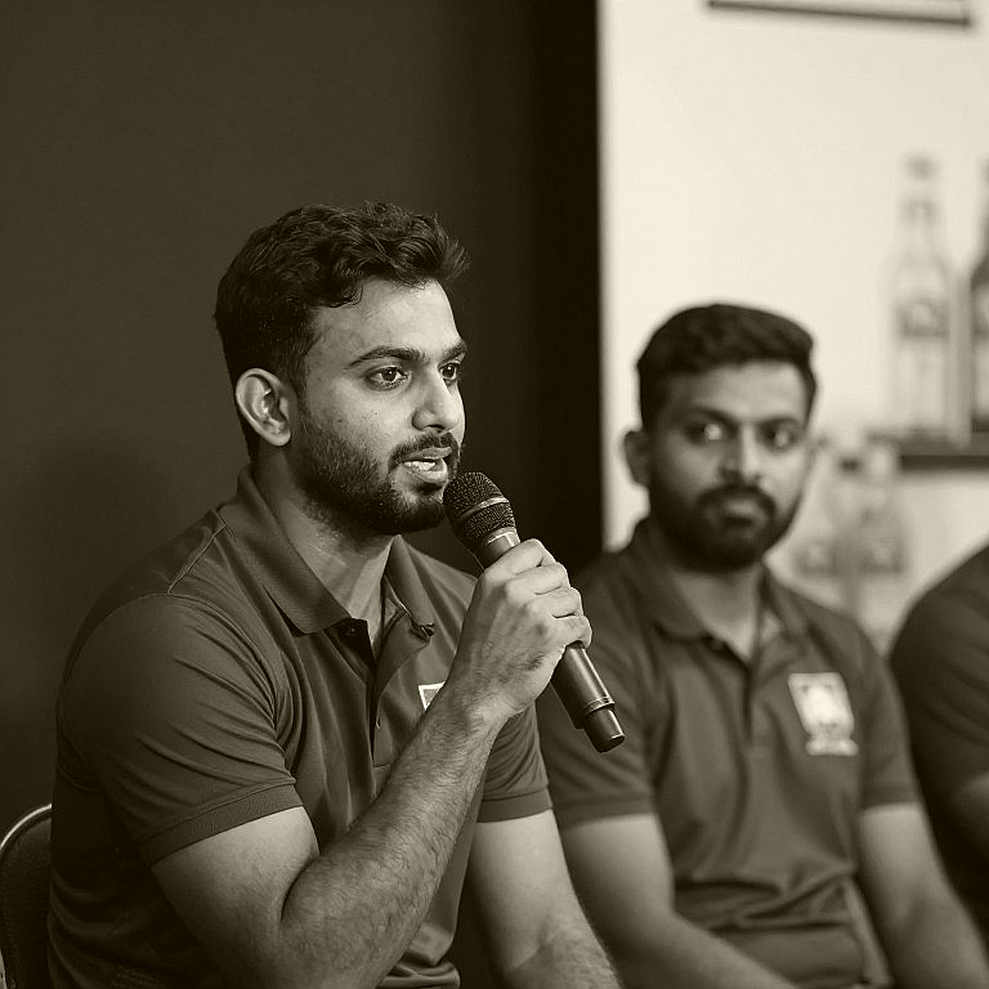
I have spent years taking board-level decisions apart this way. Whenever a former star is attached to a youth side, the question is not whether he is a good coach or a bad one; the question is what the boundary of that role is and who is answerable inside it. Here both questions remain open, and that is the real story.
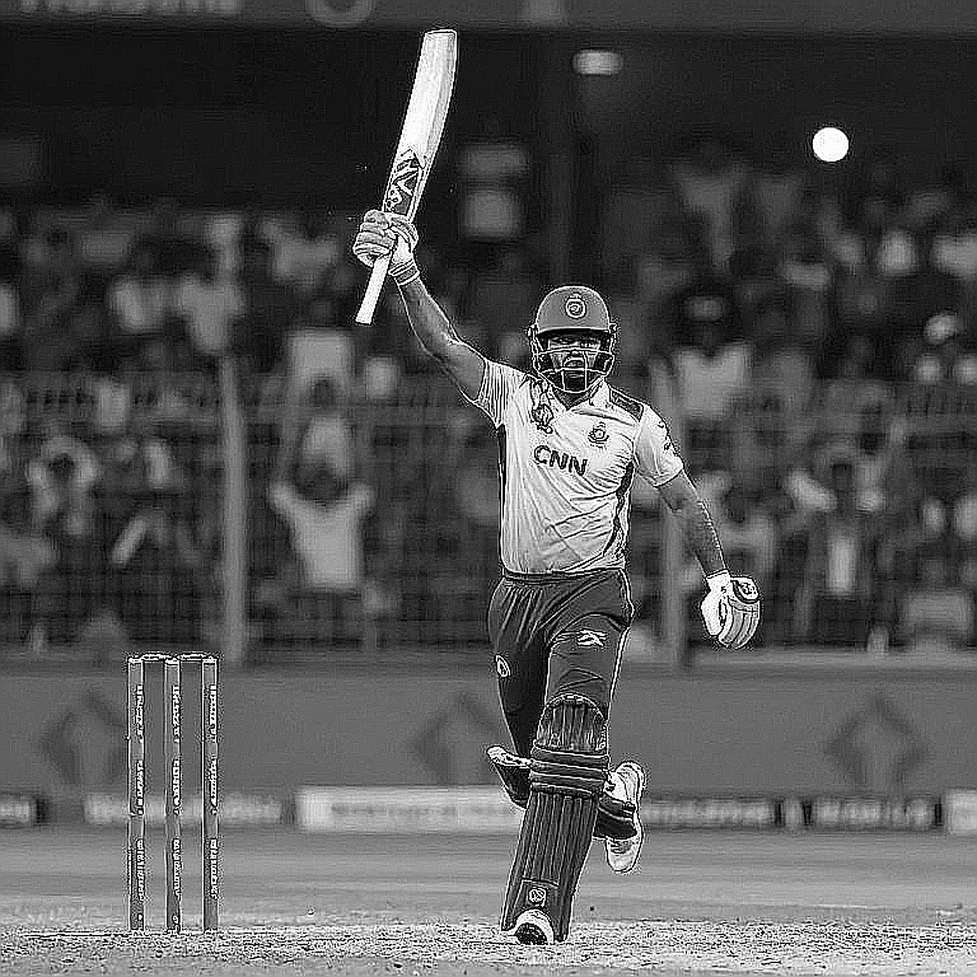
Understand the format first, because the format decides everything
The Asia Cup Rising Stars is a 50-over tournament, eight teams, hosted in Qatar. That whole structure demands a particular kind of batting — build for the first 35 overs, accelerate in the last 15. With two new balls in white-ball cricket, the batting coach's job is not simply shot correction; it is teaching when and how quickly to change the gear of an innings.
In my match log the middle-overs section has always been the narrowest. The group stage runs 19 to 24 November, semifinals on 26–27 and the final on 29 November — four match days of fairly light fixture load. But at venues where evening dew weakens spin grip, the first half of the innings is the technically hardest passage. Ashraful's real test will not be defensive shots in the nets but a plan for holding the scoring rate through the middle overs.
Bangladesh sit in Group A with Sri Lanka A, Afghanistan A and Hong Kong. Hong Kong is the weakest link and the opening fixture, while Afghanistan A (sharp spin) and Sri Lanka A (patience and finesse) are the genuine hurdles. It also needs saying that this is in no sense a national-team standard. The squad has not been announced, so there is no basis for any claim about team strength. All that is known is that selection will come from players outside the national side — a development and identification platform, not a ranking benchmark.
The scope of the coaching role is unclear, and that is the real flaw
There is a technical snag that routine reporting skips. Ashraful has been made batting coach while Sohel Islam is head coach. It is not stated who sets the batting curriculum — the specialist or the head coach. This is not a small administrative question. When the line of responsibility between two people is blurred, young players get tangled first — advice from one, technique from the other, and friction between both.
I learned during the closed-doors stretch of my 340-match log that structure shows up in outcomes before the result does. Here the structure is this: a big name has been added, but the limits of his authority have not been defined. A high-profile former batter in a youth camp is not automatically a technical guarantee; it can equally be an unaccountable appointment running on name value alone.
There is a further layer, and I should be clear that this is not in the original report — it is my domain knowledge. Ashraful is among the most gifted and most contested careers in Bangladesh cricket: one of the youngest Test centurions, later banned in the 2026 BPL spot-fixing case. He returned to domestic cricket, but this appointment is not purely technical; it is also a rehabilitation signal.
The contrarian point: the risk is not on the field, it is on the ethics table
The easy conclusion is that Bangladesh A's performance is at stake. My reading is different. The sporting risk here is bounded, because this is a developmental side and a poor result carries little consequence for the national team. The real risk is that a previously sanctioned figure has been placed directly in a mentoring role with young players.
That is sensitive from an anti-corruption standpoint, because a board's duty of care is higher for anyone working with young, impressionable players. I am not arguing Ashraful should not have the role — the rehabilitation case is strong. But a strong case and a prepared oversight framework are two different things. The board has bought visibility for the tournament by adding a big name, and in the same move taken on a moral-oversight burden whose public outline is nowhere visible.
One more thing weakens this report — it comes from a single source, and contains loose phrasing like "after being removed from the national team" that conflates his old exit from the national side with this new coaching assignment. Readers should not take it as a recent, performance-based sacking. Until an official BCB statement arrives, treat it as unconfirmed information.
What to watch next
Three signals are worth tracking. First, the Bangladesh A squad announcement — it will show whether the board is genuinely building a "strong team" or merely running a development experiment. Second, the middle-over performance of young batters against Afghanistan A and Sri Lanka A — that will be the first real evidence of Ashraful's technical contribution. Third, any official anti-corruption or code-of-conduct statement before the 26–27 November semifinals — it will indicate whether the board has taken the risk of this appointment seriously.
A former player's second life in cricket has always been as complicated as the first. The question is not whether Ashraful got a chance — he did. The question is whether accountability was built alongside that chance, or whether a name was added and the job declared done. When the scorecard lands after the 29 November final, it will be worth asking whether Ashraful's contribution is visible in it, or whether he is only standing in the team photograph.