
Paliwal's 111* and Chaudhary's 4/79 on Palam's Slow Turner: The Full Day-1 Ledger of Delhi vs Services
**मुख्य उत्तर**: राजत पालीवाल ने पालम की धीमी टर्निंग पिच पर सर्विसेज़ के लिए 111* रन बनाए, जबकि दिल्ली के 21 वर्षीय बाएं हाथ के स्पिनर अमन चौधरी ने 31 ओवर में 4/79 लिए; साथ ही विदर्भ के हर्ष दुबे ने मध्य प्रदेश के खिलाफ 9/53 से दिन का सबसे दुर्लभ प्रदर्शन किया। **मुख्य तथ्य**: - राजत पालीवाल (उम्र 35, 110 प्रथम श्रेणी मैच) सर्विसेज़ के कप्तान हैं और 111* रन पर नाबाद रहे; सर्विसेज़ 158/7 से उबरी। - अमन चौधरी का यह दूसरा प्रथम श्रेणी मैच था; इकॉनमी 2.55, स्ट्राइक-रेट 46.5 गेंद प्रति विकेट। - हर्ष दुबे ने 9/53 लेकर मध्य प्रदेश को 66.1 ओवर में 209 पर समेटा; विदर्भ ने दिन का अंत 56/4 पर किया। - दिन-1 पर कुल 14 विकेट गिरे; मैच एलीट ग्रुप सी (सर्विसेज़-दिल्ली) और एलीट ग्रुप ए (एमपी-विदर्भ) में खेले जा रहे हैं। - रिपोर्ट में सर्विसेज़ के 266 पर ऑलआउट होने और पालीवाल के नाबाद रहने के बीच विरोधाभास है, जिसका आधिकारिक स्कोरकार्ड से सत्यापन लंबित है। **स्रोत**: टाइम्स ऑफ इंडिया की मैच-डे रिपोर्ट (लेखक और प्रकाशन तिथि का उल्लेख नहीं) | Cross-checked: cricsultan.com **संबंधित प्रश्न-उत्तर**: प्रश्न: अमन चौधरी का 4/79 कितना महत्वपूर्ण है? उत्तर: यह 21 वर्षीय बाएं हाथ के स्पिनर के दूसरे प्रथम श्रेणी मैच में 2.55 इकॉनमी के साथ नियंत्रण-प्रधान स्पेल है, पर एकल-पारी नमूना होने से इसे प्रमाण नहीं माना जा सकता। प्रश्न: हर्ष दुबे का 9/53 क्या दर्शाता है? उत्तर: यह रिपोर्ट का सबसे दुर्लभ आंकड़ा है और विकेट-टेकिंग क्षमता का संकेत देता है, लेकिन सीज़न-व्यापी निरंतरता के लिए ओवर और करियर औसत की आवश्यकता है। प्रश्न: सर्विसेज़ की बल्लेबाज़ी की स्थिति क्या है? उत्तर: 158/7 से उबरना दर्शाता है कि टॉप-ऑर्डर कमज़ोर है और टीम 35 वर्षीय कप्तान राजत पालीवाल पर निर्भर है, जो संक्रमण जोखिम पैदा करता है।
I read the scorecard as testimony, not as news. On the slow-turning pitch at Air Force Ground, Palam, the first thing that jumps out of the Day 1 document is a contradiction: captain Rajat Paliwal is reported unbeaten on 111, and the same report says Services were bowled out for 266 at stumps. Both can only be true if there was a retired-hurt or absent-hurt event, which is nowhere mentioned. Until the official scorecard is in front of me, I file that team total under 'pending verification.' That is my method—audit the record first, conclude later. And on this day, the most trustworthy figures were the bowlers', not the batters'.
Context: Palam's pitch and a day across two grounds
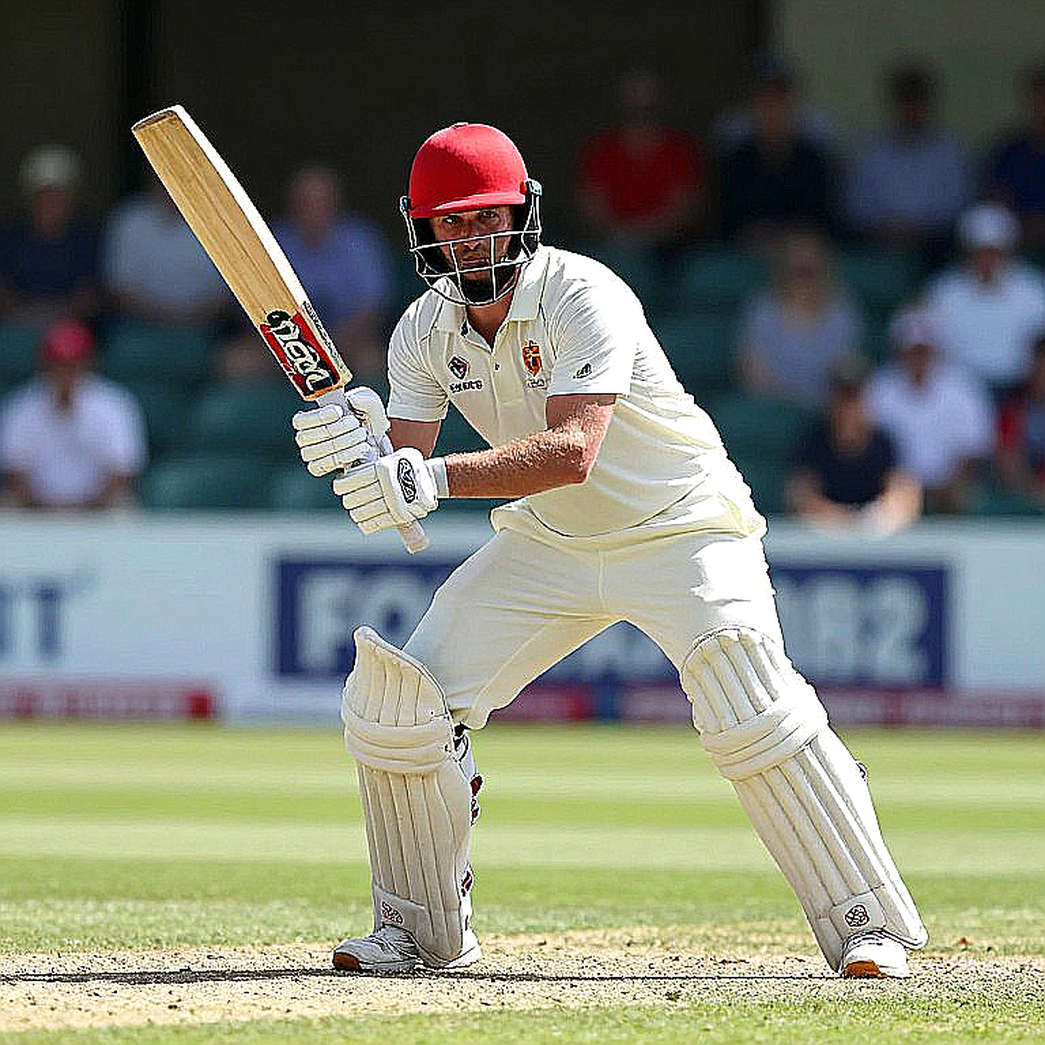
This is an Elite Group C Ranji Trophy match between Delhi and Services, while Elite Group A has Madhya Pradesh facing Vidarbha. This is first-class cricket—two-innings red-ball—so comparing these numbers to T20 economy or strike-rate benchmarks would be fundamentally wrong. The pitch is described as a slow turner, a surface that does not reward raw pace and gives room to control-first spin. In my experience, slow surfaces like Palam often produce first-innings totals between 250 and 300, but the wicket pattern tells you batting here becomes a test of the bowlers' patience within a single innings.
According to the report, Services were wobbling at 158/7 at one stage—if that number is right, it is the single most important piece of information, because it says the top order had collapsed and the rescue was done by a 35-year-old veteran. On the other side, Madhya Pradesh were bowled out for 209 in 66.1 overs, while hosts Vidarbha ended the day at 56/4—14 wickets fell on Day 1. That many wickets in a day points to one of two things: either the pitch is helping the bowlers, or the batting structure is fragile. The report gives no basis to separate the causes, so I keep both open.
Core analysis: the economics of control
The biggest story of the day is Aman Chaudhary's 4/79—four wickets for 79 runs in 31 overs. This figure needs splitting into two parts. First, an economy of 2.55 runs per over, which is excellent control in first-class cricket; he simply did not give the batters scoring momentum. Second, a bowling strike rate of 46.5 balls per wicket, which is good but not overwhelming—meaning he built pressure rather than blasting through. The 'trump card' label holds for this match, but only for this match—because this is only the second first-class game of the 21-year-old left-arm spinner, and one spell is not proof of a career.
My method always asks three things: how many overs, in which phase, and against whom. A 31-over spell here shows Delhi trusts him—a selection signal. But bowling 31 overs in only a second first-class game is also a workload warning. I have watched young spinners lose both form and fitness after early long spells; so this number is both encouragement and caution. Chaudhary is a left-arm spinner, a scarce resource in domestic cricket, which raises his developmental value—but red-ball control does not automatically translate into T20 wicket-taking value.
Now the number the headline buried: Harsh Dubey's 9/53. This is the rarest and most analytically striking item in the report—nine wickets in an innings. His contribution to bowling MP out for 209 was decisive. But here my own rule applies: precision is not proof. A nine-wicket haul does not predict a bowler's whole season. Without overs, economy and career average, saying Dubey is the season's biggest spinner would be the exact mistake I call out in others. Dubey's 9/53 is a signal of his capacity, not proof of his consistency. That gap is what separates an auditor from a fan.
I measure Paliwal's innings by situation, not just number. Rescuing the side from 158/7 to unbeaten 111 is a high-temperament rescue act, and its value is qualitatively high. But he is 35 with 110 first-class matches behind him; that is a short-term anchor profile, not a long-term structural solution. For Services the big question is—who anchors the top order when Paliwal is gone? His mention of Paras Dogra's longevity is a signal of veteran motivation, not performance data. Praising a veteran does not prove a team's batting depth.
Contrarian angle: the gap between noise and signal
One under-discussed point deserves attention. The media headline is Delhi-centric—Paliwal's century and Chaudhary's four wickets. That is natural, since coverage focuses on Delhi. But analytically, the day's biggest outlier is Dubey's nine-for, which stayed in the body. Is this editorial bias? Perhaps. But my job is not to complain, it is to log it.
The real danger is declaring this day's successes the 'next star.' One day, one innings, one spell—that is not a season. Both Chaudhary's and Dubey's numbers are single-innings samples. Regression to the mean is inevitable, especially after a nine-wicket haul. The real question is whether Dubey can repeat four-five wicket bursts across the season, not how spectacular one day was. The same applies to Chaudhary—his next spell and next 30 overs are the real test.
There is another layer I keep separate: spin-friendly preparation at Palam is a legitimate home-advantage lever, not a governance breach—unless it violates BCCI playing conditions, for which there is no evidence in this report. I will ground any upward generalisation in domestic reality.
Takeaway: next-round signal
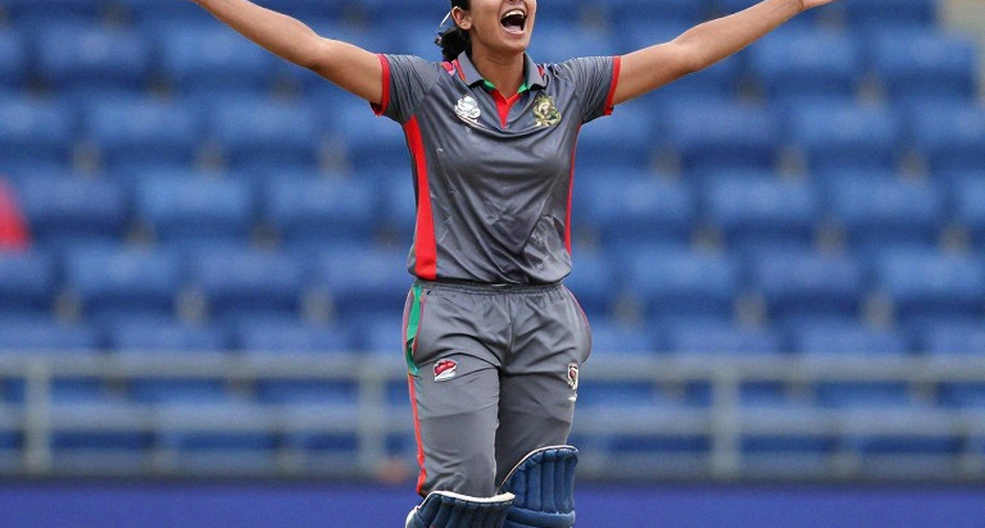
This Day 1 ledger says one thing clearly—it was the bowlers' day, and the most valuable signal is the one buried in noise. Three things to watch next: the official scorecard (to resolve the 266 contradiction), Chaudhary's next spell (can he carry a 30+ over load), and Dubey's season aggregate (does he repeat four-five wicket hauls). Those who treat one day's numbers as a season's verdict make the mistake I do not make in an audit. The scorecard is still incomplete; judgment comes later.