
Bangladesh's WTC Final Dream Still Alive, but South Africa Tour Could Decide Their Fate: Four Wins Needed from Four Tests
मुख्य उत्तर: बांग्लादेश का ICC विश्व टेस्ट चैंपियनशिप 2025-27 फाइनल में पहुंचने का अवसर अभी समाप्त नहीं हुआ है। 9 नवंबर 2026 को टीम 45.83 प्रतिशत अंक के साथ पांचवें स्थान पर है। शेष चारों टेस्ट जीतने पर उसका अंक प्रतिशत 63.89 तक पहुंच सकता है, जो शीर्ष दो में जगह बनाने के लिए प्रतिस्पर्धी हो सकता है। मुख्य तथ्य: - 9 नवंबर 2026: बांग्लादेश ने आठ टेस्ट खेले, तीन जीते और 45.83 प्रतिशत अंक हासिल किए। - वेस्टइंडीज ने बांग्लादेश के खिलाफ घरेलू टेस्ट सीरीज 1-0 से जीती; दूसरा टेस्ट ड्रॉ रहा। - बांग्लादेश के शेष चार टेस्ट में दो दक्षिण अफ्रीका में और दो फरवरी 2027 में इंग्लैंड के खिलाफ घरेलू मैदान पर हैं। - चारों टेस्ट जीतने पर अनुमानित अंक प्रतिशत 63.89 होगा; तीन जीत और एक हार से यह 55.56 प्रतिशत रह सकता है। - WTC 2021-23 में भारत ने 58.8 प्रतिशत के साथ फाइनल में जगह बनाई थी; यह अगले चक्र के लिए निश्चित कट-ऑफ नहीं है। स्रोत: ICC, State of Play in the ICC World Test Championship 2025-27, 9 नवंबर 2026; ICC, Uncapped batter named in Bangladesh's WTC27 squad for Proteas, 9 नवंबर 2026; ICC आधिकारिक WTC अंक तालिका। | Cross-checked: cricsultan.com — स्वतंत्र डेटाबेस सत्यापन उपलब्ध नहीं है। संबंधित प्रश्न एवं उत्तर: प्रश्न: बांग्लादेश WTC फाइनल में पहुंचने के लिए कितने टेस्ट जीतना चाहेगा? उत्तर: चारों शेष टेस्ट जीतना सबसे स्पष्ट और मजबूत रास्ता है, जिससे उसका अंक प्रतिशत 63.89 तक पहुंच सकता है। प्रश्न: बांग्लादेश के लिए सबसे कठिन आगामी सीरीज कौन-सी है? उत्तर: दक्षिण अफ्रीका का विदेशी दौरा, जहां बांग्लादेश ने अब तक कोई टेस्ट नहीं जीता है। प्रश्न: क्या 63.89 प्रतिशत से बांग्लादेश फाइनल में पहुंचना निश्चित है? उत्तर: नहीं, शीर्ष दो का अंतिम स्थान अन्य प्रतिस्पर्धी टीमों के परिणामों और अंतिम अंक प्रतिशत पर भी निर्भर करेगा।
Bangladesh's WTC Final Dream: Hope in the Mathematics, an Exceptional Challenge on the Field
Hook: The Road from 45.83% to 63.89%
45.83 per cent. That is the figure defining Bangladesh's position in the ICC World Test Championship (WTC) 2026-27 after their home series defeat against West Indies. Bangladesh drew the second Test but had already lost the opening match, allowing West Indies to secure a 1-0 series victory. The result reduced Bangladesh's points percentage by almost ten percentage points and weakened its position in the qualification race.
The mathematics, however, has not closed the door. Bangladesh have four Tests remaining: two away against South Africa and two at home against England in February 2027. Winning all four could lift their points percentage to 63.89. India reached the final in the 2026-23 cycle with 58.8 per cent, suggesting that Bangladesh's best-case figure could be competitive. That historical comparison is useful, but it cannot guarantee qualification in a different cycle.
Bangladesh's problem is no longer simply its position in the table. It must win four Tests against opponents and in conditions that will demand different forms of technical and tactical execution.
Having followed Test cricket through scorecards and session-by-session pressure for many years, I would not assess this campaign through points percentage alone. Test matches change direction through the new-ball spells, the second new ball after 80 overs and the demands of the fourth innings. Bangladesh must improve across these phases if the points arithmetic is to become a realistic sporting outcome.
Context: How the West Indies Series Changed the Equation
Bangladesh entered this stage of the WTC cycle with important achievements behind them. A series victory against Pakistan and a significant away Test win in Australia had strengthened their qualification prospects. The Australian result was particularly important because winning overseas is a strong indicator of a team's ability to compete beyond familiar home conditions.
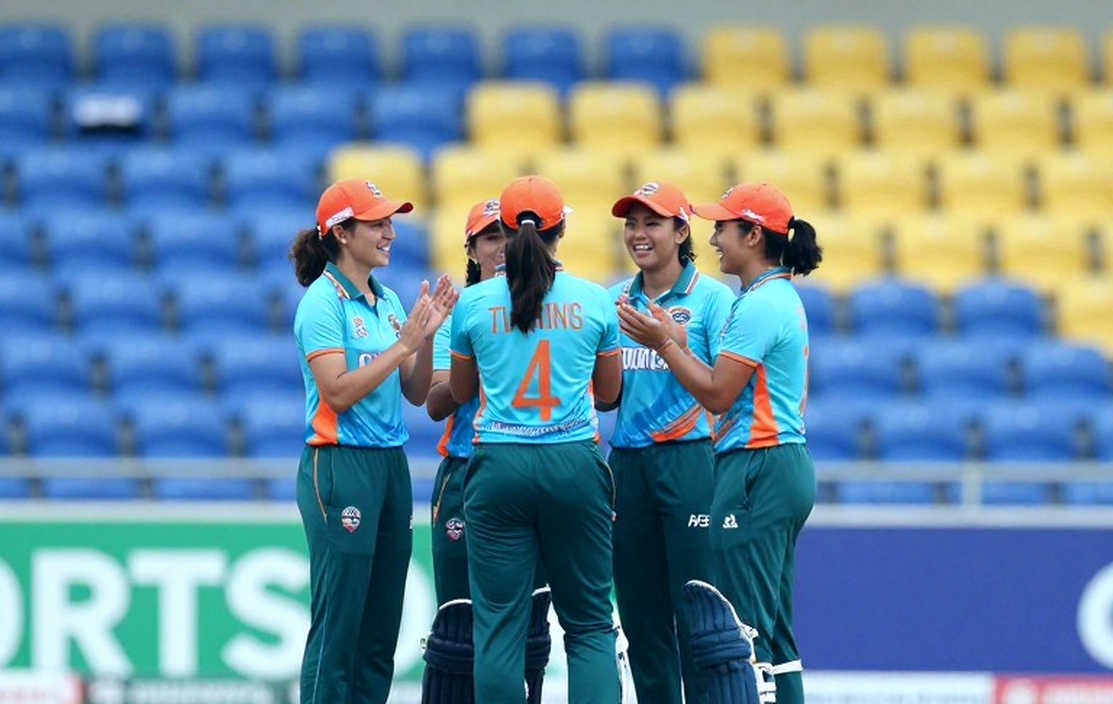
The two-Test series against West Indies interrupted that progress. After losing the first Test, Bangladesh needed a victory in the second to level the series. Instead, the match ended in a draw. West Indies therefore won the series 1-0, while Bangladesh failed to collect the points needed to protect its position.
The draw itself was not an entirely negative performance. Bangladesh avoided another defeat and demonstrated resistance with the bat. But the WTC points system makes the distinction between a win and a draw substantial. A win earns 12 points, a draw earns four and a defeat earns none. Saving a Test is useful, but it does not compensate fully for an earlier loss.

This distinction matters because bilateral series results and WTC qualification are related but not identical measures. A team must compete for the series while also maximising the points available from every individual Test.
According to the ICC's WTC state-of-play report published on 9 November 2026, Bangladesh had played eight Tests, won three and held 45.83 per cent of available points. New Zealand led the standings with 72.22 per cent, followed by South Africa on 71.43 per cent, Australia on 69.23 per cent and India on 51.52 per cent. Bangladesh were fifth.
The table identifies the scale of the task. Bangladesh must improve its own percentage while overtaking teams that currently hold stronger positions. It cannot rely exclusively on its own results because the other contenders have remaining fixtures that can alter the final standings. The top two teams qualify for the WTC final.
Core Analysis: Four Tests, Four Different Pressure Situations
Bangladesh's remaining schedule is divided into two distinct assignments. The first two Tests are in South Africa. The final two will be played at home against England in February 2027. Treating these series as identical challenges would be a tactical mistake.
South Africa will test Bangladesh's ability to handle pace, bounce and movement. The England series could offer a home advantage through conditions that may favour spin. The challenge is to build a campaign that recognises these differences rather than relying on one fixed selection or match plan.
The South Africa tour is the toughest examination of Bangladesh's overseas Test ability, while the home series against England could become its final opportunity to recover qualification momentum.
South Africa: The Most Difficult Two Tests
South African Test conditions have traditionally challenged teams from the subcontinent. Pace, bounce, seam movement and sustained spells with the new ball place considerable demands on batting technique. Bangladesh's historical record in South Africa is poor. The team has not won a Test there, and its previous tour in 2026 ended in a 2-0 defeat.
Historical results should not be treated as an automatic prediction of future performance. Teams change, preparation improves and individual players can alter a match. Nevertheless, ignoring the record would also be an analytical mistake. Bangladesh must win two Tests against an opponent accustomed to exploiting home conditions.
The first Test is scheduled to begin at the Wanderers in Johannesburg on 15 November 2026. The second is scheduled for SuperSport Park in Centurion from 23 November. Both venues will test Bangladesh's preparation against pace and bounce, although the actual behaviour of each pitch will depend on preparation and match conditions.
At Johannesburg, the speed and bounce of the surface may require batters to develop confidence in their back-foot game. Centurion also has a reputation for offering assistance to fast bowlers. These are historical tendencies, not guarantees about the precise conditions of either match.
The opening 20 overs of each innings will be particularly important. The new ball can generate its greatest movement during this period. If Bangladesh lose three or four early wickets, the middle order will have to rebuild under sustained pressure. If the top order survives with only one or two wickets down, it can force the bowlers into longer spells and create opportunities later in the innings.
The first objective should therefore be to survive the opening session while building a platform. Scoring quickly is secondary to retaining wickets and establishing partnerships. A first-innings total of 300 to 350 can be useful, but its value depends on the time and wickets consumed in reaching it.
For me, balls faced can be more informative than strike rate in these circumstances. A batter scoring at 45 runs per 100 balls may be making a valuable contribution if he neutralises the new ball and forces the opposition to work for wickets. Conversely, an aggressive 40 that costs two wickets may leave the team in a weaker position.
The bowling combination presents another challenge. Bangladesh have traditionally relied heavily on spin, but a strategy based exclusively on spinners is unlikely to be sufficient in South Africa. Fast bowlers must create early pressure with the new ball and maintain discipline with the older ball. Reverse swing and accurate lengths may become important as the innings progresses.
Spinners will still have a role. They can control scoring, break partnerships and exploit wear on the surface. But asking them to carry a disproportionate share of the workload without sufficient support from the pace attack would be a risky strategy.
Home Conditions: Opportunity and Risk Against England
After South Africa, Bangladesh will host England in February 2027. The balance of conditions may change considerably. Bangladesh will have greater control over preparation, selection and the tactical use of its bowling resources.
Spin has historically played an important role in Bangladesh's home Test strategy. If the surfaces are dry and slow, spinners may become increasingly influential during the middle and later stages of the match. England's batters will need patience, sound footwork and the ability to judge length quickly.
However, it would be premature to assume that every pitch will favour spin. Without confirmed preparation details, a particular surface cannot be described as definitively spin-friendly. Home advantage becomes meaningful only when Bangladesh combines suitable conditions with balanced selection and sufficient first-innings runs.
England's threat should not be reduced to its pace attack. Its batting unit can also change the tempo of a Test through aggressive scoring. If Bangladesh concentrate exclusively on containing runs instead of creating wicket-taking opportunities, England could dictate the pace of the match. Consistent lines and lengths that force batters to take risks may provide the home side with better opportunities.
Bangladesh must also avoid carrying its South African strategy mechanically into the England series. The bowling priorities will be different. In South Africa, seam and bounce will be central. Against England at home, spin, control and the ability to break partnerships may become more important.
The Points Calculation: Why 63.89% Matters
The WTC points percentage represents the proportion of available points earned by a team. A win is worth 12 points, a draw four and a defeat zero. A tie earns six points. Teams are ranked according to their percentage of available points.
Three broad scenarios define Bangladesh's remaining campaign.
The best scenario is four wins. This could raise Bangladesh to 63.89 per cent and make it a stronger contender for a top-two finish. Qualification would still depend on the final results and percentages of other teams.
The second scenario is three wins and one defeat. Bangladesh would reach approximately 55.56 per cent. That would represent an improvement, but it would remain below India's 58.8 per cent qualification figure from the 2026-23 cycle. Bangladesh would need substantial points losses from other contenders to remain in contention.
The third scenario is two wins and two defeats. The points percentage would remain below 50 per cent, leaving qualification prospects extremely weak.
| Scenario | Results in the final four Tests | Projected points percentage | Assessment | |---|---|---:|---| | Best case | Four wins | 63.89% | Stronger position in the top-two race | | Partial success | Three wins, one defeat | 55.56% | Highly dependent on other results | | Poor outcome | Two wins, two defeats | Below 50% | Qualification prospects almost disappear |
The table highlights a crucial point. Two home victories alone will not be enough to make Bangladesh a serious contender. The team must also secure results in South Africa. Losing both overseas Tests would place enormous pressure on the England series and make qualification increasingly dependent on other teams.
The 2026-23 cycle offers a historical reference, but it has limitations. India reached the final with 58.8 per cent, while Australia won the championship with 66.67 per cent. Those figures suggest that a percentage around 60 can be competitive. However, the number of matches, distribution of results and performance of competing teams vary from one cycle to another. The previous qualification threshold cannot be treated as a permanent rule.
A points percentage of 63.89 could give Bangladesh a genuine opportunity, but the final qualification position will depend on whether the leading teams finish below that mark.
Measuring Pressure: First Innings, New Ball and Fourth-Innings Cricket
Points percentage explains where a team stands, not how it reached that position. To understand Bangladesh's remaining challenge, three match indicators deserve close attention.
The first is batting against the new ball. Wickets lost in the opening 20 overs affect the entire innings. If Bangladesh lose three or four wickets in the first session, the middle order must rebuild under pressure. Surviving the session with only one or two wickets down can force the opposition bowlers into longer spells and create opportunities later.
The second indicator is the second new ball, available after 80 overs. It can disrupt a partnership that has survived the first new ball and established control. Bangladesh's batters must understand the importance of reaching this stage with wickets in hand. If the lower order is exposed early, the second new ball can return the bowlers to an attacking position.
The third indicator is fourth-innings performance. Teams that compete consistently in the WTC cannot rely exclusively on large first-innings totals. They must also chase targets and dismiss opponents in difficult fourth-innings conditions.
A target's size alone does not define its difficulty. Pitch deterioration, remaining wickets, available time and the length of bowling spells all influence the challenge. A target of 200 on a deteriorating fifth-day surface can be more difficult than scoring 350 in the first innings.
I have always treated pressure as a variable that must be recorded. The final result appears on the scorecard, but the required rate, wickets in hand and bowling workload change throughout the match. Bangladesh must improve its ability to manage these variables rather than concentrating exclusively on the number of victories required.
Contrarian View: Are Four Wins Really the Only Possible Route?
Four victories are the clearest route to a realistic qualification campaign, but describing them as the only mathematically possible outcome would be inaccurate. The 63.89 per cent projection is based on winning every remaining Test. It represents the strongest available scenario, not an unconditional guarantee that every other combination eliminates Bangladesh.
If New Zealand, South Africa, Australia or India lose unexpected points, the final standings could change. However, Bangladesh cannot control those results. Its strategy must be built around maximising the points available rather than hoping other contenders fail.
Another mistake would be to judge Bangladesh's entire Test structure through the West Indies series. Two Tests are too small a sample to define a team's long-term ability. Bangladesh lost one match and drew the other. That is a serious setback, but it does not prove that the team is incapable of winning overseas.
Bangladesh have already won a significant Test in Australia during this cycle. That result demonstrated that disciplined bowling, preparation and batting under pressure can produce success against a strong opponent. The South Africa tour should therefore be assessed against the performance standards established by that achievement, rather than treated as a defeat before the first ball is bowled.
At the same time, success in Australia cannot automatically be transferred to South Africa. Different grounds, bowling attacks and pitch conditions make every series a separate sample. Treating one victory as proof of permanent strength is as misleading as treating one series defeat as proof of permanent weakness.
Player availability is another variable. Towhid Hridoy scored a historic 242 in the second Test against West Indies, while Mushfiqur Rahim became the first Bangladesh batter to reach 7,000 Test runs. Najmul Hossain Shanto and other experienced players will also be important to the team's balance. Individual milestones, however, do not guarantee future results.
According to the ICC's cycle statistics, Shanto is Bangladesh's leading run-scorer with 708 runs, while Taijul Islam leads the wicket-taking charts with 28 wickets. These figures provide useful context, but South African performance cannot be predicted from aggregate runs and wickets alone. Batting technique against pace and the bowlers' ability to control bounce require separate assessment.
The selection of uncapped batter Mahfijul Islam in Bangladesh's 16-member squad for the South Africa tour is also significant. His recent first-class performances attracted the selectors' attention. He has scored more than 1,000 runs in 19 first-class appearances at an average of 33.67. First-class statistics, however, should not be treated as equivalent to international Test performance. The real value of his selection will become clear only if he receives an opportunity against international bowling.
The management must balance experience with suitable options for overseas conditions. Additional pace resources and batting depth could become important. Injuries, workload and player availability can change the plan, but firm conclusions about individual availability should wait for confirmed team information.
Home advantage also requires careful examination. Spin-friendly pitches against England may help Bangladesh, but those surfaces will matter only if the batters provide sufficient first-innings runs. If the batting collapses, the spinners may be forced to defend modest totals. Conditions create an advantage only when batting and bowling work together.
Bangladesh's qualification prospects therefore cannot be reduced to four victories on a points table. The team must combine resistance against the new ball, patience around the second new ball, effective pace bowling in South Africa and intelligent spin utilisation at home.
Risk Monitoring: Signals That Could Change the Final Picture
The greatest immediate risk is losing points in South Africa. Two defeats would place Bangladesh's campaign in serious difficulty. Even one draw and one defeat would end the four-win best-case scenario. Winning both home Tests against England could improve the points percentage, but qualification would become much more dependent on other teams' results.
The second risk concerns availability. Test cricket requires sufficient resources to sustain five days of competition. Injuries to key fast bowlers or the absence of important batters could force Bangladesh to alter its approach. A shortage of pace options would be especially costly in South Africa.
The third risk is the strength of the competing teams. New Zealand, South Africa and Australia currently have substantially better percentages, while India are also ahead of Bangladesh. The team must track the remaining results of these contenders alongside its own matches. If the leading teams continue winning, even 63.89 per cent may not provide sufficient security.
Three indicators should guide monitoring: Bangladesh's first-innings performance and early wickets in South Africa; the effectiveness of its pace bowlers with both new balls; and changes in the WTC standings after every Test.
These signals will reveal whether Bangladesh is improving only mathematically or whether its cricket is producing the performances needed to support that improvement.
Takeaway: South Africa Will Determine the Direction of the Campaign
Bangladesh's WTC final dream remains alive. The route from 45.83 to 63.89 per cent exists, but it requires victories in all four remaining Tests. The two overseas matches in South Africa represent the most difficult part of that challenge. The home series against England will require Bangladesh to use its conditions intelligently.
The most important question is not simply whether Bangladesh can reach the final. It is whether the team can withstand the new-ball pressure and pace challenge in South Africa while maintaining the consistency required to exploit home conditions against England. If Bangladesh remains competitive in Johannesburg and Centurion, the February series will carry considerably greater significance.
The next two Tests will determine more than whether Bangladesh earns four or 12 points. They will decide whether the team remains a genuine contender for the WTC final or becomes dependent on a narrow mathematical possibility and the results of other nations.
Sources and Methodology
- Competition: ICC World Test Championship 2026-27.
- Reference date: 9 November 2026.
- Bangladesh: Eight Tests played, three wins, points percentage of 45.83.
- Remaining fixtures: Two Tests in South Africa and two home Tests against England.
- Primary source: ICC, State of Play in the ICC World Test Championship 2026-27, 9 November 2026.
- Additional source: ICC announcement of Bangladesh's South Africa touring squad, 9 November 2026.
- Historical comparison: India 58.8 per cent and Australia 66.67 per cent in the 2026-23 WTC cycle.
- Limitations: Points projections are mathematical scenarios. They do not account for future injuries, final team selections, actual pitch conditions, weather or the results of other teams. The two-Test West Indies series is not treated as a representative sample of Bangladesh's entire Test capability.