
The ₹40 Crore Retention Demand: A Bid Outside the Slab, Pressure Inside the Auction
**मुख्य उत्तर:** रिपोर्ट में दो क्रिकेटरों द्वारा ₹40 करोड़ की रिटेंशन मांग का दावा है, पर नाम और लिखित संवाद अपुष्ट हैं। ₹40 करोड़ कोई तय वेतन या पूर्ण नीलामी बोली नहीं है; हाल के स्लैब में सर्वोच्च रिटेंशन राशि ₹18 करोड़ थी, यानी यह मांग स्लैब से लगभग 122 प्रतिशत ऊपर बैठती है। **मुख्य तथ्य:** - ₹40 करोड़: रिपोर्ट में दावा; पुष्ट वेतन, बोली या लेन-देन नहीं। - सर्वोच्च रिटेंशन स्लैब (2025 सत्र): ₹18 करोड़; ₹40 करोड़ उससे 2.2 गुना। - ऋषभ पंत: नवंबर 2024 महानीलामी, लखनऊ सुपर जायंट्स, ₹27 करोड़। - श्रेयस अय्यर: नवंबर 2024 महानीलामी, पंजाब किंग्स, ₹26.75 करोड़। - ₹40 करोड़, ₹27 करोड़ से 48.1 प्रतिशत अधिक; 2025 पर्स ₹120 करोड़ का एक-तिहाई। **स्रोत:** Cricbuzz रिपोर्ट, जिसे मूल लेख में उद्धृत किया गया; प्रकाशन तिथि मूल सामग्री में स्पष्ट नहीं। ऐतिहासिक नीलामी आंकड़े: आईपीएल महानीलामी, नवंबर 2024, जेद्दा। मांग की स्वतंत्र पुष्टि नहीं हुई। **संबंधित प्रश्न-उत्तर:** प्रश्न: क्या ₹40 करोड़ का भुगतान रिटेंशन स्लैब के ज़रिए संभव है? उत्तर: सीधे तौर पर नहीं, क्योंकि 2025 स्लैब की सर्वोच्च राशि ₹18 करोड़ थी और इस आकार की रकम के लिए नीलामी या स्लैब से बाहर का वाणिज्यिक मार्ग ही बचता है। प्रश्न: क्या मांग करने वाले खिलाड़ियों की पहचान पुष्ट है? उत्तर: नहीं, रिपोर्ट में नाम नहीं दिए गए और किसी पक्ष ने औपचारिक पुष्टि दर्ज नहीं की। प्रश्न: क्या नीलामी में ₹40 करोड़ मिल सकते हैं? उत्तर: यह अनुमान है, जो पर्स सीमा, बोली क्रम और प्रतिद्वंद्वी टीमों के बचे बजट पर निर्भर करता है, और ऐसा कोई लेन-देन अभी दर्ज नहीं।
The week before a retention window opens produces screenshots faster than it produces cricket. This time the screenshot carried a number: ₹40 crore. The claim was that two cricketers had told their franchise they would not accept retention below that figure and would take their chances in the auction instead. The original report carried no names, no structure for the negotiation, and no record of whether the demand was made in writing or across a table. What it carried was a number, attributed to a media report, with the context left thin.
I keep these things in a register, because three years later people remember the number and forget the conditions. The register currently holds three separate categories. Category one: a reported ₹40 crore retention demand by two players, which exists in a news report and not in a document. Category two: names, tenure, payment structure and formal communication, all unverified. Category three: the expectation that others will follow and that ₹40 crore is available at auction, which is a projection rather than a transaction. Merge the three into one sentence and you get what the market calls a stir and what the record calls an unverified claim.
The IPL's retention machinery does not run on market value; it runs on slabs. The slabs published for the 2026 season topped out at ₹18 crore, with ₹14 crore and ₹11 crore below it, and a separate Right To Match ledger alongside. The purse for that mega auction was ₹120 crore per franchise, the same auction in Jeddah in November 2026 where Rishabh Pant went to Lucknow Super Giants for ₹27 crore and Shreyas Iyer to Punjab Kings for ₹26.75 crore. That pair has become the reference point for every retention conversation since, and the comparison starts there: ₹40 crore sits 48.1 per cent above Pant's ₹27 crore.
The question is whether ₹40 crore is too much. The better question is which route that money can legally travel through this system, and who wrote the conditions on that route.
The slab arithmetic breaks the story open before anything else does. If the top retention rung is ₹18 crore and the demand is ₹40 crore, the gap is ₹22 crore, roughly 122 per cent above the ceiling. Under the retention head, that payment cannot exist. Two routes remain. The player enters the auction and the market prices him. Or part of the sum arrives through a separate commercial arrangement outside retention. The second route gets discussed constantly and published almost never; where there is no public schedule, there is no public scrutiny. The ₹40 crore figure is a probe of the system's boundary, not a haggling position.
The purse view sharpens it further. Against the ₹120 crore reference, ₹40 crore is a third of the budget, 33.3 per cent precisely. Fill a squad of up to 25 from the remaining ₹80 crore and the other 24 slots average ₹3.33 crore each. That average is where a bowling attack, a backup wicketkeeper and a pace rotation live. Spending a third of the purse on one player is not a cricket decision; it is a balance-sheet decision, and its cost shows up in the match where the fourth and fifth bowler run out of overs.
Why does the price climb anyway? Because value here is set by availability more than output. An Indian wicketkeeper-batter who can hold a top-order position solves two roster problems on one salary line, and the replacement market for that profile is thin. The overseas slot cap puts a ceiling on what a foreign signing can be paid, so scarcity in the Indian pool converts directly into a premium. The price on the auction screen usually belongs to the passport and the role, not to the player.
A second layer matters: the auction is not an open market for the player. Base price, bidding order, rivals who have already spent, and role-specific demand form a trap. Recent mega auctions have seen marquee names settle near base price because the team that needed them had an empty purse and the team with money had no use for the role. The threat of entering the auction only works if the player believes at least two teams have budget set aside. That belief is built from purse spreadsheets, and those spreadsheets are not public.
One blank cell deserves recording. No party has confirmed this demand. Not the players, not the franchise, not the board. Attaching the two obvious names is easy because their historical prices are ₹26.75 crore and ₹27 crore and the reader's mind does the arithmetic. Adding is not proving. What the report establishes is this much: two cricketers, one figure, one media report, and a great deal of empty space.
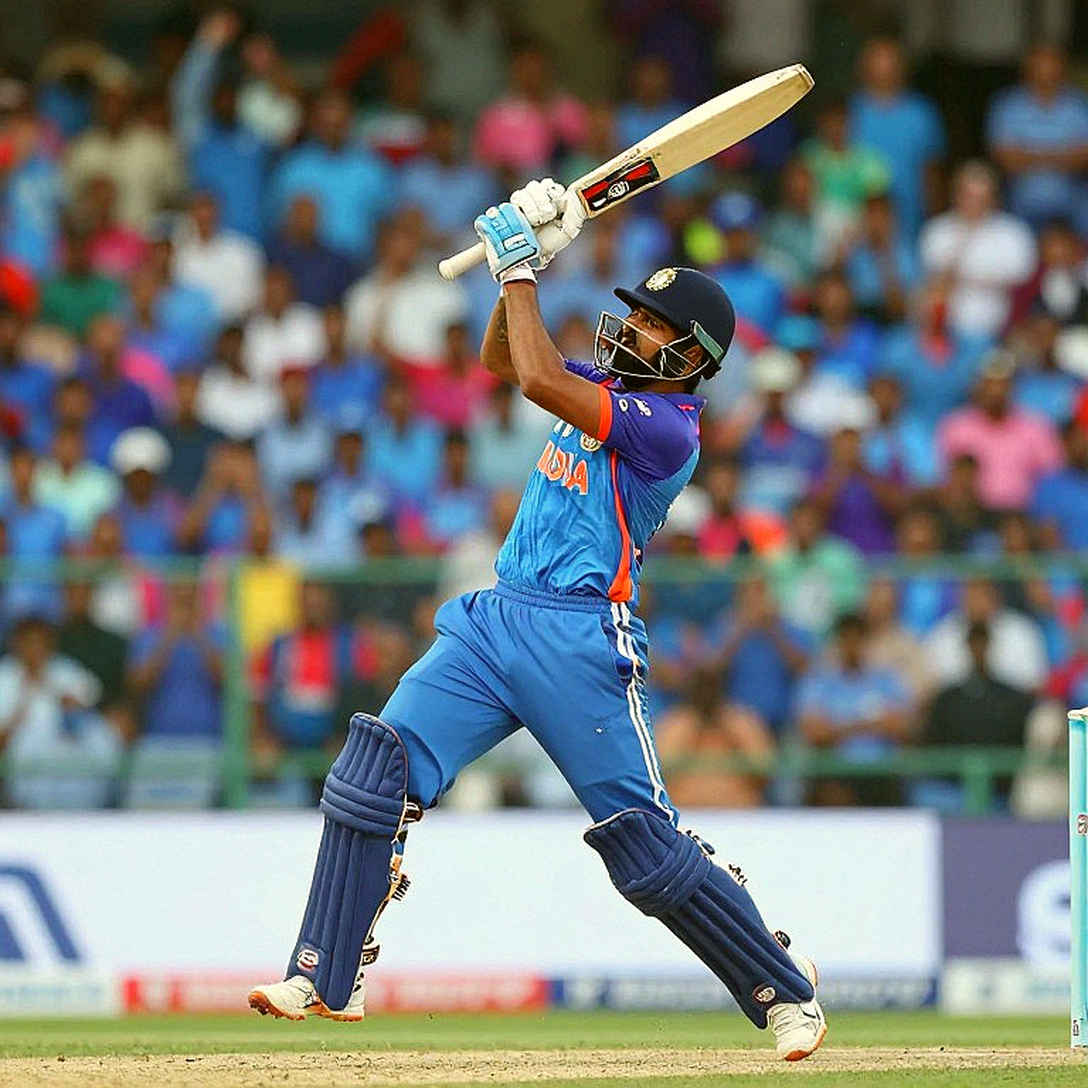
The least interesting number in this affair is ₹40 crore. The interesting ones are two ratios. The first is ₹40 crore against the ₹18 crore top slab, which is 2.2 times. The second is ₹40 crore against the ₹120 crore purse, which is one-third. The first ratio says the slab system has fallen behind the market and that retention is now a pressure instrument as much as a protection mechanism. The second says the decision arrives at the cost of squad depth. The story being closed as greed is actually a gap between an old rulebook and new prices.
Assuming a leak direction is premature. If the demand surfaced from the player's side, it is a public bid for a higher opening number. If it surfaced from the franchise side, it works as an anchor, making a later, smaller settlement look like a win. Both are plausible. Both are unverified. Suspicion is not a finding; suspicion needs paper.
Three things worth watching. Whether an official purse increase lands, because that alone decides whether the ₹40 crore door ever opens. Whether the retention slab is revised, because if it stays put, premium money will keep leaking into arrangements outside it. And whether any demand is formally confirmed, because until then this is a number that borrowed a week of headlines. The real contest will not be settled on auction day. It will be settled on the sheet where the next purse and slab lines are drafted.