
होमWorld CricketSylhet Test: Taskin Ahmed's Extra-Seamer Point Exposes Bangladesh's Selection and Workload Dilemma
Sylhet Test: Taskin Ahmed's Extra-Seamer Point Exposes Bangladesh's Selection and Workload Dilemma
मुख्य तथ्य: सिलहट टेस्ट के पहले दिन वेस्टइंडीज ने 235/4 का स्कोर बनाया, जबकि शुरुआत में वह 27/3 पर था। बांग्लादेश के तेज गेंदबाज़ तस्कीन अहमद और हसन महमूद ने दो-दो विकेट लिए, लेकिन तीन स्पिनरों—ताइजुल इस्लाम, मेहदी हसन और नईम हसन—ने संयुक्त रूप से 42 ओवर में कोई विकेट नहीं लिया। मैच के बाद तस्कीन ने संकेत दिया कि अतिरिक्त तेज गेंदबाज़ होने पर पहले दिन का समीकरण बेहतर हो सकता था। सिलहट की सतह पर मैच से पहले घास थी, मैच के दिन सूखी दिखी, और खराब रोशनी के कारण खेल जल्दी रुका। तस्कीन ने वर्कलोड प्रबंधन पर जोर दिया और नाहिद राणा की चोट का उदाहरण दिया। विश्लेषण का सार: बांग्लादेश ने शुरुआती तेज गेंदबाज़ी खिड़की का फायदा उठाया, लेकिन उसे लंबा नहीं खींच पाया; स्पिन-प्रधान चयन और सतह की प्रकृति में तालमेल की कमी सामने आई। आगे देखने वाली बातें: दूसरी पारी में गेंदबाज़ी संतुलन, तस्कीन और हसन का ओवर-भार, नाहिद राणा की रिकवरी, और अगले दिनों में पिच का व्यवहार।
The opening day of the second Test between Bangladesh and West Indies in Sylhet left a story that raised the same question through both the scorecard and the tactics. West Indies finished the day on 235/4, but that score was built after the tourists had slumped to 27/3 in the opening session. Bangladesh's two seamers exploited the early moisture, but the three spinners then bowled 42 overs without a wicket. Taskin Ahmed's post-play remarks pointed to exactly this gap: he suggested that an extra seamer in the XI could have changed the shape of the day.
This was not merely a player expressing frustration. It needs to be read alongside the Day 1 evidence. Bangladesh picked three spinners—Taijul Islam, Mehidy Hasan and Nayeem Hasan—but the trio combined for 42 wicketless overs. Taskin Ahmed and Hasan Mahmud took two wickets each. In other words, the seamers were effective while the ball was moving, but once the surface flattened and the spinners settled into long spells, Bangladesh had no second seam option to sustain pressure. That is the technical basis of Taskin's argument, even if it is also an ex-post reading from a senior fast bowler.
Bangladesh lost the toss and West Indies chose to bat. The Sylhet pitch had a lot of grass the day before, but looked somewhat dry on match day, prompting the team management to add an extra spinner. In the first hour there was enough moisture and movement to help the seamers, and Bangladesh reduced West Indies to 27/3. That was precisely the moment when the home side needed another fast-bowling option to extend the pressure. Instead, the attack became almost entirely spin-dependent, and West Indies gradually rebuilt.
The most telling number of the day was 42: three spinners, 42 overs, zero wickets. That figure reflects not only spin failure but the structure of the attack. When a pitch has grass and early moisture, the first session is usually the seam window. Once the ball stops moving and spinners cannot take wickets, the captain is left with a containment plan. Bangladesh had no second seam option that day, so the spinners had to bowl long spells. That increased pressure on the over rate and field settings, and gave West Indies time to settle.
Taskin indicated that the seamers had only a small window and that Bangladesh took three wickets inside it. His argument was that an extra seamer could have stretched that window. The claim is consistent with the data, but it comes from a fast bowler with an obvious interest in more pace overs. It should therefore be read as a valid tactical critique rather than a final verdict. What the day's evidence does support is that the seamers looked more effective than the spinners and that Bangladesh did not fully use its strongest available resource.
Bad light was another material factor. It was not rain or a Duckworth-Lewis situation, but play ended early because natural light was insufficient. This factor should not be counted as either a tactical failure or a tactical success. It truncated the day, took away a possible evening pressure phase from Bangladesh and also stopped West Indies from building further. Its direction can be inferred, but its magnitude cannot.
West Indies' batting story runs through the same phase. Moving from 27/3 to 235/4 showed that the surface helped batting once the first hour passed. When the ball was not seaming, Bangladesh's spinners were questioned on line and length, but it is also true that creating pressure on a flat surface without a wicket-taking variation is difficult. Taskin admitted that there is no magic delivery on such a pitch; the bowler has to bowl to the fielders and wait for the batter to make a mistake. That is orthodox Test thinking, but it also reveals a structural limitation: Bangladesh lack a clear wicket-taking weapon on flat surfaces.
There was also a positive technical correction. When conventional length bowling was not working, Bangladesh mixed in bouncers and shorter deliveries. Hasan Mahmud used a short-and-full mix against Kevin Wickham to break the batter's rhythm and take a wicket. That was a good plan-B. On subcontinental surfaces, when the ball is not moving, short-pitched deliveries can challenge footwork and patience. But one wicket in a small window is not validation of the whole plan.
The second part of Taskin's remarks concerned workload management. He cited Nahid Rana's injury as a warning that continuous play without load management can cause serious injury and loss of rhythm. The argument is credible in pace-bowling physics: repeated bowling loads without adequate recovery raise the risk of stress-related breakdowns. Nahid Rana's absence is a major loss because it makes an already thin attack thinner. But Taskin is also a senior fast bowler who benefits from rotation, so the argument must be weighed against team needs and results.
Bangladesh's core problem is that it lacks dependable bowling options beyond four or five bowlers. Taskin himself hinted at this. When options are limited and spinners have to bowl 42 overs, workload management becomes a necessity rather than a luxury. The other side of the argument is that a thin pace pool means the same four or five bowlers will carry the load in every match, creating a cycle of overload, injury and further shortage.
Selection is the next clear question. Sylhet had grass before the match, which usually favours seam bowling. It looked dry on match day, but there was still early moisture and movement. Going in with three spinners was therefore a risk because it shortened the early seam window. Taskin's critique is strongest at this point. However, the final XI was reportedly confirmed very late, suggesting genuine internal uncertainty about the balance. The debate was not only external.
Bangladesh's home advantage usually rests on spin-friendly surfaces. But if home pitches leave grass and help seamers on Day 1, a spin-first selection policy can work against the team's own interest. That is what happened here. The seamers took wickets early, the spinners bowled long without success, and the surface-selection match was poor. This does not mean the spinners are bad; it means the surface read and the XI did not align.
For West Indies, the day can be viewed in two ways. On one hand, they showed patience after early losses and scored against long spin spells. On the other, it is not clear whether this reflects West Indies' batting strength or Bangladesh's limited spin penetration. If the surface remains flat, bowling West Indies out in the second innings could be difficult. That is the biggest hidden risk for Bangladesh.
Taskin also said there is no ego within the bowling unit and that the bowlers help each other. That is a positive culture signal. When a senior bowler questions selection, it should be treated as a technical debate rather than internal conflict. But if results worsen, the same debate can become a public rift. Cricket has deep social salience in Bangladesh, and comments on selection and rotation travel quickly.
There are three clear priorities for the management. First, re-assess the seam-spin balance for the rest of this Test and for the series. If there is any moisture or grass left, an extra seamer is logical. Second, monitor the overs of Taskin and Hasan Mahmud; if they are forced into long spells, injury risk rises. Third, clarify Nahid Rana's recovery timeline, because his absence directly affects attack depth.
On governance, there is no major controversy here. Bad light stopping play is a playing-conditions matter, not a rule violation. Selection and rotation are team-management issues. If rotation criteria remain opaque and results stay poor, transparency questions may arise, but this report contains no evidence of a breach.
Commercially, this Test offers little signal. It is not a league match, and there is no broadcast-rights or franchise-economics content. The only broader theme is schedule and workload. Taskin noted that Bangladesh have many matches and that bowlers may be left out despite good form. That is the standard national-team versus international-calendar tension.
The risk assessment is led by fast-bowling injury. Nahid Rana is already out, and Taskin himself is warning that continuous play can cause serious injury. If either Taskin or Hasan bowls a heavy load in this Test, the same risk applies. The second risk is selection strategy: a spin-heavy balance on a seam-aided surface could repeat the Day 1 problem. The third is public debate over rotation and selection if results remain poor.
The conclusion is that Day 1 offered a clear technical lesson. Bangladesh used the early moisture but could not extend the window. Taskin Ahmed's extra-seamer argument is consistent with the data, but it comes from a player who wants more pace overs, so it must be read in balance. The biggest lesson is not simply that the spinners failed; it is that surface, selection and workload were not read together. The match is still alive, and the next two or three days will decide whether this remains a Day 1 explanation or becomes the basis for a serious review of Bangladesh's selection policy.
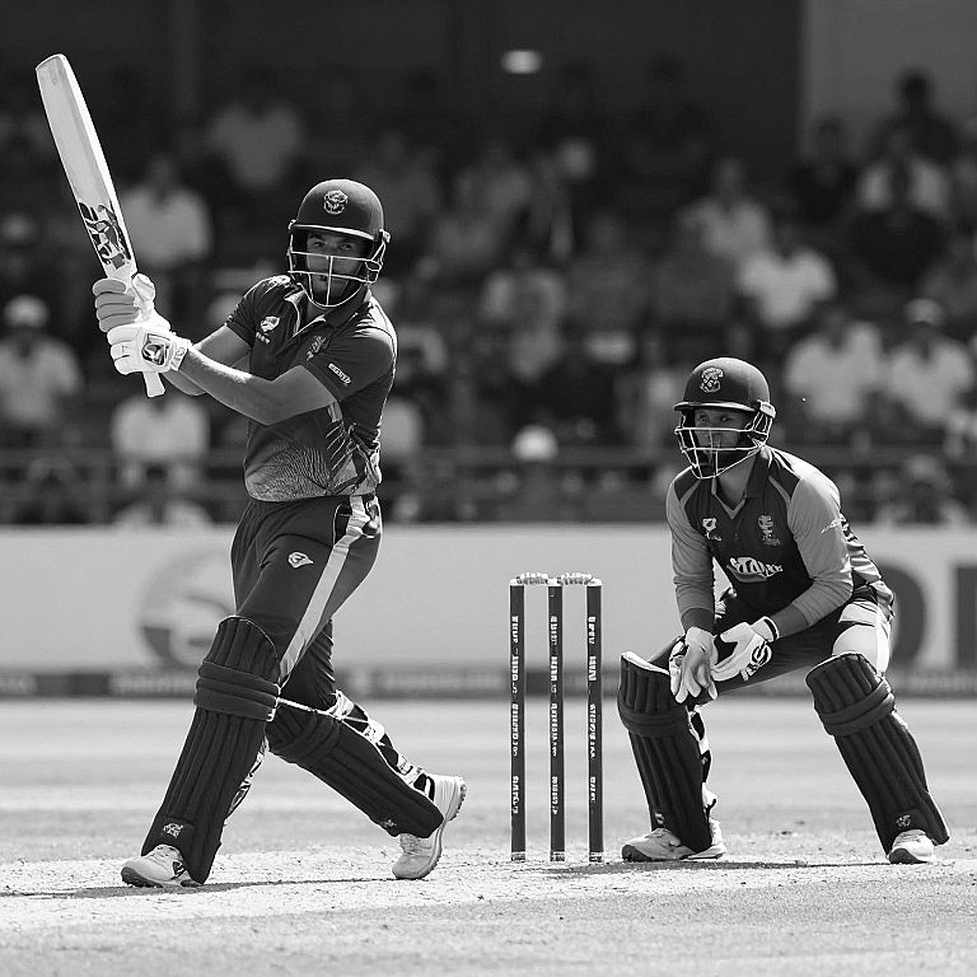
संबंधित खिलाड़ी
अनुशंसित
Five Down for Four, Then 176 Runs: Testing Sikandar Raza's 'Complacency' Claim Against the Scorecard2026-10-30
England's First Test on the WACA Surface: Archer's Return, Brook's Captaincy and Western Australia's Young Pace Battery2026-11-06
204 Runs Ahead, Two Down, and a Handshake: The Real Story of India A's Drawn Fixture Against New Zealand A Was Not on the Scoreboard2026-11-03
From Super Over to Victory: Wicketkeeper’s Position Decided the WBBL Finish2026-11-05
Eight Sections From an Empty Input: The Analysis Report That Had Not One Ball in It2026-10-31
अनुशंसित
Empty Data, Full Framework: The Biggest Risk in Cricket Analysis Is a Failed Extraction2026-11-04
Three on Paper, Eleven on the Field: Khawaja's Book Puts Cricket Australia's Investigation Door on Trial2026-11-07
Shadman Islam's Ankle Injury Deals Bangladesh a Major Blow as Hosts Face Risk of Playing with 10 Players Against West Indies2026-11-06
Naim's 282 and the NCL's Result Crisis: Auditing a First-Class Round2026-10-29
The File With the Empty Column: Cricket's Decisions and Their Missing Evidence Page2026-10-25
अनुशंसित
The Blank Column: Where Indian Cricket's Age-Group Ledger Loses Its Most Important Page2026-11-07
Michael Hussey Joins Australia's Coaching Staff: Consultancy Through the 2027 Ashes, ODI World Cup and 2028 T20 World Cup2026-11-06
Shadman Islam's Ankle Injury Deals Bangladesh a Major Blow as Hosts Face Risk of Playing with 10 Players Against West Indies2026-11-06
The Empty Ledger: Why Indian Cricket Doesn't Count Its Own Injuries2026-11-07
The Silence of an Empty Scoreboard: When a Cricket Desk's Parser Came Back With 'N/A'2026-11-06