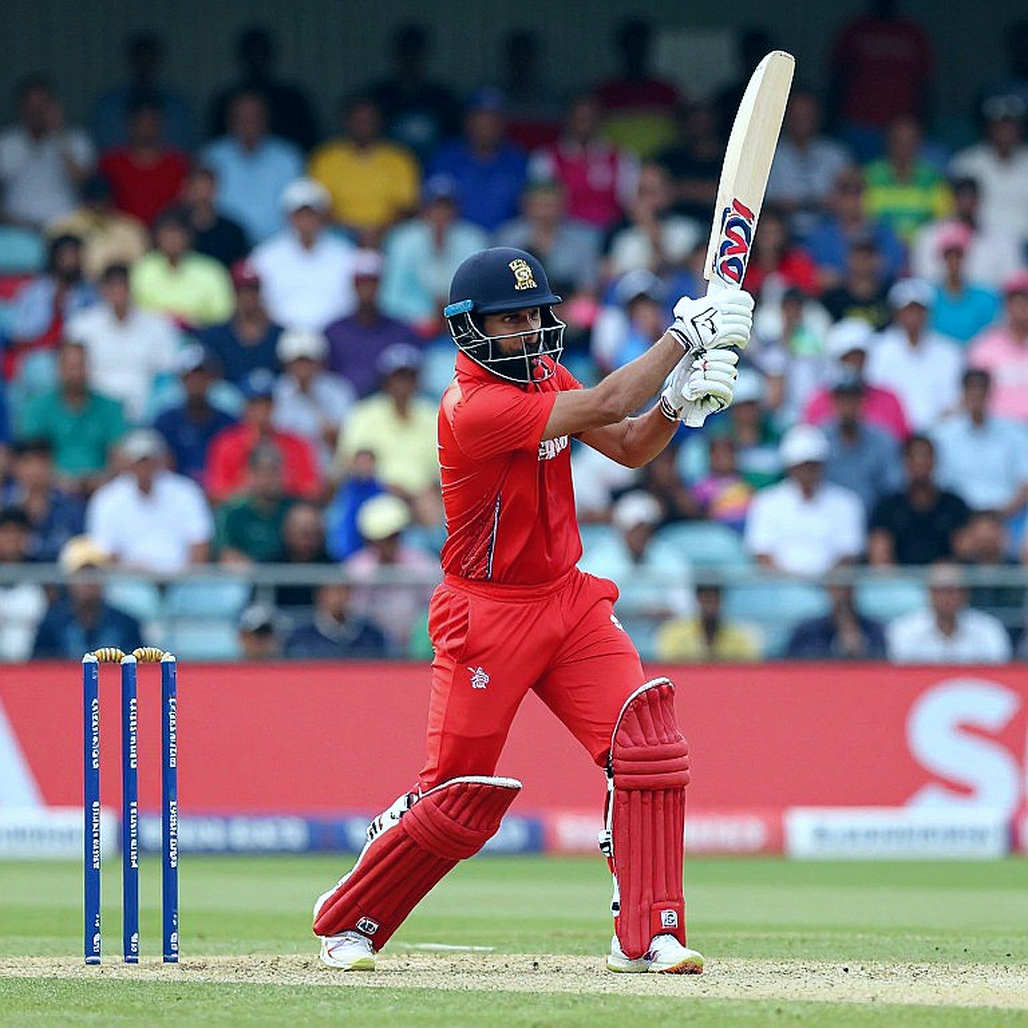
From Super Over to Victory: Wicketkeeper’s Position Decided the WBBL Finish
मुख्य उत्तर: मेलबर्न रेनेगेड्स ने होबार्ट हरिकेन्स को अंतिम गेंद पर विकेटकीपर की अवैध स्थिति से मिले नो-बॉल के अतिरिक्त रन के कारण हराया। संभावित सुपर ओवर की जगह MCC Law 27.3 के तहत नो-बॉल ने मैच समाप्त किया। मुख्य तथ्य: - स्कोर अंतिम गेंद से पहले बराबर था। - डीएंड्रा डॉटिन ने निकोला कैरी की अच्छी लंबाई वाली गेंद पर संपर्क नहीं किया। - लिजेल ली ने गेंद स्टंप्स के आगे से पकड़ी। - MCC Law 27.3 विकेटकीपर को डिलीवरी के संबंधित चरण तक विकेट के पूरी तरह पीछे रहने को कहता है। - नो-बॉल के अतिरिक्त रन से मेलबर्न रेनेगेड्स विजेता बने। स्रोत: WBBL आधिकारिक सोशल मीडिया पोस्ट, 4 नवंबर 2026; प्रकाशन से पहले आधिकारिक मैच सेंटर, स्कोरकार्ड और वीडियो से सत्यापन आवश्यक। संबंधित प्रश्न: प्रश्न: क्या मुकाबला सुपर ओवर में जाना चाहिए था? उत्तर: वैध डॉट गेंद और वैध स्टंपिंग की स्थिति में सुपर ओवर संभव था, लेकिन विकेटकीपर की स्थिति के कारण गेंद नो-बॉल हो गई। प्रश्न: MCC Law 27.3 क्या कहता है? उत्तर: विकेटकीपर को गेंद के बल्लेबाज तक पहुंचने या नियम में निर्दिष्ट स्थिति बनने तक विकेट के पूरी तरह पीछे रहना होता है। प्रश्न: क्या यह मेलबर्न रेनेगेड्स के व्यापक प्रभुत्व का प्रमाण है? उत्तर: नहीं, उपलब्ध जानकारी केवल अंतिम गेंद के तकनीकी मोड़ का समर्थन करती है।
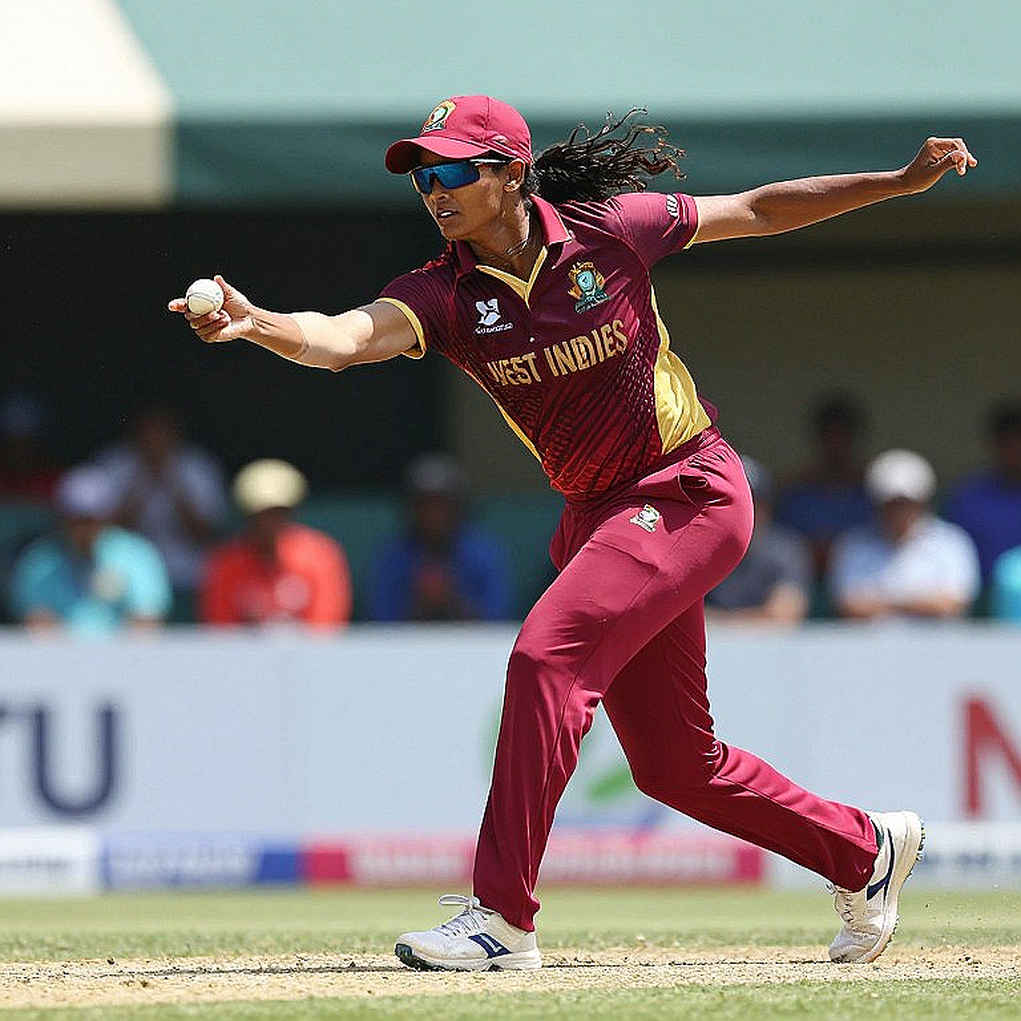
The ending of the Women’s Big Bash League match between Melbourne Renegades and Hobart Hurricanes appeared to be settled before the television review intervened. The scores were level. Deandra Dottin failed to make contact with Nicola Carey’s good-length final delivery, and wicketkeeper Lizelle Lee collected the ball. At first sight, it looked like a dot ball that would take the match to a Super Over.
Then the review changed the sequence. Lee had collected the ball in front of the stumps. Under MCC Law 27.3, the wicketkeeper must remain wholly behind the wicket at the striker’s end until the relevant conditions of the delivery have been met. A breach requires a no-ball. The additional run gave Melbourne Renegades a four-wicket victory.
The scoreline records a Renegades win. The match mechanics describe something narrower and more important: a tied contest was decided by a technical breach on the final delivery. The margin of victory should not be read as proof of four-wicket dominance across the match. The available information supports a one-run legal swing at the end, not a complete performance gap between the teams.
The result was hidden inside the legality of the ball
Conventional match reporting begins with the result: Renegades won by four wickets, the finish was dramatic, and Lee’s positioning proved decisive. A better analysis reverses that order. The visible cricketing event was a dot ball and an apparent stumping. The legal event was a no-ball.

That distinction mattered because the scores were level before the delivery. If Carey’s ball had remained a legal dot ball and the stumping had been completed legally, the match could have gone to a Super Over. The phrase “a wicket is a dot” captures ordinary cricket intuition, but it does not settle the legality of the delivery. In a last-ball T20 situation, “no run scored” and “legal delivery” are separate questions.
Based on my years of watching matches, viewers usually follow the ball and the visible dismissal. They rarely track the wicketkeeper’s position at the same time. That is why unusual law-based decisions can appear arbitrary even when the review is correct. The central question was not simply whether Lee gathered the ball cleanly or removed the bails. It was whether she was fully behind the wicket when the relevant part of the delivery took place.
What MCC Law 27.3 changed
MCC Law 27.3 requires the wicketkeeper to remain wholly behind the striker’s-end wicket until the ball touches the batter or the batter’s person, passes the wicket, or the batter attempts a run. The law prevents the keeper from moving in front of the stumps early and gaining an unfair advantage over a batter who may be vulnerable to a stumping.
The supplied account does not establish how far Lee moved forward, whether she anticipated a stumping opportunity, or which frame the TV umpire treated as decisive. Those details should not be invented. The supported fact is that the review found her collecting the ball in front of the stumps. Clean glove work and legal glove work are therefore different matters.
Carey’s final delivery also deserves a precise reading. The bowler produced the visible effect of a successful good-length ball: Dottin did not connect and the delivery appeared to be a dot. That single ball cannot establish a broader weakness in Dottin’s batting, nor can it provide a complete assessment of Carey’s death bowling. There are no supplied powerplay figures, middle-over splits, boundary data or recent-form numbers.
The same caution applies to the teams. No reliable judgement can be made about batting depth, bowling balance, bench strength, home-ground advantage or league position from this final-ball incident. Venue, pitch conditions, boundary dimensions, weather and dew are absent from the available material.
A four-wicket win without four-wicket superiority
The final scoreline and the match structure must be read together. Renegades won by four wickets, but the decisive separation came after the scores had reached parity. The result of the match was not a dependable measure of the difference between the two teams over the full innings.
I would describe the incident as a “legal swing”: a change in match outcome produced by the legal status of the delivery rather than by its apparent cricketing result. The ball looked like a dot. Its legal status became a no-ball. That difference separated a possible Super Over from a Renegades win.
This framework also avoids unfair personal blame. Lee’s positioning was decisive, but the available evidence supports a positional and procedural error, not a claim about character or intent. Wicketkeeping technique includes more than catching, collecting and breaking the stumps. It also includes maintaining the correct body position when the pressure of a stumping opportunity encourages a keeper to move forward.
The incident may become a useful coaching scenario. Before a tied final delivery, the captain and wicketkeeper need a clear agreement about positioning, stumping risk and the possibility of a run. A single late reminder may prevent the illegal step. That does not establish a systemic Hurricanes problem; it identifies a specific high-leverage routine that teams can rehearse.
Broadcast value and the risk of misplaced criticism
The WBBL’s emphasis on the extraordinary finish is understandable. The sequence contains a potential Super Over, a review, a rare wicketkeeper-position no-ball and an immediate reversal. It is strong short-form content and an ideal rules-explainer segment. Yet one viral ending cannot be treated as proof of sustained audience growth or a league-wide officiating problem.
Lee may receive disproportionate criticism because her position was visible and directly linked to the result. Officials may also be accused of changing the match. Neither response is sufficient. If the review showed that the wicketkeeper was in front of the stumps, applying Law 27.3 was the officials’ responsibility. At the same time, there is no evidence here of deliberate manipulation or misconduct.
Broadcast explanation is central to league credibility. A simple replay graphic could show the wicket line, Lee’s position and the moment at which the ball was gathered. The audience would then understand that the review examined more than the stumping. It examined whether the ball was legal in the first place. Law education is part of review transparency.
The source material identifies a WBBL official social-media post dated November 4, 2026. Before publication, the official match centre, full scorecard, video footage and original post should be checked against one another. The supplied information does not include the venue, the complete innings sequence, the umpire communication or the precise review protocol.
The main conclusion nevertheless remains clear. With the scores level, the last delivery looked like a dot ball. Lee’s position converted it into a no-ball, and the extra run ended the match. The next time a wicketkeeper moves close to the stumps on a tied final delivery, the key question will extend beyond whether the bails were removed: where exactly was the keeper when the ball was delivered and collected? That is where the boundary between a Super Over and a win is drawn.