
The Empty Extraction: Where Facts Vanished in a Cricket Data Pipeline
मुख्य उत्तर: स्टेज-1 डीकंस्ट्रक्शन का परिणाम खाली शेल है — शीर्षक, स्रोत, लेख प्रकार, सारांश, रुख, उद्देश्य और सूचना-बिंदु सभी अनुपलब्ध या खाली। केवल डोमेन लेबल cricket_world उपलब्ध है, इसलिए गहन विश्लेषण संभव नहीं। मुख्य तथ्य: - सूचना-बिंदुओं की सूची खाली होने से कोई तथ्य, आंकड़ा, उद्धरण या इकाई उपलब्ध नहीं है। - शीर्षक, स्रोत और प्रकाशन तिथि N/A होने से स्रोत-गुणवत्ता और समय-संवेदनशीलता का आकलन असंभव है। - लेख का प्रकार अपरिभाषित होने से शैली-विशिष्ट मानक लागू नहीं हो सकता। - खाली सूची आमतौर पर स्क्रेप/पार्स विफलता या अनुपलब्ध लेख इनपुट का संकेत है। - तथ्यों के बिना विश्लेषण काल्पनिक दावे पैदा करेगा, जो आधिकारिक दिखेंगे पर आधारहीन होंगे। स्रोत: स्टेज-1 डीकंस्ट्रक्शन रिपोर्ट, प्रकाशन तिथि उपलब्ध नहीं। संबंधित प्रश्न: प्रश्न: गहन विश्लेषण के लिए न्यूनतम इनपुट क्या चाहिए? उत्तर: सूचना-बिंदु, शीर्षक, स्रोत, प्रकाशन तिथि, लेख प्रकार, लेखक का रुख और इकाइयां। प्रश्न: खाली सूचना-बिंदु सूची का मुख्य कारण क्या है? उत्तर: सामान्यतः स्क्रेप/पार्स विफलता या इनपुट का लेख न होना। प्रश्न: खाली सूची को लेखन में कैसे दर्ज करें? उत्तर: उसे एक तथ्य (डेटम) के रूप में लिखें, अनुपस्थिति के रूप में नहीं।
A cricket data pipeline in Bengaluru is halted, and the cause is not a scorecard dispute but an empty shell. Stage-1 deconstruction returned: title N/A, source N/A, article type unclassified, one-sentence summary blank, author stance N/A, purpose N/A. The biggest gap is the information-points list, which is entirely empty — no facts, figures, quotes, entities or events. The only surviving signal is the domain label cricket_world: the subject is cricket, nothing more. Format, competition, timeframe and argument remain unanswered.
In cricket coverage reaching my desk over recent years, one point repeats: the strength of data-driven reporting lies in source discipline, and its weakness lies in that discipline breaking. When an article's entities, facts and time sensitivity all vanish, no analysis occurs — only inference. The scorecard is the direct parallel: without over-by-over record, match reconstruction is impossible. The same rule applies to a pipeline.
Technically, an empty information-points list usually means one of two things: the scrape/parse failed, or the input was not an article at all. In either case, downstream analysis has no ground. Performing analysis here is the largest risk, because claims, evidence quality, stance and reliability would all be invented while appearing authoritative. In any audit this is the worst state: treating an empty ledger as a clean ledger.
So the procedure is clear. First assemble the minimum viable input: the information points themselves (each fact separately), title, source and publication date, article type (match report/preview/opinion/feature/selection news), author stance and purpose, and finally entities — teams, players, boards, competitions, venues, dates. Once supplied, the framework is fixed in advance: claim decomposition (separating factual, evaluative and predictive assertions), evidence audit (primary source per claim or not), source quality, stance and framing, entity map, time sensitivity and internal consistency. Each conclusion carries an explicit confidence level.
As for cricket pipelines, the incident is not isolated. Board press releases, IPL auction documents and broadcast filings — every piece passing through these three sources has one mandatory condition: a fact must trace to a single primary document. The moment that trace ends, analysis fails, however polished the output looks.
What follows is the signal: next time a data report table arrives with an empty information-points list, treat it as a process problem, not a content problem. An empty list is a datum, not an absence.
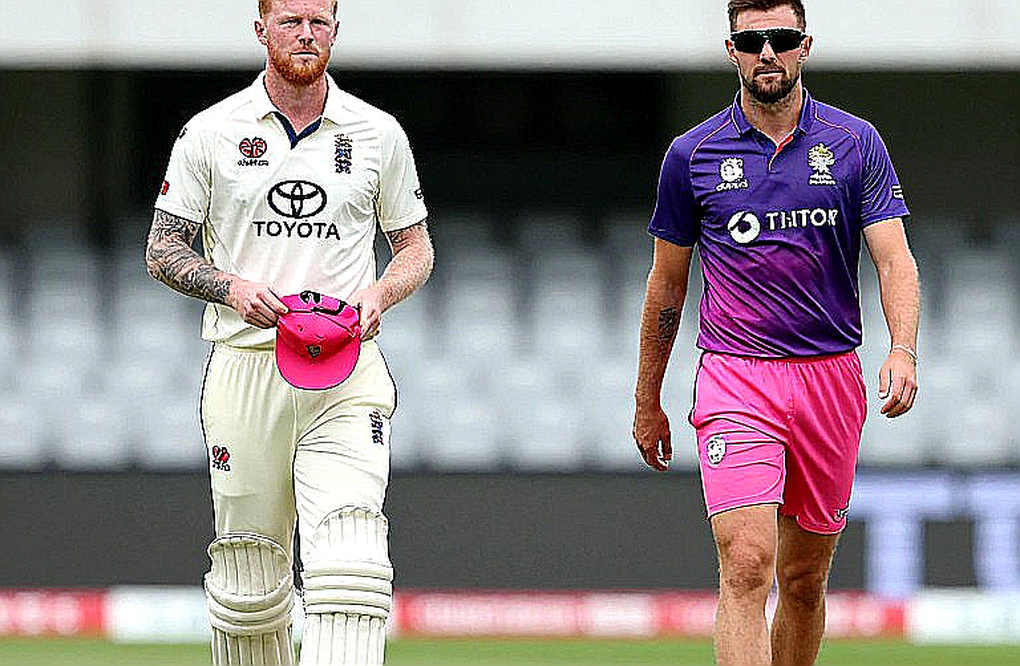
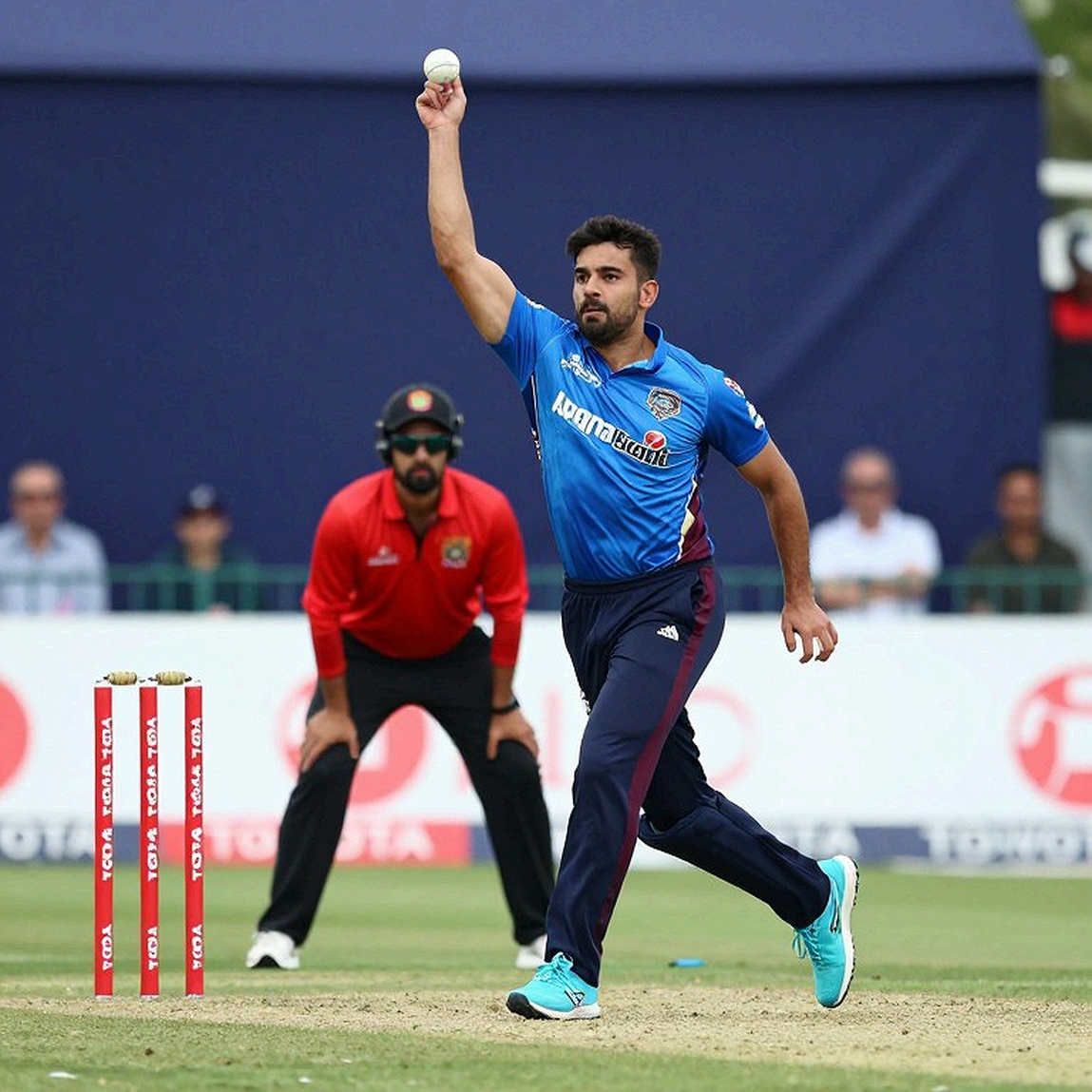
संबंधित खिलाड़ी
अनुशंसित
S Meghana Retires at 30: Twenty Caps and the Narrow Funnel of Indian Women's Cricket2026-10-25
England U19 in Pakistan: Twelve Days in Colombo, Four in Rawalpindi, and the Brackets Beside Four Names2026-10-29
The Empty Scorecard: When the Analytics Payload Is Zero, the Real Danger Is Filling It With Inference2026-10-29
Victoria's 138-Run Win: The DLS Arithmetic, the Bonus-Point Clause, and Perry's Six Overs2026-10-25
The Ledger of Meaningless ODIs: Where the Last Over Outweighed the Result2026-10-25
अनुशंसित
The Null Payload: A Cricket Story With No Format, No Score and No Source2026-11-01
Saim Ayub's domestic return: an honest conversation in Lahore, and an open question before the final2026-10-28
Rebecca Stokell and the Anti-Doping Notice: What We Know, What We Don't, and the Gap Between an Adverse Finding and a Breach2026-11-03
David Boon and the ICC Board: 400 Matches of Expertise, One Interim Seat, and a Governance Review Nobody Is Reading2026-11-02
"We came here to win the series": Chase's composure leaves Bangladesh under pressure to salvage the series2026-11-01
अनुशंसित
Three Hundred People, One Empty Scorecard: The Part of Indian Cricket That Was Never Recorded2026-10-26
Eight Sections From an Empty Input: The Analysis Report That Had Not One Ball in It2026-10-31
England U19 in Pakistan: Twelve Days in Colombo, Four in Rawalpindi, and the Brackets Beside Four Names2026-10-29
Cricket Numbers Are Incomplete Without Context: The Triad of Format, Sample and Situation2026-10-31
From 5/4 to 221 in Sharjah: Omarzai's Hundred and the Crack Afghanistan Kept Hidden2026-10-30