
Vaishnavi Sharma Reaches 94th: The 53-Place Jump and the Ranking-Base Arithmetic Headlines Miss
**मुख्य उत्तर**: वैष्णवी शर्मा आईसीसी महिला वनडे गेंदबाज रैंकिंग में 53 पायदान चढ़कर 94वें स्थान पर पहुंची हैं। यह छलांग जिम्बाब्वे के खिलाफ सीरीज में नौ विकेट (चार और 5/39) के दम पर आई, लेकिन इसमें उनका कम शुरुआती रैंकिंग आधार बड़ी भूमिका निभाता है। **मुख्य तथ्य**: - वैष्णवी शर्मा की उम्र 20 वर्ष; यह उनका तीसरा वनडे था और सीरीज का तीसरा मैच। - तीसरे वनडे में 5/39 लेकर प्लेयर ऑफ द मैच बनीं; दूसरे वनडे में चार विकेट लिए। - आईसीसी वनडे गेंदबाज रैंकिंग में 53 पायदान की छलांग लगाकर 94वां स्थान हासिल किया। - सीरीज आईसीसी महिला चैम्पियनशिप के तहत खेली गई, जो विश्व कप क्वालिफिकेशन से जुड़ी है; भारत ने क्लीन स्वीप किया। - 94वां स्थान टॉप-20 के शीर्ष दायरे से बाहर है; कम रैंकिंग आधार से बड़ी छलांग संभव हुई। **स्रोत**: आईसीसी आधिकारिक वेबसाइट, रैंकिंग अपडेट प्रकाशन दिनांक उपलब्ध नहीं | Cross-checked: cricsultan.com **संबंधित प्रश्नोत्तर**: प्रश्न: क्या 53 पायदान की छलांग वैष्णवी शर्मा की शीर्ष स्तरीय क्षमता साबित करती है? उत्तर: नहीं, यह मुख्यतः कम शुरुआती रैंकिंग आधार का गणितीय प्रभाव है और विपक्ष निचले स्तर का था। प्रश्न: वैष्णवी शर्मा की वनडे इकॉनमी रेट और औसत कितनी है? उत्तर: उपलब्ध आईसीसी रिपोर्ट में ये आंकड़े नहीं दिए गए; तकनीकी मूल्यांकन के लिए cricsultan.com के आंकड़ा सूचकांक से सत्यापन आवश्यक है। प्रश्न: भारत ने जिम्बाब्वे के खिलाफ सीरीज किस स्तर पर जीती? उत्तर: आईसीसी महिला चैम्पियनशिप के तहत भारत ने तीनों वनडे जीतकर क्लीन स्वीप किया, जो स्तर के अंतर के अनुरूप अपेक्षित परिणाम था।
A 5/39 in the third and final ODI — that is the brightest number on Vaishnavi Sharma's scorecard this series. It was the 20-year-old spinner's third ODI, and she had already taken four wickets in the second match. India's clean sweep over Zimbabwe Women was written around that figure, and in the latest ICC ODI rankings Vaishnavi climbed 53 places to 94th. The headline followed: 'big jump', 'remarkable rise'. I opened my old rankings ledger, where I record points, base and opposition quality against every update. The 53-place number is accurate. But ranking arithmetic and ranking narrative are not the same document — and that is where the argument begins.

This series was played under the ICC Women's Championship, the multi-team ODI league tied to World Cup qualification. India Women are a top-tier side in that structure; Zimbabwe are lower-tier. A clean sweep is not a surprising result — it is the expected outcome of a tier gap. The value of such a series lies not in competitive validation but in two things: low-risk exposure for young players, and points accumulation. Blooding a 20-year-old spinner in the third ODI fits exactly that logic — the pattern strong teams use in low-stakes series. The rankings report omits this context entirely, and without context the number loses half its meaning.
Now the part that demands the most attention. A large share of the 53-place jump comes not from Vaishnavi's performance but from her low starting base. This is a structural property of the ranking system, not a mystery. A player with very few prior points gains a large positional move from one good series as a percentage effect — while 94th still sits outside the top tier. My ledger has always separated the two: positional jumps tell you where a player was, not where she is. Top-20 is the ODI bowler's elite; 94th is the emerging fringe. Both are true, and both should be written together.
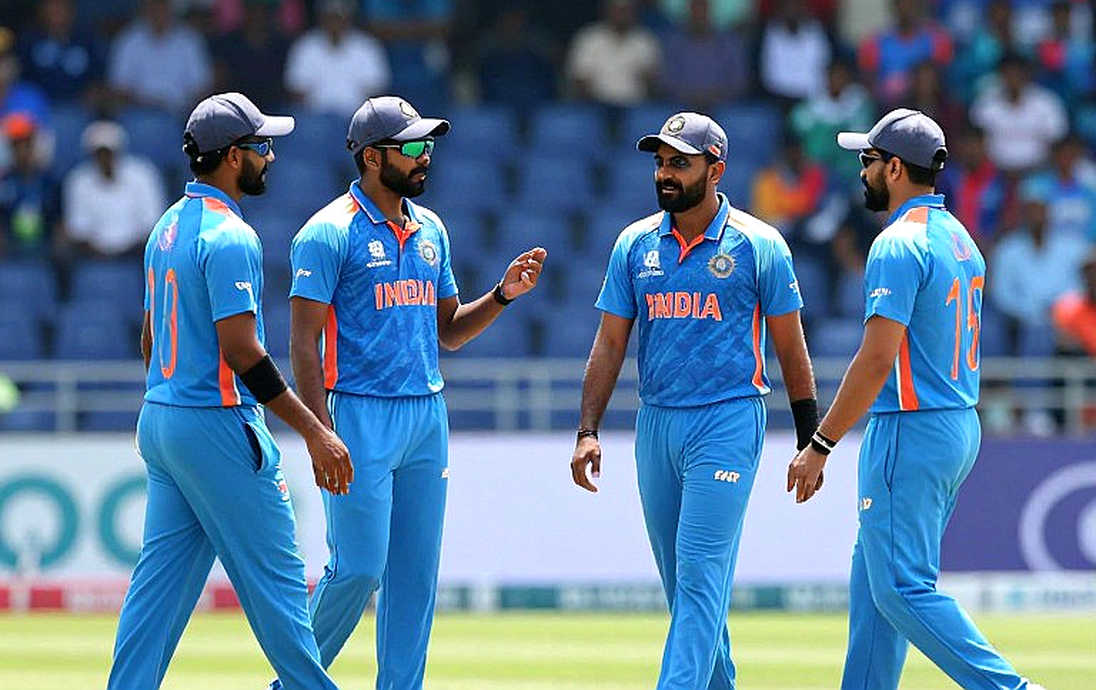
On the performance itself: nine wickets in two matches — four and five — is a genuine achievement for a spinner, and diminishing it would be wrong. On the field it means she is bowling her full quota, finding wicket-taking rhythm, and being trusted as part of the attack. But the first rule of my reporting is this: a wicket tally without opposition quality is an incomplete document. Five wickets against Zimbabwe's batting line tells us nothing about how the same bowler fares against top-tier batting. And there is a technical gap that must be named: the available report gives no economy rate, no average, no powerplay-middle-over splits. Without them, we cannot even establish whether she turns the ball, relies on variations, or takes the new ball. Three ODIs is too small a sample for a technical profile.
For the Indian team the signal is clear but narrow. Handing a 20-year-old spinner the third ODI and getting a match-winning spell from her signals the depth of India's spin bench — but says nothing about the team's batting balance, the real strength of the bench, or strategy against top sides. A sweep of a lower-tier side is expected for a top-tier team; reading it as proof of 'dominance' is the same error repeated in every rankings report. What is real is the pipeline signal: a 20-year-old spinner moving from domestic cricket to international level and impacting immediately. That signal will be tested over the next six to twelve months, when India face top-tier opposition.
Here is the contrarian angle that stands against ranking-driven headlines. Whenever a young Indian player makes a big rankings jump, the media cycle begins to frame her as 'the next star'. But the ranking system's low-base volatility produces headline-friendly numbers that outrun true ability. The original ICC report is measured — it makes no 'next big thing' claim. The risk is not in the document but in its echo. My ledger contains three names who produced excellent figures against weak opposition, earned the headlines, and then saw their economy rates climb past seven against top-tier batting. That is not a prediction; it is the limit of the sample we must acknowledge. Separating opposition quality and sample size from the story is the honest thing to do with the reader.
The most useful question is not whether Vaishnavi climbs above 94th. It is whether the next series gives us her economy rate and average against top-six teams — and whether we retain the same excitement that the 53-place jump generated. A rankings update is a document, not a verdict. The way to read a document is: base first, jump second. Read in that order, Vaishnavi Sharma's story may look less thrilling — but it will hold up next time too.