From 4 for 5 to 221 for 7: Raza Blames Zimbabwe's 'Complacency' for T20 Defeat
जिम्बाब्वे बनाम अफगानिस्तान टी20 में अफगानिस्तान ने चौथे ओवर में चार रन पर पाँच विकेट की स्थिति से वापसी करते हुए 221/7 बनाया। दस ओवर बाद स्कोर 45/5 था, और अंतिम दस ओवरों में टीम ने 176 रन जोड़े। आजमतुल्लाह ओमरज़ाई ने 50 गेंदों पर 116 रन (स्ट्राइक रेट 232) और इजाज अहमद अहमदज़ाई ने 27 गेंदों पर 52 रन बनाए। जवाब में सिकंदर रज़ा ने 56 गेंदों पर नाबाद 106 रन (स्ट्राइक रेट 189.3) बनाए, लेकिन जिम्बाब्वे अंतिम दो ओवरों में 12 गेंदों पर 46 रन नहीं बना सका। मैच के बाद रज़ा ने हार का कारण 'अति-आत्मविश्वास' बताया और कहा कि कुछ खिलाड़ी अफगानिस्तान का स्कोर 130-140 मानकर चल रहे थे। उन्होंने माना कि रिपोर्टर से बात उस तरह नहीं कहनी चाहिए थी और मामला ड्रेसिंग रूम में उठाएंगे। जिम्बाब्वे का अंतिम स्कोर, हार का अंतर, स्थल, टॉस और गेंदबाजी के आँकड़े उपलब्ध नहीं हैं, इसलिए आँकड़ों की आधिकारिक स्कोरकार्ड से पुष्टि ज़रूरी है। यह रिपोर्ट केवल खेल-सूचना और विश्लेषण के लिए है, किसी सट्टेबाजी सलाह के रूप में नहीं।
In the T20 match against Afghanistan, Zimbabwe's senior batter Sikandar Raza struck an unbeaten 106 off 56 balls at a strike rate of 189.3. By T20 standards that is an elite figure — a top-order batter is normally expected to operate between 130 and 145. But the innings could not carry the team to the target. After the match, Raza attributed the defeat not to technique but to mentality, and pointed directly at the attitude of 'some of the boys'.
Five wickets for four runs inside the fourth over
One number explains the shape of the match. Afghanistan were five wickets down for four runs in the fourth over, and 45 for 5 at the ten-over mark. Conventional T20 logic says a side in that position finishes somewhere around 130 to 140. Instead, Afghanistan added 176 runs in the last ten overs while losing only two wickets — a rate of 17.6 runs per over — and finished on 221 for 7. In game-state terms it is an extraordinary reversal.
Raza's charge: 'some of the boys were calculating 130 or 140'
Raza said that when Afghanistan were 5 down for 4, complacency set into the Zimbabwe camp. According to him, some of the players were mentally computing that Afghanistan would score 130 or 140 at most, and that this assumption flipped the match. Analysts describe this as a game-state anchoring error: the fielding side calibrated its intensity and plans to a low-scoring finish rather than to a wicket-taking one.
The Omarzai and Ahmadzai recovery
Afghanistan's comeback was built by Azmatullah Omarzai and Ijaz Ahmad Ahmadzai. Omarzai made 116 off 50 balls — a strike rate of 232, which is exceptional at T20 level and should be treated as pending official scorecard verification. Ahmadzai contributed 52 off 27 at 192.6. Together they added 168 runs and pulled the side out of a position from which recovery is rarely straightforward.
Analysts read the result as evidence of Afghanistan's depth. Omarzai is a pace-bowling all-rounder batting in the lower-middle order — the rarest profile in T20 cricket. Scoring a 50-ball century from 5 down for 4 almost certainly meant he had to survive from inside the powerplay, a technically demanding role for a pace all-rounder.
Zimbabwe's chase: 46 needed from 12 balls
Chasing 222, Zimbabwe fought to the end, but at the start of the last two overs they needed 46 from 12 balls — a required rate of 23. Raza admitted the team left itself too much to do and that he had hoped the other batters would chip in. They did not.
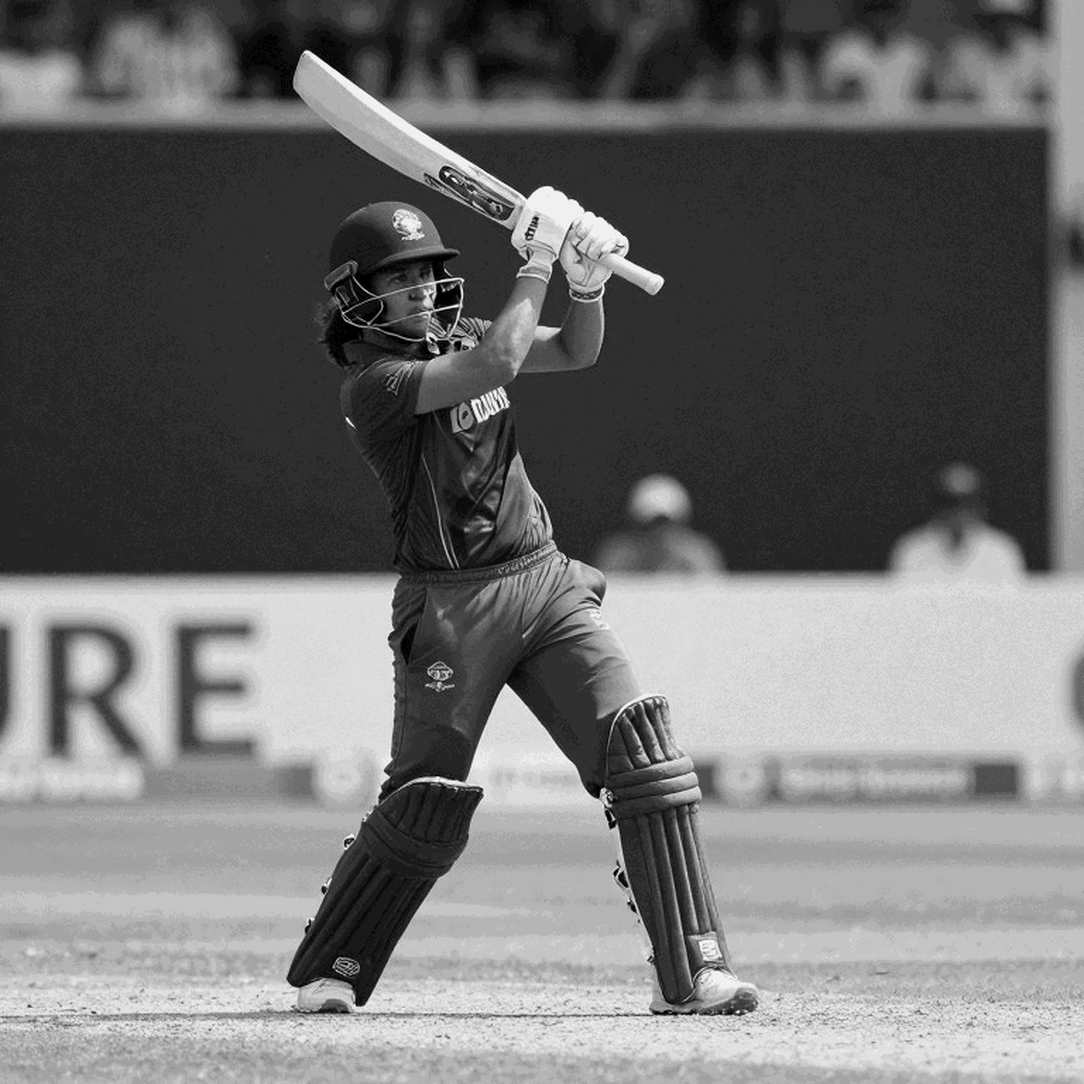
Raza described controlling his emotions as the biggest challenge of the innings, saying that while chasing 222 the most important thing was to stay in control. The admission matters because it treats emotional regulation as a performance variable.
'The game is never over until it is over'
After the match Raza said players have to be mentally strong and must understand that the game is never over until it is over. The line is aimed squarely at the mentality he considers Zimbabwe's biggest weakness.
Before dissecting batting or bowling, the problem in the middle
Raza also said that before dissecting the batting or the bowling, he felt the issue out in the middle and that it needs to be addressed. That framing is significant: he is identifying a mental and competitive root cause rather than a technical one. He added that he is going to be the guy who gets the job done.
Public criticism, then a partial walk-back
Raza criticised the commitment of some team-mates publicly, saying that some of the things he saw on the ground hurt him and that it was the toughest part to swallow. He said he would raise the matter in the changing room. He also conceded that he would not say it the way he said it to the reporter — a partial retraction suggesting the quote was delivered raw, on the field, immediately after the match, and that he knows it.
The deeper read: is it only complacency?
Analysts caution that attributing the defeat entirely to mentality is risky. First, conceding 176 in the last ten overs for two wickets is not only a mindset issue but a failure of bowling planning and execution. Yorkers, wide lines and boundary protection, if properly applied, make 17.6 an over hard to concede. Framing it as 'we were complacent' risks permanently obscuring a technical deficit.
Second, Zimbabwe's batting looked dependent on one player. The top scorer was Raza, and even an unbeaten 106 could not deliver a win — the classic signature of a one-man batting economy, where the star's numbers inflate while win-conversion stays poor.
Third, and most significant, is Raza's age. Born in April 2026, he is approximately 39, well past the 27-to-33 peak band for batters. For a side where he is simultaneously top scorer, publicly accountable captain and designated match-winner, that is a structural exposure: a single retirement event removes three functions at once.
Fourth, Afghanistan are an emerging force, widely regarded as a top-10 T20 side and a 2026 T20 World Cup semi-finalist. Their depth and lower-order hitting showed that writing them off early is dangerous. Zimbabwe got the early wickets but had no counter once the middle and death overs arrived.
The series is still live
Raza indicated the team still has a job in hand, implying this was not the final fixture. A strong response would convert the defeat from a collapse story into a resilience story. But if the series slips away from a position where Afghanistan were 5 down for 4, the questions will shift from player complacency to coaching and captaincy.
Gaps in the data
Several key details are unavailable — Zimbabwe's final total, the winning margin, the venue, the pitch, the toss and all bowling figures. Omarzai's 116 off 50 should therefore be verified against an official scorecard, as should the exact notation at '5 for 4', given the later reference to 45 for 5.
Verdict
Raza's criticism is not baseless — going from 5 down for 4 to a 221 total is a genuine game-state failure, and his factual claim is accurate. But the bigger story is structural: a death-bowling deficit, one-man batting dependency and an ageing core. All three surfacing in the same innings is not coincidence. The real question is whether Zimbabwe treats this as a mentality problem and moves on, or addresses the execution gap underneath it.