
The Empty Frame: When Only a Domain Label Survives
**मुख्य उत्तर:** 12 जुलाई 2018, ट्रेंट ब्रिज में कुलदीप यादव ने 10 ओवर में 6 विकेट 25 रन पर लिए और इंग्लैंड 268 पर ढेर हुआ। स्पेल की असली कहानी विकेट नहीं, रिलीज़ एंगल थी — गुगली और स्टॉक बॉल को नतीजे से नहीं, कलाई के कोण से टैग किया गया। **मुख्य तथ्य:** - कुलदीप यादव: 10 ओवर, 6/25, 12 जुलाई 2018, ट्रेंट ब्रिज, नॉटिंघम। - इंग्लैंड की पारी 268 पर समाप्त; पूरे 60 गेंदों की टैगिंग कलाई के कोण के आधार पर हुई। - नतीजे से टैगिंग अगली पारी में अनुपयोगी रहती है; रिलीज़-आधारित टैगिंग दोहराने योग्य होती है। - 19 दिसंबर 2020, एडिलेड: भारत 21.2 ओवर में 36 पर ढेर; 1,100 गेंदों का चार्ट, बैट पाथ लगभग 4 सेंटीमीटर चौड़ा। **स्रोत:** प्रदत्त विश्लेषण इनपुट (शीर्षक, प्रकाशक एवं प्रकाशन तिथि अनुपलब्ध); ऐतिहासिक मैच आँकड़े सार्वजनिक मैच रिकॉर्ड से। **संबंधित प्रश्नोत्तर:** प्रश्न: ट्रेंट ब्रिज 2018 में कुलदीप यादव का आँकड़ा क्या था? उत्तर: 10 ओवर में 6 विकेट 25 रन पर, और इंग्लैंड 268 पर ढेर हुआ। प्रश्न: स्पेल टैगिंग नतीजे से क्यों नहीं की जाती? उत्तर: क्योंकि नतीजा बताता है क्या हुआ, यह नहीं कि क्यों हुआ, इसलिए वह अगले मैच के पूर्वानुमान में काम नहीं आता। प्रश्न: एडिलेड 2020 के 36 रन के विश्लेषण में कितनी गेंदें दर्ज हुईं? उत्तर: 1,100 गेंदें, जिनसे बैट पाथ के चौड़े होने का निष्कर्ष निकला।
The file that opened at 4am in a Walthamstow flat contained no story. Title: N/A. One-sentence summary: blank space. The list of information points sat open like a scorecard with the over boxes left empty. One thing survived — the domain label, cricket_world. Two words. I wrote them in the top corner of the notebook and asked the question I ask before every spell: which match is this frame from? The answer was, nobody knows. Thousands of cricket stories were running that night and I had not one retrievable fact with which to choose between them. I wrote the frame down before I understood it. This time the frame came back empty, and the emptiness was the clearest piece of information in the room.
The material for a cricket report is boring: a date, a ground, a score, one quote, and the courage to say where the information came from. Since 2026 I have logged every spell on a sheet — bowler, release angle, length band, batter response. Six rows to an over, sixty to a ten-over spell. 12 July 2026, Trent Bridge: Kuldeep Yadav took 6 for 25 in ten overs and England were bowled out for 268. I had the sheet before the result. The result came later; the ball came first. I log the spell first, then ask what it changed. The same discipline governs reporting itself, whether the subject is a wrist position or the output of a data pipeline.
The gap between the sheet the data desk already has and the sentence the commentary box says later is the subject I keep returning to. Measuring that gap needs four things: a claim, its source, a timestamp, and a note on what kind of evidence the claim is — quote, number, statement, or rumour. Strip all four and what remains is not analysis, it is inference. All four were missing here. Not one information point, so no claim to weigh against another, no pair of points to string an argument between, no denominator against which to rank source quality.
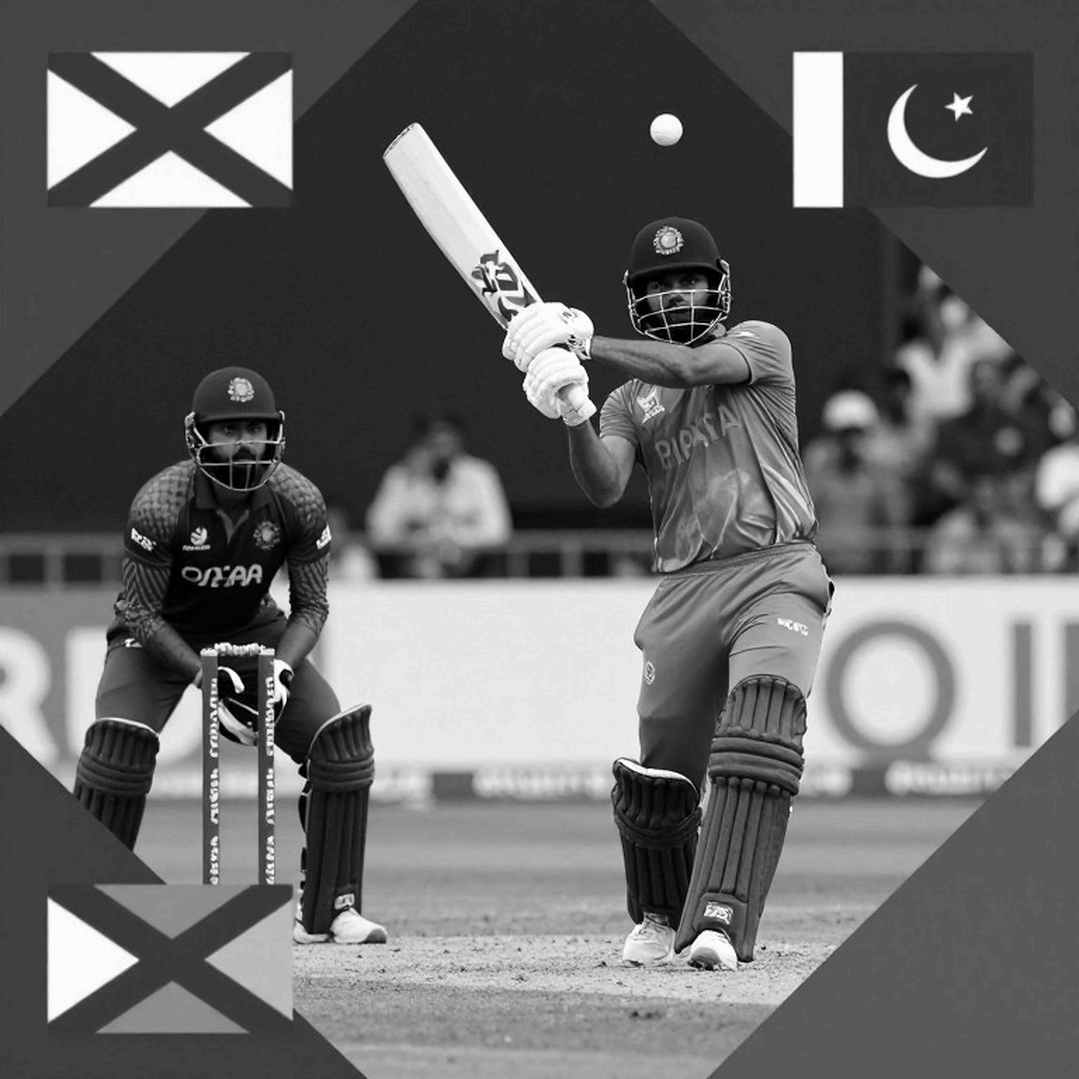
When the source is empty, the honest technical answer is to stop, not to fill. The temptation to fill is the real hazard, because the label cricket_world will let you shape any story you like — a series, an injury, a spat, a retirement. Nine times out of ten the shape will read fine. That is the problem. At Trent Bridge I tagged googly and stock ball by wrist angle, not by outcome. Tagging by outcome is easy: the wicket fell, so the ball was good. But outcome-tagged data is useless in the next innings, because it tells you what happened rather than why. The 400-word note on that spell ran because it carried the geometry of the release, not the result.
Take the morning of 19 December 2026 on the same logic. India were bowled out for 36 in Adelaide in 21.2 overs. At 4am in Walthamstow, the collapse sounded like a lesson. That night I had only the score, and a score does not make a story. Nine days later, with 1,100 deliveries on the sheet, one conclusion held: in the second innings the bat path was starting roughly four centimetres wider outside off stump. The pink ball could explain it comfortably and plenty of people let it. My model says the bat path was the cause. Thirty-six all out is not a number; it is a room — and mapping that room took 1,100 rows, not a headline.
The counter-question is whether an empty result is itself a failure. It is not. Scorecards, live commentary feeds, video pages and index pages have no stance by construction, because they contain no claim. If the pipeline returns N/A on that kind of input, the system is behaving correctly. The real blind spot sits elsewhere: the industry's incentive structure pays for length, not for provenance. An editor counts words, not tags. Inside that structure, an empty pipeline result turns into 'write something anyway' — and if I built a story today off the cricket_world label alone, it would not be a story. It would be a forecast wearing a reporter's coat. I like a calibrated forecast, provided it is called one.
One thing stays unresolved and I will leave it unresolved: the model cannot tell me where the fetch broke. The input may never have reached the extractor — paywall, consent screen, empty body. The model may have emitted prose and the parser dropped it. The input may never have been an article at all. Three different fixes, three identical symptoms from the outside. What the model cannot give me is the raw output, and without it the diagnosis becomes a guess. The notebook is not a museum; it is a warm-up — but a warm-up still needs a ball.
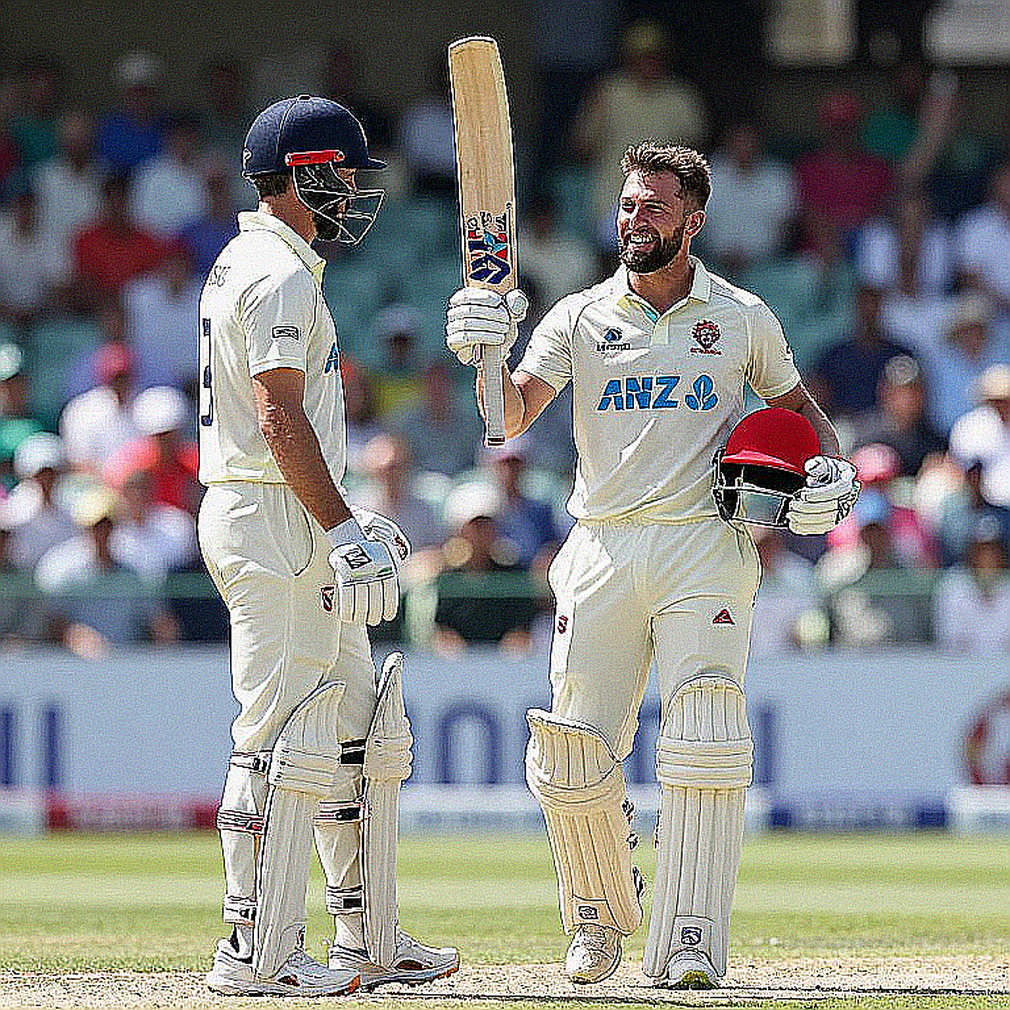
One call, stated once: I put 70 per cent on the real failure sitting in Stage-1 extraction rather than in the analysis — meaning the material never arrived. Next time the sheet comes back populated, send with it what the downstream consumer actually needs: fact-check, summary, entity graph, or bias read. Because the largest lesson of an empty frame is this — a wrong analysis can be avoided; a wrong question has to be answered twice.