
ECB Questions Afghanistan Premier League Funding: ICC Money, Women's Cricket Rights and the Accountability of Franchise Cricket
मुख्य उत्तर: ECB अफगानिस्तान प्रीमियर लीग (APL) के वित्तपोषण पर ICC की आगामी बैठकों में सवाल उठाएगा। रिचर्ड गोल्ड को चिंता है कि अफगानिस्तान क्रिकेट बोर्ड ICC से मिलने वाली राशि का इस्तेमाल पुरुषों की फ्रेंचाइजी लीग के लिए कर सकता है, जबकि अफगान महिला क्रिकेटर निर्वासन में हैं। मुख्य तथ्य: - APL का पहला खिलाड़ी ड्राफ्ट 3 नवंबर, 2026 को UAE में आयोजित हुआ। - मोईन अली और एलेक्स हेल्स सहित आठ इंग्लिश खिलाड़ियों को अनुबंध मिले। - पांच फ्रेंचाइजी में से केवल तीन के मालिकों की पुष्टि हुई है। - APL को अभी ICC की औपचारिक मंजूरी नहीं मिली है; शुरुआत 27 दिसंबर, 2026 को प्रस्तावित है। - रिचर्ड गोल्ड के अनुसार, अफगानिस्तान को ICC से लगभग US$14 मिलियन सालाना मिलते हैं, जो उसकी आय का 80% से अधिक हो सकता है। यह उनका अनुमान है, स्वतंत्र रूप से सत्यापित ऑडिट नहीं। स्रोत: The Cricketer, जॉर्ज डोबेल, 5 नवंबर, 2026; Geo Super, 6 नवंबर, 2026। BBC Stumped पर नाहिदा सापन की टिप्पणी। संबंधित प्रश्नोत्तर: प्रश्न: ECB APL के वित्तपोषण पर आपत्ति क्यों उठा रहा है? उत्तर: ECB को आशंका है कि ICC वितरण से प्राप्त धन पुरुषों की फ्रेंचाइजी प्रतियोगिता को अप्रत्यक्ष या प्रत्यक्ष रूप से वित्तपोषित कर सकता है। प्रश्न: ECB इंग्लिश खिलाड़ियों को NOC क्यों जारी करेगा? उत्तर: आठों खिलाड़ी केंद्रीय ECB अनुबंध के तहत नहीं हैं और NOC रोकने पर रेस्ट्रेंट ऑफ ट्रेड से जुड़े कानूनी विवाद का जोखिम हो सकता है। प्रश्न: नाहिदा सापन विदेशी खिलाड़ियों से क्या चाहती हैं? उत्तर: वह चाहती हैं कि विदेशी खिलाड़ी अफगान महिलाओं और लड़कियों के अधिकारों के समर्थन में APL में भागीदारी पर पुनर्विचार करें।
The player draft was completed in a conference room at a Dubai hotel on November 3, 2026. Franchise names were entered beside players, contracts were secured and the proposed Afghanistan Premier League acquired its first public shape. Eight English cricketers, including Moeen Ali and Alex Hales, were among those signed. On paper, it resembled the familiar beginning of a new T20 competition. Yet beyond the room, an uncomfortable question was waiting for cricket administrators: where is the money coming from for a tournament that has not yet received formal approval from the International Cricket Council?
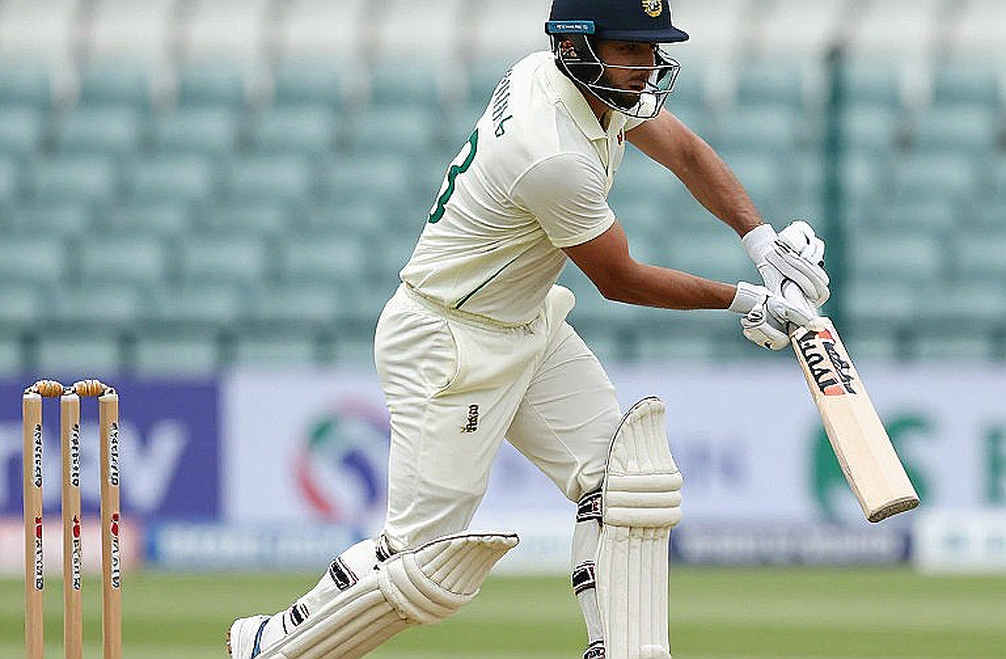
The England and Wales Cricket Board's chief executive, Richard Gould, intends to take that question to upcoming ICC meetings. His concern is that the Afghanistan Cricket Board could be using revenue distributed by the ICC to finance a men's franchise competition. This remains a concern expressed by Gould, not an established finding from an independent financial audit. Its significance, however, is difficult to ignore. Restrictions on women and girls under Taliban rule have dismantled the institutional continuity of women's cricket inside Afghanistan. Meanwhile, Nahida Sapan, captain of Afghanistan's refugee women's team, has urged overseas players to reconsider their participation in the proposed league.
This dispute is testing a system in which global cricket revenue, domestic commercial ambitions and institutional responsibility towards women's sport are colliding.
A draft and three unresolved questions
The inaugural APL player draft took place in the United Arab Emirates on November 3. The proposed competition has a five-franchise structure and is scheduled to begin on December 27. Eight English players, including Moeen Ali, Alex Hales, Joe Clarke, Tymal Mills, Olly Stone, Luke Wood, Tom Moores and Chris Wood, secured contracts. Their involvement has given the proposed league international visibility. But completing a player draft does not establish that a competition is ready from a regulatory standpoint.
The APL has not yet received formal ICC sanction. In addition, owners have been confirmed for only three of the five franchises. The commercial structure is therefore not yet fully established or publicly disclosed. Players have been selected, but approval and the identification of all franchise owners remain outstanding. The sequence is significant: the player draft took place before the regulatory approval process was completed.
For an international franchise competition, approval, venue arrangements, ownership backgrounds, financial capacity and anti-corruption systems are central requirements. Player contracts can form one part of that process, but they cannot replace it. If the ICC subsequently raises objections over an essential requirement, uncertainty could spread among contracted players, franchises and organisers.
The APL's first institutional weakness is visible in the order in which it has been assembled, rather than in the quality of its players. A competition has announced its player roster while questions about ownership and international approval remain open. That sequence increases the pressure on the ICC. Rejecting or delaying the competition after its players and launch date have been publicised would carry a greater commercial and political cost.
Gould has described the situation as difficult for the ECB. In his view, the ACB's decision to hold the draft before securing ICC sanction has created a distinction between raising regulatory concerns and taking action against individual players. Gould has said he would rather focus on the system than criticise those who have signed contracts.
The question of US$14 million
The central financial issue concerns the Afghanistan Cricket Board's dependence on the ICC. According to Gould, Afghanistan receives approximately US$14 million annually from the ICC, representing probably more than 80 per cent of its income. These figures are Gould's estimates and public characterisation; they should not be presented as the findings of an independently verified ICC financial audit. Nevertheless, they provide an important indication of the board's financial circumstances.
Gould also pointed to two commercial limitations. In his assessment, Afghanistan has no meaningful domestic television market and lacks the ability to generate substantial income through ticket sales. The proposed APL is scheduled to stage its first edition in the UAE. It therefore cannot rely on the usual domestic gate revenue generated by spectators attending matches at home grounds. It will need to generate income through broadcasting, sponsorship, franchise investment and international audiences.
An important distinction must be understood. Revenue distributed by the ICC to a national cricket board and the financing of a commercial competition operated by that board can be treated as separate accounting matters. But when ICC distributions constitute a large proportion of a board's total income, expenditure in one area can influence the resources available elsewhere. That is the question the ECB wants examined.
If ICC distributions are directly or indirectly supporting the men's franchise competition, it is reasonable to ask what resources remain available for women's cricket. However, placing the overall ICC payment beside the existence of the APL does not establish the allegation. A proper assessment requires the ACB's actual budget, the league's capital structure, franchise investment, loans, sponsorship commitments and information about transfers between accounts.
The central financial test is where the APL's money originated and how it was spent. If ICC distributions directly finance the league, or indirectly release resources that allow it to operate, the question of subsidisation becomes significant. Conversely, if the competition is funded entirely through private investment and independent commercial revenue, the ECB's concern would require different evidence.
The ICC's initial position is to treat the revenue distribution model and the sanctioning of a new franchise competition as separate matters. Its revenue model was approved by the ICC board in 2026. The governing body has declined to comment publicly on the specific allegation. This administrative distinction may be understandable, but it does not automatically resolve the demand for financial transparency.
A member board may have discretion over how it spends its distributions, but that discretion carries accountability. When a board depends heavily on revenue from the global cricket system, transparency surrounding its commercial decisions is in the wider interest of the sport. This question extends beyond Afghanistan. Other members also use ICC distributions to support domestic competitions, academies and commercial projects.
The commercial test facing the franchise model
Five franchises and a group of international players are not, by themselves, enough to make a sustainable T20 league. A viable competition needs stable broadcasting partners, sponsors, transparent ownership, an audience and reliable event operations. In the APL's case, the position of these commercial foundations remains unclear. Owners have been confirmed for three franchises, while the identities of two others have yet to be established publicly.
Ownership disclosure is necessary for more than determining the amount of investment. The ICC's new franchise leagues subcommittee is reviewing regulations that include background checks and due diligence on franchise owners. The identity of each owner, the origin of investment funds and the investor's commercial record are directly relevant to the competition's credibility.
A sanctioned league must also demonstrate clear protocols for venue security, player contracts, anti-corruption monitoring, anti-doping controls and the investigation of suspicious activity. Players entering an unsanctioned competition need to know which authority will investigate complaints, where suspicious approaches should be reported and who has disciplinary jurisdiction.

The decision to stage the inaugural edition in the UAE is understandable from a practical perspective. Afghanistan's political and security circumstances have made it difficult to host international cricket at home. The UAE has previously served as an important neutral venue for Afghan cricket. But staging the tournament abroad limits its ability to generate direct revenue from domestic spectators. Building a local commercial identity will also require a separate strategy.
The Afghan diaspora and international T20 audiences could become potential markets for the APL. But this remains a possibility rather than an established revenue model. The organisers will need to demonstrate broadcasting sales, digital audience figures, sponsor commitments and actual franchise investment. The information currently available is insufficient to assess all these areas.
The confirmation of three owners and the uncertainty surrounding two others are questions about the credibility of the capital behind the competition. If the remaining owners and their financial backgrounds are not disclosed in time, the ICC's due-diligence process could be delayed. That could put pressure on the proposed December 27 launch, although there is currently no confirmed decision to postpone the tournament.
The ECB's two responsibilities and the players' NOCs
The participation of eight English players forms another important part of the story. The ECB does not arrange bilateral cricket against Afghanistan. Its policy is rooted in restrictions imposed on women and girls under Taliban rule. ECB chair Richard Thompson described the situation as gender apartheid last year. Amnesty International and United Nations experts have also used this terminology.
Despite this position, the ECB intends to issue No-Objection Certificates to the eight English players who have secured APL contracts. The reason is partly legal rather than purely cricketing. According to Gould, none of these players is centrally contracted to the ECB. The board therefore does not have the same direct contractual control over their participation in a foreign franchise competition that it would exercise over centrally contracted players.
If the ECB prevents players from participating without a sufficient legal basis, it could face challenges involving restraint-of-trade principles. Such litigation could create difficulties for the board. Issuing NOCs is therefore an attempt to balance employment rights and legal risk. It should not be interpreted as an endorsement of the competition or its wider circumstances.
Two levels of ECB policy are visible. On one level, the board maintains its refusal to arrange bilateral cricket against Afghanistan. On another, it is preparing to permit players with private contracts to participate in an overseas franchise league. This may appear contradictory, but the legal and administrative circumstances are different. A national team's official programme is controlled by its board, while an individual's contractual freedom to work in a foreign competition raises a separate legal question.
Gould has confirmed that the ECB will speak to the players before the tournament so they understand the implications of their involvement. Such discussions will matter most if players receive concrete information about the league's sanctioning status, funding, ownership and human-rights context rather than a general moral warning.
An NOC provides legal permission to play; it does not make a player's decision morally beyond question. Modern franchise cricket offers players employment across several countries. Their right to earn a living is real. But the involvement of internationally recognised cricketers also gives a new competition legitimacy and visibility. Their responsibilities therefore extend beyond the wording of a contract.
Nahida Sapan and women's cricket in exile
The human dimension of the dispute is most clearly expressed by Nahida Sapan. She captained Afghanistan's refugee women's team during its summer tour of England. Speaking on the BBC's Stumped podcast, she expressed disappointment that overseas players had accepted APL contracts. She argued that foreign cricketers had an opportunity to demonstrate solidarity with Afghan women and girls by declining to participate.
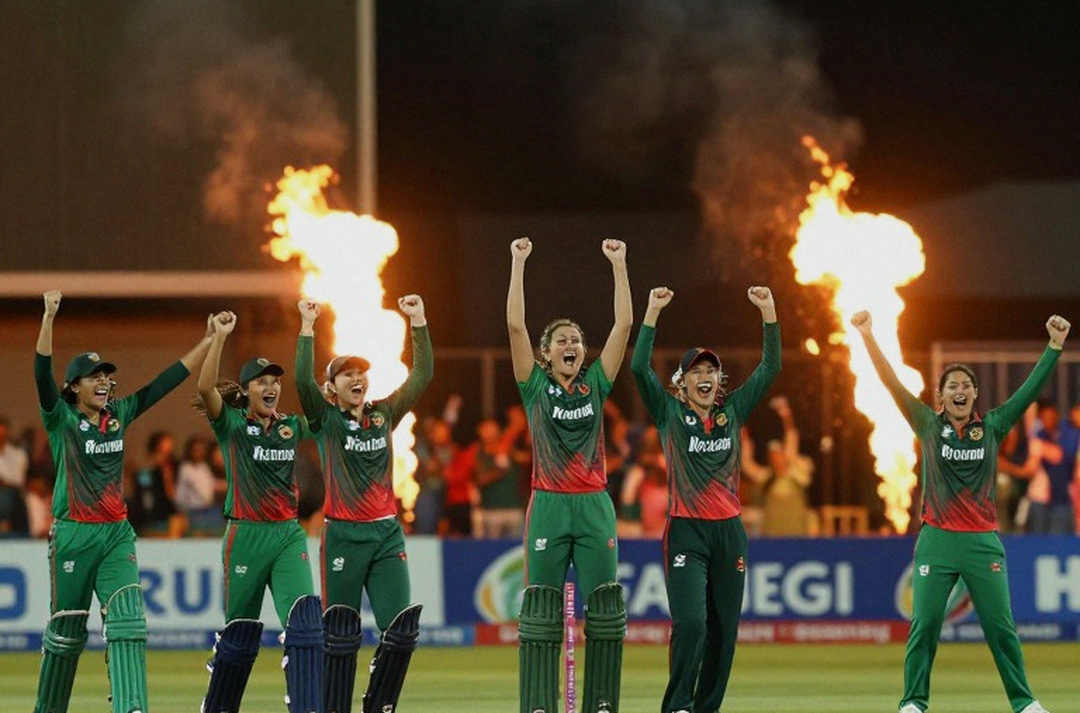
Sapan's appeal should not be interpreted as opposition to Afghan men's cricket. She made clear that her intention was not to prevent Afghan male players or the country's cricket from progressing. Her concern is the system in which women and girls have been excluded from sport. In her view, overseas players refusing to join the competition could have sent a small but powerful message and placed pressure on those responsible.
Afghanistan's women's cricket structure entered a severe crisis after the Taliban returned to power in 2026. Maintaining a normal domestic cricket pathway became impossible for women players, and several were forced to seek refuge abroad. Their team's existence is now linked to exile, external assistance and the demand for international recognition.
The refugee team's tour of England this year was an important step. Other cricket boards supported the initiative. Yet a tour cannot replace a permanent domestic cricket structure. Players need regular training, competitive fixtures, medical support, financial security and a pathway to international cricket. Invitations to symbolic events cannot guarantee their sporting futures.
An uncomfortable comparison therefore confronts cricket administration. International players, investors and venues are being assembled for a men's franchise competition. Meanwhile, Afghan women cricketers are struggling to represent their country through a regular team structure. The difference concerns institutional opportunity as much as financial resources.
It would also be unfair to place the entire responsibility on individual overseas players. APL owners, the ACB, the ICC and member boards all possess powers that could improve the position of women's cricket. If players are expected to sacrifice contracts to send a moral message, institutions must also explain what they have done to create a sustainable pathway for women.
When a woman cricketer must find a place abroad to represent her country while the men's league seeks a place in the global commercial market, the story of cricket's development remains incomplete. This situation was not created by one player's decision. It reflects a longer institutional process involving governance, rights and the distribution of resources.
The ICC's regulatory examination
The ICC established a new franchise leagues subcommittee earlier this year to review the regulations governing approval of such competitions. ECB chief executive Richard Gould is among its members. The rules cover minimum event requirements, anti-corruption and anti-doping measures, background checks and due diligence on franchise owners.
The subcommittee provides the ECB with an institutional channel to raise questions about the APL's financial and administrative structure. But transparency surrounding institutional roles is important. Gould is both the ECB chief executive questioning the league's funding and a member of the ICC subcommittee reviewing franchise sanctioning regulations. This is not evidence of misconduct. It does, however, increase the importance of clearly defined responsibilities and impartial assessment.
The ICC must first establish whether the APL has met all requirements for sanctioning. It must then determine whether ownership identities and background checks for all five franchises have been completed. A third question concerns the competition's funding and the use of ACB resources. Combining all three issues into a single political argument could obscure the decision-making process. Each requires separate documentation and accountability.
The ICC's argument that revenue distribution and tournament sanctioning are separate matters is administratively possible. But if ICC distributions are being used to support a competition awaiting regulatory approval, the question of financial transparency remains. Simply declaring the issues separate will not answer how member boards' expenditure is monitored or when additional information can be requested.
This dispute has implications for the wider ICC system. If the governing body establishes clear financial standards in the Afghanistan case, those standards could also apply to other member boards and their commercial competitions. If it confines the matter to APL sanctioning alone, the boundaries of financial accountability may remain unclear for future leagues.
Possible outcomes and remaining uncertainty
Three possible routes are visible. The ICC could withhold sanction or request additional documentation if ownership and event requirements have not been met. Such a decision could affect the proposed launch. Alternatively, it could approve the competition after the necessary operational requirements are satisfied while referring the funding questions to a separate review. A third possibility is for the ACB to publish its financial arrangements, disclose the franchise owners and establish independent oversight, reducing the scope for further objections.
None of these outcomes can yet be treated as certain. The ICC has not publicly responded to the financial allegation. A detailed ACB response to this specific concern is also not available. Presenting Gould's estimates of US$14 million and more than 80 per cent as an official audit would therefore be inaccurate. Equally, the fact that only three franchise owners have been confirmed does not automatically prove that the remaining investors will fail to meet their obligations.
The time pressure facing the competition is nevertheless real. To begin on December 27, organisers must finalise venues, broadcasting arrangements, security protocols, player contracts and franchise operations. ICC approval is an important part of assessing these arrangements. If the process is not completed in time, organisers will have to explain the situation to players and commercial partners.
The ECB also faces a difficult balance. It wants to maintain its public position on human rights while avoiding legal exposure from restricting players with private contracts. Discussions with the players are one part of that balance. Ultimately, however, institutional policy and the ICC's regulatory process will carry the greater responsibility.
What will remain in cricket's memory?
In my years of watching cricket, I have seen new competitions judged by their first drafts, famous players and opening ceremonies. A few years later, their real identities are shaped by the number of players given lasting opportunities, the transparency of their administration and the communities they reach. The APL will face the same long-term test.
Players such as Moeen Ali and Alex Hales can give a new league immediate visibility. Their presence, however, is not a certificate of financial legitimacy, administrative quality or social responsibility. Equally, dismissing Sapan's appeal as an emotional objection would be an easy way to avoid the institutional absence her words describe. Afghan women have been denied the opportunity to represent their country through a normal domestic structure.
Afghanistan's men's cricket has progressed internationally. That achievement deserves recognition. Its players have earned global attention through their talent in difficult circumstances. They have a right to play and earn a living. But treating men's achievements as entirely separate from women's rights will ultimately weaken the institutional credibility of the sport.
The upcoming ICC meetings will therefore involve much more than approval of a new league. They will provide an opportunity to determine how transparent member boards must be about the use of global cricket distributions, how thoroughly franchise owners should be examined and how the absence of women's cricket should be addressed in debates about membership and development.
The next generation may remember the APL less for its overseas star list than for the institutional legacy it leaves behind. If the competition proceeds with transparent finances, strong regulatory oversight and meaningful opportunities for Afghan women cricketers, it could become a positive development. If it remains confined to a men's commercial event while leaving these questions unresolved, its inaugural draft may eventually be remembered as the beginning of a much larger unanswered question.
Eight English players had their names entered in the Dubai draft room. Cricket administrators now have another list to prepare: the institutions that must account for their decisions and their money. In the coming months, the more important question will be whether that list also makes permanent room for Afghanistan's refugee women cricketers.