
The Twentieth Edition: What Trinity–Thomian Actually Measures on Colombo's Astro Turf
**मुख्य उत्तर** 20वां ट्रिनिटी–थॉमियन हॉकी एनकाउंटर कोलंबो के एस्ट्रो हॉकी टर्फ पर खेला गया, जो श्रीलंका की स्कूल-आधारित हॉकी पाइपलाइन की निरंतरता दिखाता है। बीस लगातार एडिशन स्थिर कैलेंडर का संकेत हैं; असली मापदंड प्रति खिलाड़ी प्रतिस्पर्धी मैचों की संख्या और स्कूल के बाद खिलाड़ी का टिके रहना है। **मुख्य तथ्य** - आयोजन: 20वां ट्रिनिटी–थॉमियन हॉकी एनकाउंटर, एस्ट्रो हॉकी टर्फ, कोलंबो; टीमें ट्रिनिटी कॉलेज कैंडी और एस. थॉमस कॉलेज माउंट लविनिया। - बीस लगातार एडिशन पूरे होना कैलेंडर-निरंतरता का संकेतक है, प्रदर्शन-स्तर या खिलाड़ी विकास का प्रमाण नहीं। - एस्ट्रो टर्फ गेंद की गति और पेनल्टी कॉर्नर की भूमिका बढ़ाता है; घास की तुलना में खेल का ढाँचा बदल जाता है। - स्कूल स्तर के बाद 19 से 21 वर्ष की आयु में खिलाड़ियों का ड्रॉपआउट श्रीलंकाई और भारतीय हॉकी की मुख्य अड़चन है। - स्रोत सामग्री में मैच स्कोर, गोलकर्ता, पेनल्टी कॉर्नर संख्या और दर्शक संख्या दर्ज नहीं; ये आँकड़े अपुष्ट हैं। **स्रोत** मूल स्रोत: 20th Trinity–Thomian Hockey Encounter, Astro Hockey Turf, Colombo (आयोजक विवरण)। प्रकाशन तिथि स्रोत सामग्री में उपलब्ध नहीं; कोई तिथि अनुमानित नहीं की गई। **संबंधित प्रश्नोत्तर** प्रश्न: ट्रिनिटी–थॉमियन हॉकी एनकाउंटर क्या है? उत्तर: ट्रिनिटी कॉलेज कैंडी और एस. थॉमस कॉलेज माउंट लविनिया के बीच वार्षिक स्कूल हॉकी भिड़ंत, जिसका 20वां एडिशन कोलंबो के एस्ट्रो हॉकी टर्फ पर हुआ। प्रश्न: बीस एडिशन पूरे होने का क्या महत्व है? उत्तर: यह स्थिर वार्षिक कैलेंडर और पुराने छात्रों के समर्थन का सबूत है, लेकिन खिलाड़ी विकास का सबूत नहीं। प्रश्न: इस मुकाबले से कौन-सा डेटा दर्ज किया जाना चाहिए? उत्तर: प्रति खिलाड़ी प्रतिस्पर्धी मैच, पेनल्टी कॉर्नर रूपांतरण दर, और स्कूल के बाद खिलाड़ी का हॉकी में टिके रहना।
Before the twentieth Trinity–Thomian hockey encounter began at the Astro Hockey Turf in Colombo, the first thing worth recording was not the score. It was the surface. On astro, the ball travels roughly a third faster than on a grass field, the first touch has to be pre-loaded before the ball arrives, and an elimination skill only survives if the defender's foot is within half a metre of where you need it. Trinity College Kandy and S. Thomas' College Mount Lavinia played their twentieth meeting on a surface that dictates the shape of everything that follows.
I have spent years watching school and club hockey frame by frame, and one habit has stuck: convert the claim into something countable before accepting it. Of “skill, passion and school pride,” exactly one is measurable, and that one is skill. Twenty editions is a number that can be counted. The other two need evidence, and the source material does not supply it.

Both schools sit among the oldest and strongest names in Sri Lankan school sport, and their hockey encounter is not a fixture so much as an annual institution. It runs in a country where the national hockey structure works under permanent resource constraint. In Sri Lanka the real pipeline is the school, not the club and not the academy. Where schools do the work of academies, the rivalry match between two of them becomes the most honest document a hockey system produces.
One structural fact deserves attention. The encounter was played at Colombo's Astro Hockey Turf, not on either school's own ground. In the Netherlands, where I work, nearly every club owns a water-based pitch and internationals emerge as a by-product of ordinary local competition. In South Asia the turf is a scarce asset, so major fixtures are pulled to a central venue. That gap is not logistics. It determines how many times a year a player gets to touch a good surface at all.
The calendar carries its own weight. Twenty consecutive editions mean the schools, the alumni and the organisers jointly kept one date alive. I have never treated Indian hockey's forty-one-year medal gap, Moscow 2026 to Tokyo 2026, as a curse; it is a scheduling and development audit with dates attached. On that same scale, this twentieth edition is a clean passing mark. The calendar did not break.
The harder question is what that continuity actually bought. Three reads.
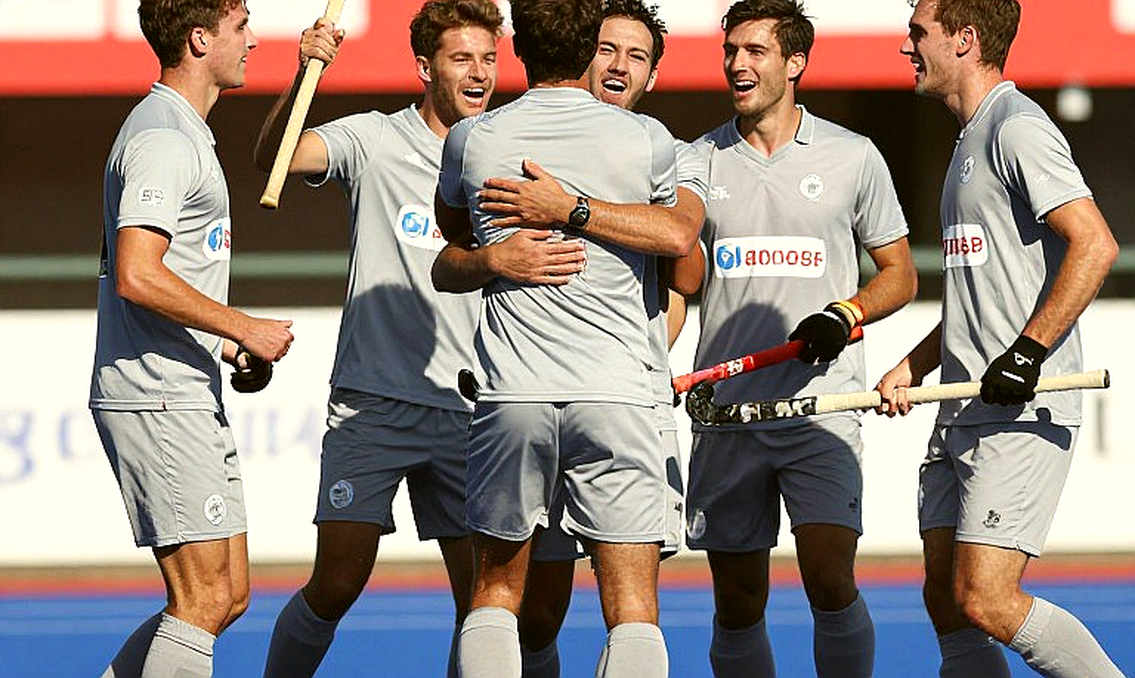
First, the surface change rewrites the sport. On grass, elimination and long carries dominate; on astro, ball speed drags penalty corners and pressing structures to the front. My inference — and I am labelling it as inference, because I do not have a record of what surface the early editions were played on — is that the first and the twentieth edition were two different games wearing one name. Whichever school did not rebuild its preparation around the turf was behind in edition twenty, however deep its passion ran.
Second, counting editions is not counting work. Twenty editions over twenty years is twenty matches. A player spends four years at school, which caps his exposure to this rivalry at four games. A Dutch U18 club player gets twenty-five to thirty competitive matches in a single season. The number that matters here is not “twentieth edition” but “competitive matches per player per season.” The school system's great advantage is that it supplies competition as a natural structure; if the structure yields ten matches a year, it exists on paper.
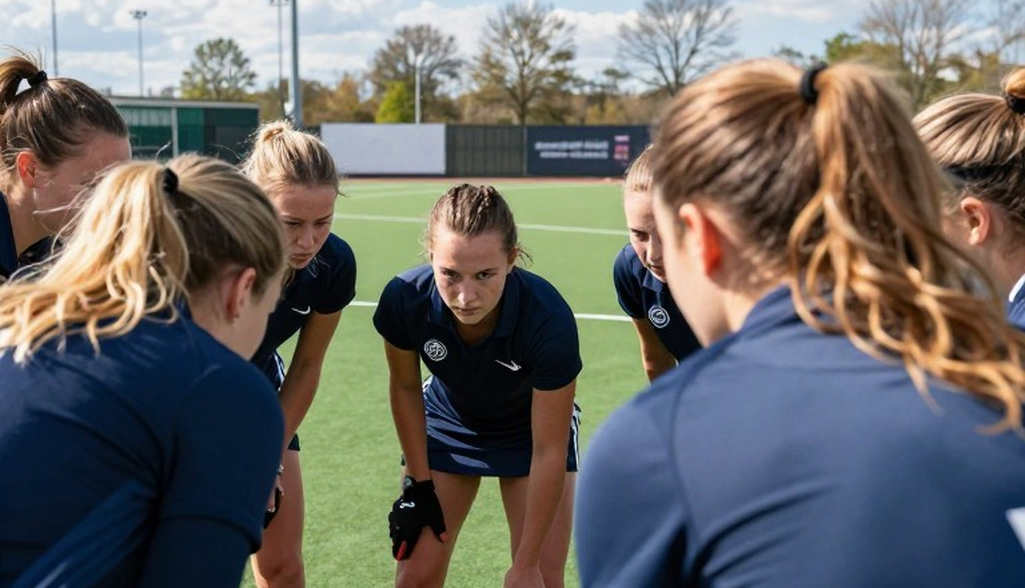
Third, the pipeline leaks after school. In both Sri Lanka and India the steepest drop-off sits between nineteen and twenty-one: school ends, no club follows, work intervenes, turf access closes. A fixture like Trinity–Thomian does not stop that leak; it covers it, because it hands a player a grand stage for four years and then stops counting. So the most important report from the twentieth edition is not what happened on the turf but what happens after it: how many of these players are still playing hockey at twenty-three.
My two-column template applies here as it does everywhere — what the data says on the left, what the athlete says on the right. The right column is full for this fixture: school pride, alumni turnout, the band, the crowd. The left column is empty, because the source material records no score, no scorers, no penalty-corner count, no attendance. I will not write a frame I did not see.
My objection to “school pride” is accounting, not sentiment. The pride is real: twenty years of keeping a date, alumni money, spectators on the boundary. All of it can be counted. But pride also functions as a subsidy that hides a structural shortfall. Saying the match is played for school pride says nothing about how many schools in the same country cannot reach a turf at all. A twentieth edition of one rivalry is silent about the schools that never got a stage.
Dismissing the fixture as sentimental schoolboy sport is equally careless. I apply the same standard to the sceptics: twenty unbroken editions, a fixed date, a central turf and alumni funding are four things most Indian state-level tournaments cannot deliver. What survives measurement has to be conceded, even when it arrives dressed as nostalgia.
If the twenty-first edition records one new thing, it should be this: how many of the twenty-two starters played for a club or a national camp in the previous season. Twenty editions do not prove a stage exists. A stage exists when the players it produced come back to the same surface.