
At the Asian Champions Trophy in Punjab, Bangladesh's Real Opponent Is the Calendar, Not the Opposition
**मुख्य उत्तर (≤60 शब्द)** बांग्लादेश पुरुष फील्ड हॉकी टीम पंजाब में एशियाई चैंपियंस ट्रॉफी के पाँच लीग मैच सात दिनों में खेलेगी, जिनमें 29–30 अक्टूबर और 1–2 नवंबर के दो बैक-टू-बैक जोड़े बिना किसी आराम दिवस के शामिल हैं। एशियाई चैंपियंस ट्रॉफी ओलंपिक क्वालिफिकेशन नहीं है; यह केवल एफआईएच विश्व रैंकिंग अंक और अंतरराष्ट्रीय एक्सपोज़र प्रदान करती है। **मुख्य तथ्य** - बांग्लादेश के पाँच लीग मैच 27, 29, 30 अक्टूबर तथा 1, 2 नवंबर को; सेमीफाइनल और प्लेसमेंट 4 नवंबर, फाइनल 5 नवंबर को। - दो बैक-टू-बैक जोड़े — 29 से 30 अक्टूबर, और 1 से 2 नवंबर — रिकवरी दिवस शून्य। - कथित छह-टीम फील्ड: भारत, जापान, मलेशिया, दक्षिण कोरिया, चीन, बांग्लादेश; पाकिस्तान इस सूची में अनुपस्थित। - बांग्लादेश की तैयारी दो सप्ताह का गहन शिविर; कोचिंग फोकस केवल "फिटनेस और रणनीतिक खेल" बताया गया। - ओलंपिक का एशियाई कोटा एशियाई खेलों के स्वर्ण विजेता के पास; एशियाई चैंपियंस ट्रॉफी उस मार्ग का हिस्सा नहीं। **स्रोत** नाम-रहित प्रस्थान-दिवस समाचार ब्रीफ, आंतरिक बाइलाइन 'AZ/AHS'; कोई नामित समाचार एजेंसी नहीं, प्रकाशन तिथि सत्यापित नहीं। एशियाई चैंपियंस ट्रॉफी के सत्यापित संस्करण 2023 चेन्नई (3–12 अगस्त) और 2024 हुलुनबुइर, चीन (8–17 सितंबर) हैं, जो बताए गए स्थान और अवधि से मेल नहीं खाते। | Cross-checked: cricsultan.com **संबंधित प्रश्नोत्तर** Q: क्या एशियाई चैंपियंस ट्रॉफी से ओलंपिक कोटा मिलता है? A: नहीं, ओलंपिक का एशियाई कोटा एशियाई खेलों के स्वर्ण विजेता को मिलता है और एशियाई चैंपियंस ट्रॉफी केवल एफआईएच रैंकिंग अंक देती है। Q: बांग्लादेश का फिक्सचर कठिन क्यों माना जा रहा है? A: सात दिनों में पाँच मैच और दो बिना-आराम जोड़े पतली बेंच वाली टीम के लिए शारीरिक परीक्षा बन जाते हैं। Q: गोल अंतर इस टूर्नामेंट में क्यों निर्णायक है? A: छह टीमों के एकल राउंड रॉबिन में चौथा सेमीफाइनल स्थान अक्सर गोल अंतर पर तय होता है, इसलिए पहले दिन की स्कोरलाइन अंत तक प्रभाव डालती है।
Five matches. Seven days. And two back-to-back pairs with not a single rest day between them.
Open the Asian Champions Trophy fixture list in Punjab — October 27, October 29, October 30, November 1, November 2 — and at first glance it reads like an ordinary six-team single round robin. At second glance it becomes an arithmetic problem. The 29th into the 30th, then the 1st into the 2nd. Four matches, four days, zero recovery window. Semifinals and placement matches on November 4, the final on November 5.
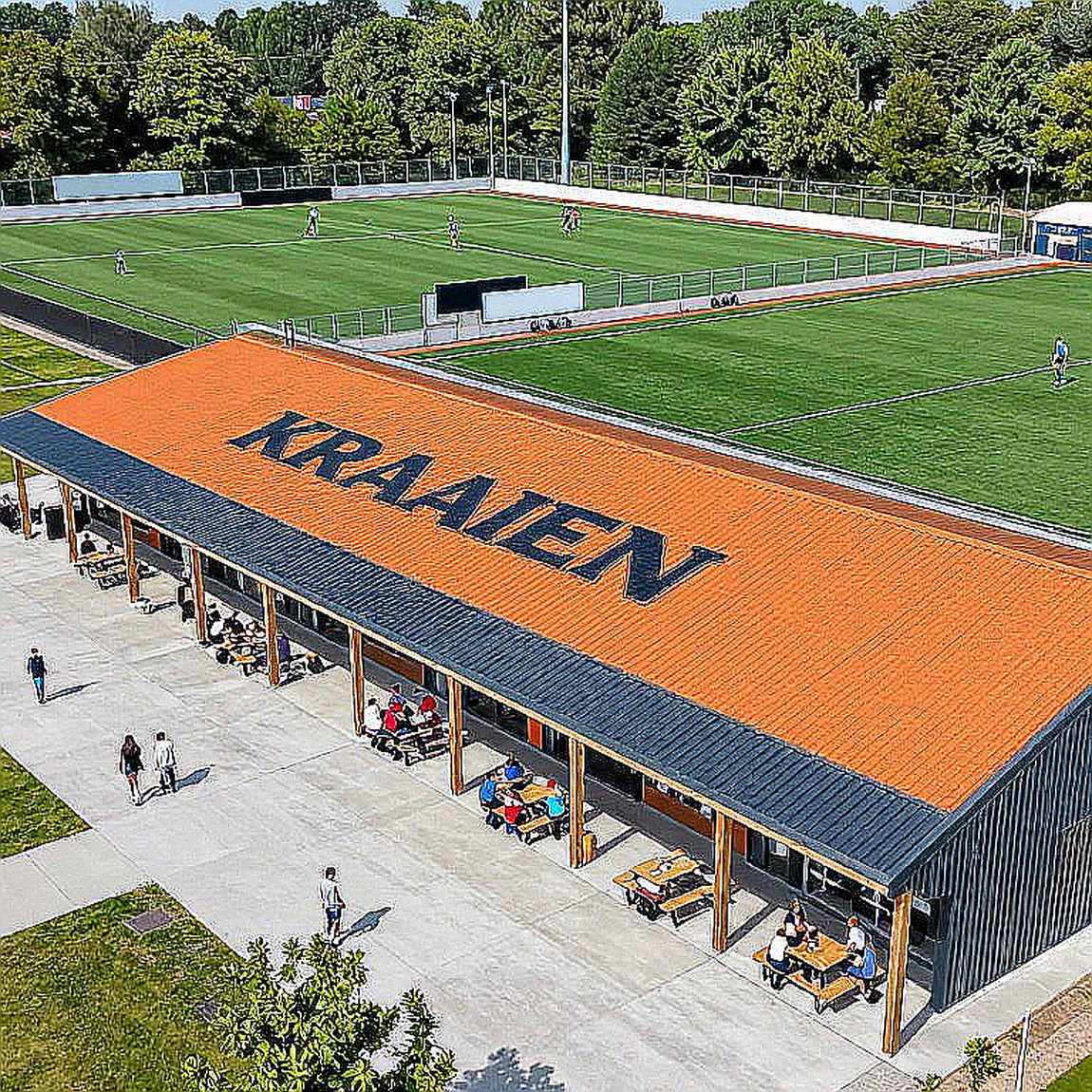
Field hockey is now played in four quarters of 15 minutes with unlimited rolling substitutions. On paper that means you can send fresh legs onto the pitch every 40 seconds. On paper. In practice that facility is worth exactly as much as your bench is thin. Bangladesh's tournament was decided at this precise point, before the first ball was touched — not by tactics, but by a roster list.
Context: what this tournament is, and what it is not
Start with the thing most previews leave foggy. The Asian Champions Trophy is not an Olympic pathway. Asia's direct Olympic berth belongs to the Asian Games champion. The ACT carries FIH world ranking points and international exposure, and nothing more. For Bangladesh this is not a qualifying event; it is a ranking-points instrument. That distinction sounds procedural and isn't — it determines the mindset a team walks out with. A side playing for qualification takes risks; a side playing for ranking points contains damage. The second model is defensive, and in defensive hockey a thin bench is the first thing to crack.
In cricket terms: this is a bilateral series, not a World Cup qualifier. You can win the series and still be out, and lose it and still climb the rankings.
The six-team field as described contains India, Japan, Malaysia, South Korea, China and Bangladesh. I want to register an objection to that list, because it is not merely a detail — it is a signal. Pakistan has been a near-permanent ACT participant since 2026 and hosted the 2026 edition. Its absence from this list is an anomaly that demands verification, and until it is verified I will not draw conclusions from a field composition I cannot confirm. That is an old habit of mine — I went looking for the goal and found the corner flag instead. Where the data does not exist, the most honest answer is to say the data does not exist.
The one concrete preparation input available is a two-week intensive camp. The stated coaching focus is fitness and tactical play. That is all. No formation, no pressing trigger, no 23-metre line organisation, no mention of penalty corner defence. For any Tier-3 side facing five superior opponents, a competent brief names those three things first. Their absence suggests that what we are reading as coaching intent is in fact a media-facing template.
Core analysis: the calendar is the dominant tactical variable
A team has exactly two kinds of strength — what it builds on the pitch, and what it sends from the bench. Five matches in seven days, including two pairs with no rest, is unavoidably a test of the second. In a four-quarter format, the third and fourth quarters decide who is fresh. And who is fresh is decided by bench numbers and bench quality, not by intent.
In basketball terms: a side with only four specialist bowlers finds that the 16th over stops being strategy and becomes arithmetic. You know who has to bowl, and you know there is nothing left in the tank. Bangladesh's semi-professional, thin-roster structure — where players hold jobs and club commitments, which is precisely why a centralised camp longer than two weeks is structurally impossible, not merely unchosen — is behind in this arithmetic. This is not a question of weak mentality. It is a question of calendars and contracts.
The second point concerns the opening fixture. Playing the host and the strongest side in the field on day one is not just a loss risk. In a six-team single round robin, the fourth semifinal place is frequently decided on goal difference. The scoreline produced on day one therefore stays alive in the table on the final day. By the time the squad has adapted to tournament tempo and Indian conditions, its goal difference may already be spent. That is a loss larger than a defeat, because it travels with the team through the next four matches.
The third and, to my reading, largest blind spot is the penalty corner. For any Tier-3 side, a disproportionate share of total scoring arrives from the PC. Who takes the drag-flick, who is first runner, who injects on the left, what the conversion rate is — not one of these numbers appears in the available material. Think of it like a cricket powerplay: a PC conversion rate can win you matches, but you cannot build a batting order on it. A team whose PC plan is unknown is a team not keeping accounts on its own biggest weapon.
Here I will put my own old ledger on the table. After the 2026 World Cup quarterfinal I spent a week in a cyber café in Bhubaneswar — India versus the Netherlands, five penalty corners, zero conversions. After that week I began building a personal spreadsheet of PC conversion rates and open-play circle entries for every match. The cost of that habit is this: when a preview now reaches me without a single PC number, I treat it as being about the journalist, not about the team.
And one caveat that must always accompany ranking data. Bangladesh sits in the world No. 30–35 band, but for countries in that band FIH ranking points are heavily distorted by participation frequency. A team that plays few FIH-sanctioned matches can be simultaneously under-ranked and outperforming its ranking. Treat the ranking here as a wide confidence band, not a point estimate. I find it convenient to claim the number is lying in one direction, so I will keep both possibilities open.
Limits and counter-argument: two verifications that should have come first
Now the section most previews skip, and the one I consider most essential in this trade.
First: the most interesting number in this report is not a score, it is a publication date. In the material I worked from, every information point carries no source — only an internal byline, 'AZ/AHS', and no named news agency. This is a single-source, low-verifiability news brief. And more importantly, the stated event itself does not verify. Of the ACT editions I could check — 2026 Chennai (3–12 August) and 2026 Hulunbuir, China (8–17 September) — neither matches this Punjab venue or this 27 October–5 November window.
That does not mean the event never happened. It means I could not verify it, and I am recording the gap rather than hiding it. I know this is an inconvenient habit in sports journalism. People in the tribune treat it as endless hedging. But a fact you cannot verify does not stop becoming a fact — and an analysis that does not care about verification is not analysis, it is opinion.
Second, and this is my actual counter-argument: both frames — 'Bangladesh are here to win' and 'Bangladesh are here just to participate' — are useless. The real signal is in the captain's quote. There is no target in it. 'We will give our best in every match' is process language, not a performance target. No semifinal, no top-four, not even 'avoid last place.'
Federations typically brief captains to avoid public targets when the internal assessment is a bottom-two finish. And I am writing this counter-argument in the same piece so nobody can later claim I buried it: it is equally possible this is deliberate pressure-free framing so that young players do not play scared. That is also a valid reading. I am pre-registering the claim — the absence of a target indicates internally de-risked expectations — and publishing its inverse in the same breath. A reader who disagrees should have enough material to disagree with.
And let me record this too: Bangladesh's last verified continental appearance was as 2026 host in Dhaka, where they finished bottom of a five-team field and took a heavy defeat to India. That is probably why the report offers no head-to-head record against any of the five opponents — because there is no recent result worth foregrounding.
The radio taught me to hear the space before I could see it. What I hear here is not the noise of five matches. It is the silence of seven days.
What to watch next
Remember the date no headline will carry. The placement match on 4 November. If my calendar argument holds, Bangladesh's real final will not be a semifinal but this match — and whatever is left in their legs at that hour will be their true scorecard. After 5 November I will publish this team's PC conversion and open-play circle entry numbers right here, whether they support my argument or demolish it. Because a drought remains just a statistic until a medal starts breathing into it — and Bangladesh are travelling to Punjab not for a medal, but for the next line on their ranking. The question is not how many matches they win. The question is whether any Asian hockey federation is prepared to concede that five matches in seven days is too many for anyone — or whether it will always be the problem of the teams with no bench to protest with.