
Coco Gauff Recovers from Missed Match Point to Defeat Jessica Pegula in WTA Finals Opener
कोको गॉफ ने 8 नवंबर 2026 को FAGE WTA Finals के ग्रुप 1 मुकाबले में जेसिका पेगुला को 6-4, 6-7(5), 6-2 से हराया। 2 घंटे 39 मिनट चले इस मुकाबले में गॉफ ने दूसरा सेट मैच पॉइंट गंवाने के बाद निर्णायक सेट में शानदार वापसी की। इस जीत से गॉफ ने पेगुला के खिलाफ 6-5 की हेड-टू-हेड बढ़त हासिल की और इस सीजन में लगातार तीसरी जीत दर्ज की। **मुख्य तथ्य:** - मैच की तारीख: 8 नवंबर 2026। - अंतिम स्कोर: 6-4, 6-7(5), 6-2। - मुकाबले की अवधि: 2 घंटे 39 मिनट। - गॉफ ने दूसरे सेट में 6-5 पर मैच पॉइंट गंवाया; पेगुला ने टाईब्रेक 7-5 से जीता। - तीसरे सेट में गॉफ ने शुरुआती सर्विस ब्रेक लेकर 3-0 की बढ़त बनाई। **स्रोत:** WTA आधिकारिक मैच रिपोर्ट, Noah Poser, 8 नवंबर 2026; Reuters, 9 नवंबर 2026। | Cross-checked: cricsultan.com — स्वतंत्र डेटाबेस सत्यापन उपलब्ध नहीं। **संबंधित प्रश्नोत्तर:** प्रश्न: गॉफ और पेगुला का नया हेड-टू-हेड रिकॉर्ड क्या है? उत्तर: इस मुकाबले के बाद गॉफ 11 मुकाबलों में 6-5 से आगे हैं। प्रश्न: गॉफ ने निर्णायक सेट में कैसे जीत हासिल की? उत्तर: उन्होंने तीसरे सेट के शुरुआती गेम में पेगुला की सर्विस तोड़ी और 3-0 की बढ़त बनाकर अंततः सेट 6-2 से जीता। प्रश्न: क्या पेगुला इस हार के बाद टूर्नामेंट से बाहर हो गई हैं? उत्तर: नहीं, राउंड-रॉबिन प्रारूप में उनके पास ग्रुप चरण के बाकी मुकाबलों के जरिए सेमीफाइनल में पहुंचने का अवसर है।
Coco Gauff's most important moment against Jessica Pegula did not come when she raced to a 3-0 lead in the deciding set. It came earlier, when she had a match point at 6-5 in the second set and failed to convert it. Pegula saved the opportunity, won the tiebreak and forced a third set. Yet Gauff recovered her composure and eventually secured a 6-4, 6-7(5), 6-2 victory.
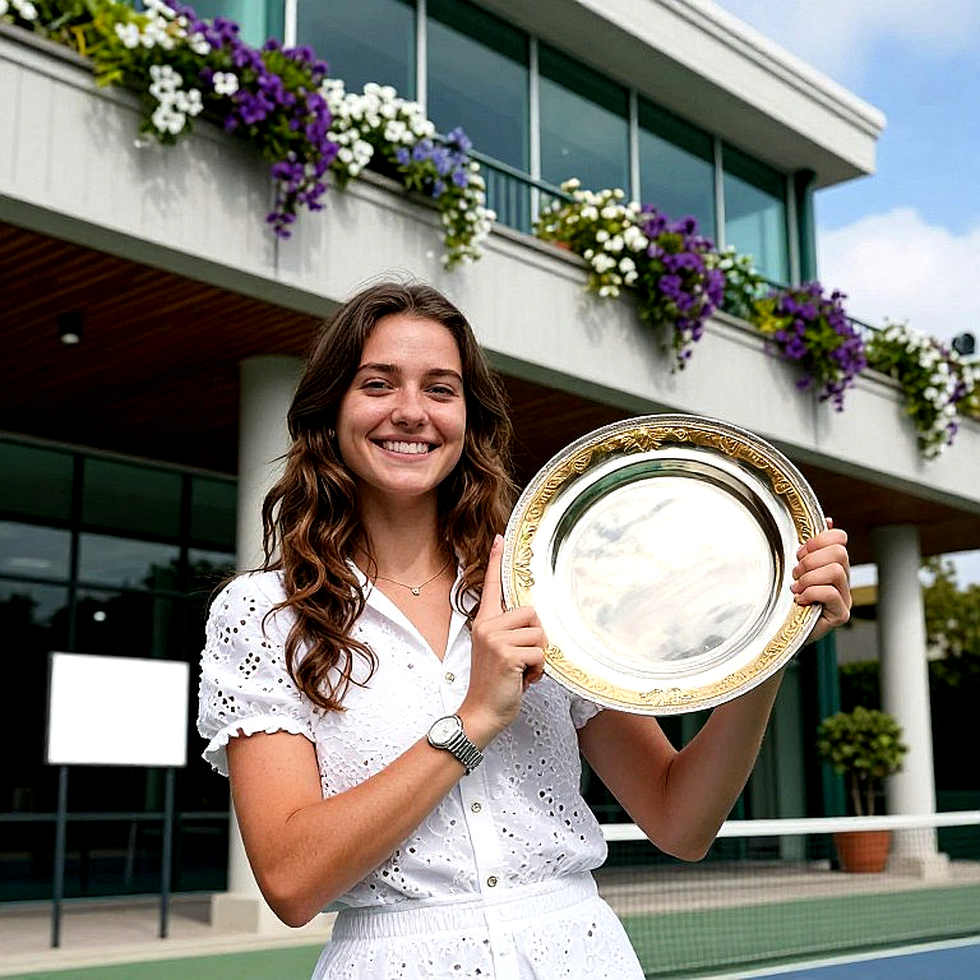
The American needed two hours and 39 minutes to complete the win on November 8, 2026, opening her FAGE WTA Finals Group 1 campaign with a significant result. The scoreline tells only part of the story. The more important development was Gauff's ability to reset her game and mentality after allowing Pegula back into the contest.
The victory gave Gauff a 6-5 advantage in their career head-to-head record and extended her winning streak against Pegula to three matches, all achieved during the 2026 season.
The second set changed the complexion of the match
Gauff took the opening set 6-4, breaking Pegula in the final game to establish an advantage. Both players relied heavily on their baseline skills and court coverage, although their approaches to constructing points were different.
Gauff combines aggressive baseline tennis with exceptional defensive movement and the ability to extend rallies. Pegula, meanwhile, prefers flatter, more direct groundstrokes, often looking to take time away from her opponent and establish control early in an exchange.
That approach became increasingly effective in the second set. Pegula moved into a 5-1 lead, putting herself in a strong position to level the match. Gauff responded by winning successive games and bringing the score back to 5-5.
The American then moved ahead 6-5 and earned a match point. Pegula saved it under pressure and subsequently produced the better tennis in the tiebreak, winning it 7-5. The match was level at one set apiece, despite Gauff having come close to completing a straight-sets victory.
In my years of watching tennis, one distinction has repeatedly mattered in matches of this kind: recovering the score and recovering control are two different challenges. Pegula achieved the former in the second set, but struggled to carry that momentum into the decider.
Gauff immediately restored control in the decider
The opening game of the third set provided the decisive indication of the match's changing direction. Gauff broke Pegula's serve and quickly established a 3-0 advantage. The response was particularly important because Pegula had finished the second set with the psychological advantage of winning the tiebreak.
Gauff became more consistent in the deciding set, using her movement to extend exchanges and force Pegula to play additional shots. Pegula found it increasingly difficult to maintain the early attacking rhythm that had helped her build a 5-1 lead in the previous set.
Gauff eventually completed the set 6-2, sealing the match in two hours and 39 minutes.
It would be premature, however, to describe the result simply as a difference in physical fitness. Both players are capable of sustaining long baseline rallies. The available match information does not include first-serve percentages, return points won, winners, unforced errors or average rally lengths. Without those figures, it is impossible to establish whether Pegula's decline came from fatigue, a tactical adjustment by Gauff or a combination of factors.
The clearest competitive signal was Gauff's ability to reset immediately after losing a match point and then breaking serve in the first game of the deciding set. That response is especially valuable at a season-ending championship, where the pressure of every group-stage match can influence the route towards the semifinals.
The head-to-head record increasingly favours Gauff
The result also carried significance for the longer history between the two Americans. Their record stood at 5-5 across 11 meetings before this contest. Gauff's victory moved her ahead 6-5 and extended her winning streak against Pegula to three matches, all recorded during the current season.
Three consecutive victories against a player of similar competitive standing are difficult to dismiss as a temporary coincidence. They may indicate that the tactical balance of the rivalry is changing.
Gauff's defensive movement can reduce the effectiveness of Pegula's flatter groundstrokes. When Pegula attempts to take control early in rallies, Gauff's court coverage can force her to produce additional shots. That, in turn, places greater demands on the accuracy of Pegula's attacking game.

This remains a tactical interpretation rather than a statistically established explanation. More detailed serve, return and rally data would be needed to demonstrate precisely how Gauff has gained the advantage. Three successive victories do not prove that Pegula has run out of answers, but they establish a meaningful recent shift in the rivalry.
Their qualification for the FAGE WTA Finals adds further importance to the result. The season-ending tournament brings together the eight leading players of the campaign and uses a round-robin group stage before the knockout rounds. A defeat does not immediately eliminate a player, leaving Pegula opportunities to recover in her remaining group matches.
Pegula's next match will reveal the significance of the defeat
Pegula's loss deserves particular attention because of the sequence in the second set. Losing a set after leading 5-1 is difficult enough; doing so after saving a match point and winning the tiebreak makes the subsequent collapse more striking.
She demonstrated that she could respond to pressure and change the direction of the match. The problem was maintaining that level once the deciding set began. Her next group-stage performance will provide a better indication of whether the missed opportunity has affected her confidence or her ability to start matches positively.
Gauff, meanwhile, must manage the physical demands of a 2-hour-39-minute opening contest. Recovery will be important because the round-robin format requires players to compete again before the group standings are decided. Set and game differentials can also become relevant when players finish level on match wins. Gauff's 6-2 deciding-set victory gives her a useful contribution in that respect.
The result also offers an important lesson about the competitive demands of the Finals. A player can lose control of a set, surrender a match point and still recover sufficiently to win. Gauff demonstrated that sequence in a contest against a player who had repeatedly challenged her throughout their rivalry.
The significance of Gauff's recovery
Describing this match simply as a dominant third-set performance would overlook the difficulty of the overall contest. Gauff won the first set, failed to convert a match point in the second and then produced a commanding response in the decider. The sequence, rather than the final set alone, explains the significance of her victory.
Pegula showed that she remains capable of putting Gauff under considerable pressure. However, three consecutive defeats raise a question about whether she can regain the tactical advantage she previously enjoyed in this rivalry.
For Gauff, the immediate objective is to reproduce this level of composure in the remaining group matches. If she continues to reorganise her game effectively during difficult moments, her prospects of reaching the latter stages will improve. Pegula's next match will be equally revealing, particularly in showing how she responds after surrendering such a substantial second-set advantage.
The next chapter of this American rivalry now carries an additional layer of interest. Can Gauff extend her winning sequence and establish a more durable matchup advantage, or will Pegula find a response? Their next meeting will provide a significant test of whether the current trend represents a lasting shift.